Glossary
Canvassing Glossary: Block Walking, Lit Drops and More
Canvassing has its own vocabulary, and the same idea often goes by several names. This glossary gives plain definitions of the terms used by campaigns, nonprofits and door-to-door sales teams, from block walking and lit drops to contact rate and turf.
Each entry links to a longer guide or article where one exists. Some terms mean slightly different things in different organizations, and where that is the case, the definition says so. For the full picture of how the work is done, start with the canvassing guides.
Terms by letter
B · C · D · F · G · I · K · L · M · N · P · R · S · T · U · V · W · Common questions

B
Block walking
Another name for door-to-door canvassing: walking a neighborhood block by block and knocking on the doors on a walk list. Campaigns often call a canvassing event a block walk. The work is the same as any canvass, with a list, a script and a result recorded at each door. See the complete guide to door-to-door canvassing.
C
Canvass
To go through an area contacting people in person, usually door to door, to share information or ask for something: a vote, a signature, a donation or a sale. The word also names a single outing, as in "the Saturday canvass." What is canvassing? explains the political and advocacy kinds.
Canvasser
The person who goes door to door. Canvassers may be volunteers, paid staff or sales reps. Sales teams usually call them reps.
Come back later
A door result meaning the person asked the canvasser to return at another time. These doors deserve a planned second visit, ideally at the time the person suggested.
Contact
Depending on the program, either a person on your list or a conversation with someone at the door. In contact rate, it means a conversation.
Contact rate
The share of door attempts that led to a conversation, calculated as conversations divided by doors attempted. A canvasser who knocks on 100 doors and talks with someone at 25 of them has a contact rate of 25 percent. That example shows the arithmetic, not a benchmark: contact rates vary with the time of day, the season and the area. In Beacon, the leaderboard shows each canvasser's contact rate as the share of their recorded results marked Contacted. See canvassing analytics and reporting.
Cooling-Off Rule
A Federal Trade Commission rule, at 16 CFR Part 429, that generally gives buyers until midnight of the third business day to cancel sales of $25 or more made at their home, and requires the seller to explain that right. See the FTC Cooling-Off Rule for door-to-door sales.
D
Deep canvassing
A longer, listening-first conversation at the door, in which the canvasser asks open questions, shares a short story and invites the person to connect an issue to their own experience, usually with the same rating question at the start and the end. See deep canvassing, with a sample script.
Disposition
The result recorded for a door, also called a door result, such as contacted, not home, refused or come back later. Recording the same set of results at every door is what makes it possible to plan the next pass. Beacon has eight: contacted, not home, refused, moved, deceased, inaccessible, come back later and left literature.
Do-not-knock list
A list of addresses that have asked not to be visited. Some towns keep official registries, and every program should also keep its own list of residents who asked not to be contacted again. See the canvassing compliance guide.
Door hanger
A printed card shaped to hang on a door handle, usually left when nobody answers. It carries a short message, a next step and often space for a handwritten note. See door hanger templates.
Doors per hour
The number of doors a canvasser attempts in an hour. It depends heavily on the territory: closely spaced houses allow more doors than rural roads or apartment buildings, so compare doors per hour only between similar territories.
F
Field director
The person who runs a canvassing program for a campaign or organization, including recruiting, cutting turf, scheduling shifts and reviewing results.
G
GOTV (get out the vote)
The final phase of a campaign, when the goal shifts from persuading voters to making sure supporters actually vote, through reminders and door knocks. See GOTV ground game strategies.
I
ID canvass
A canvass meant to identify where each voter stands, usually on a short scale, so the campaign knows whom to persuade and whom to remind to vote. The recorded answer is called a voter ID.
Inaccessible
A door result meaning the canvasser could not reach the door, for example because of a locked building, a gate or a dangerous dog.
K
Knock
One attempt at a door, whether or not anyone answers. Programs count knocks, also called attempts, separately from conversations.
L
Launch
The meeting at the start of a canvassing shift, held at a staging location, where canvassers get their walk lists, a short training and the script, and where they return at the end of the shift.
Left literature
A door result meaning nobody talked with the canvasser and printed material, such as a door hanger or flyer, was left at the door.
Lit drop or literature drop
Leaving printed material, such as a flyer, door hanger or palm card, at each door on a route, often without knocking or waiting to talk. A lit drop covers more doors in a shift than a conversation canvass and is common for announcements and reminders. Printed material belongs on the door, never in a mailbox. In Beacon, a campaign can be set up as a literature drop, and canvassers record Left Literature at each door.
M
Multi-pass canvassing
Knocking on the same doors more than once, on different days or at different times, to reach people who were not home the first time. The not-home and come-back-later results from one pass become the walk list for the next.
N
No Soliciting sign
A sign asking salespeople and others not to knock. Whether it legally covers political or religious canvassers depends on local law, and many programs honor every sign. See is door-to-door canvassing illegal.
Not home
A door result meaning nobody answered. Not-home doors are the main reason programs plan a second pass.
P
Palm card
A small printed card, about the size of a hand, that a canvasser gives to the person at the door or leaves behind. It usually carries a short message and a way to learn more.
Persuasion canvass
A canvass aimed at changing or firming up people's views, usually focused on people who are undecided. Deep canvassing is one form of persuasion canvassing.
Precinct
The smallest area used to run elections, with its own polling place. Campaigns often build turf from precincts so that canvassing results can be compared with the vote totals afterward.
R
Refused
A door result meaning the person declined to talk. Many programs leave refused doors off later passes.
S
Sales canvassing
Contacting potential customers in person without an appointment, usually by going door to door through an assigned territory. See what canvassing means in sales.
Script
The words a canvasser uses at the door: an opener, the main message, questions and a close. A good script is a guide for a conversation rather than a speech. See what to say when canvassing.
Survey question
A question the canvasser asks and records at the door, such as a rating of support or interest in a yard sign. In Beacon, survey answers are saved with the door result.
T
Take rate
In internet and other subscription sales, the share of homes that can get the service that sign up for it. Fiber sales teams compare take rates by street to decide where a second pass is worthwhile. See door-to-door fiber sales.
Turf
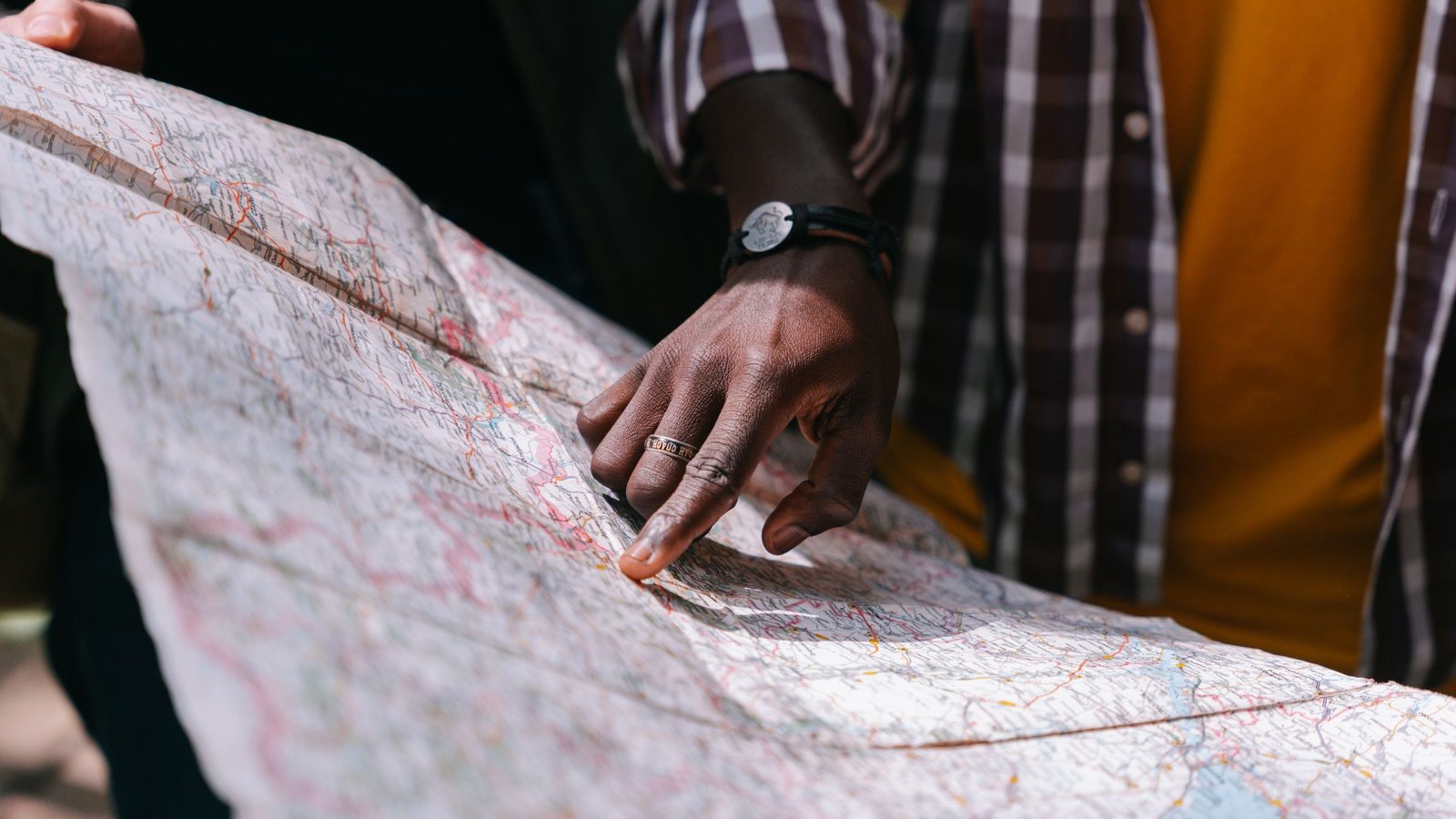
The area assigned to a canvasser or a team for a shift, usually a set of streets drawn on a map. Sales teams usually call it a territory.
Turf cutting
Dividing a universe into turfs that a canvasser can finish in a shift. See turf cutting, step by step.
U
Universe
The full set of people or addresses a program plans to contact, chosen from a voter file, a customer list or another source.
V
Voter file
The list of registered voters kept by election officials, which campaigns use to build their universe. Depending on the state, it can include whether each person voted in past elections.
Voter ID
In canvassing, a recorded note of which way a voter leans, usually on a short scale, collected during an ID or persuasion canvass. In this sense it does not mean an identification document.
W
Walk list
The list of addresses a canvasser is assigned to visit on a shift, in the order they will walk them. In Beacon, walk lists are ordered by street, with extra weight for priority contacts. See how walk lists are ordered.
Walk sheet
The paper version of a walk list, often with a map and a script, that canvassers carry on a clipboard. A set of walk sheets for one turf is called a walk packet. See paper walk sheets versus a canvassing app.
Common questions
What is block walking?
Block walking is another name for door-to-door canvassing: walking a neighborhood block by block and knocking on the doors on a list to talk with residents, usually for a political campaign or a cause.
What is a lit drop?
A lit drop, or literature drop, means leaving printed material such as a flyer at each door on a route, often without knocking. It covers more doors in a shift than a conversation canvass. Printed material should never be placed in a mailbox.
What is the difference between a lit drop and a door hanger?
A door hanger is one kind of printed piece, shaped to hang on a door handle. A lit drop is the activity of leaving printed material at every door on a route, which may use door hangers, flyers or palm cards.
How is contact rate calculated?
Divide the number of conversations by the number of doors attempted. For example, 25 conversations from 100 doors is a contact rate of 25 percent. The example shows the arithmetic, not a benchmark.
Where to go next
The work behind these terms is covered in full in the complete guide to door-to-door canvassing, the political canvassing and GOTV guide and the door-to-door sales guide. Turf, routes and measurement are covered in the canvassing operations guide.
Beacon is canvassing software for campaigns, nonprofits and sales teams. See canvassing software by program type for how each kind of program uses it.