What Is Canvassing in Sales? Sales Canvassing Basics
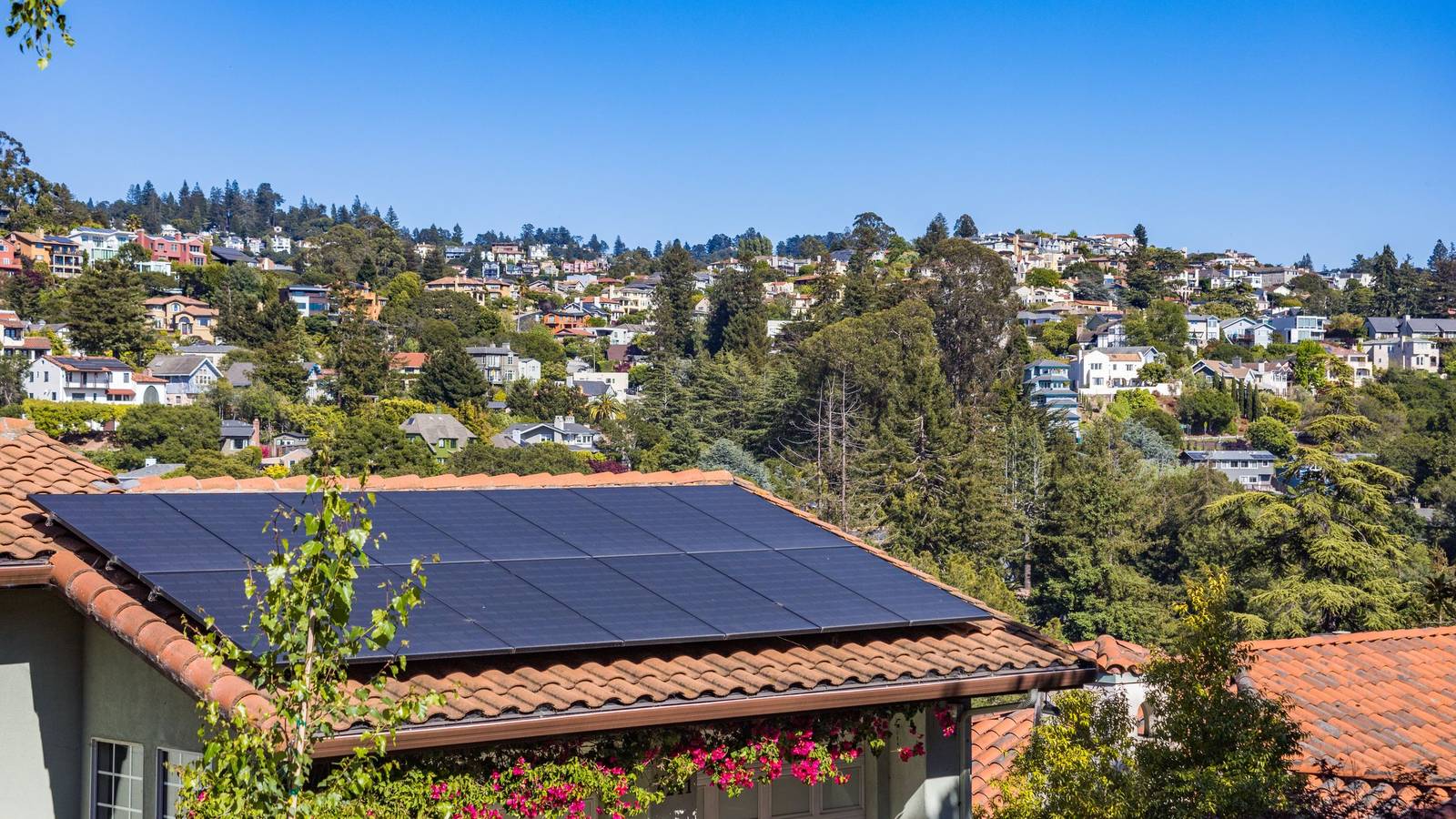
In sales, canvassing means contacting potential customers in person, without an appointment, usually by going from door to door in a chosen area. A rep knocks on the doors of homes or walks into businesses, introduces the company, finds out whether the person has a need, and tries to arrange a sale or an appointment. It is one of the oldest ways of finding customers, and it is still common in trades where the need can be seen from the street.
This post explains what sales canvassing is, how it differs from other ways of finding customers, which businesses use it, and how a canvassing day is planned and measured. For the full picture of running a team, see how door-to-door sales teams operate.
What canvassing means in sales
To canvass is to go through an area asking people for something: a vote, an opinion, a signature or an order. Political campaigns canvass for votes. Sales teams canvass for customers.
Sales canvassing has three features that set it apart from other selling.
- It is in person. The rep and the prospect talk face to face, at the door or at the counter.
- It is unscheduled. The prospect did not ask for the visit. In sales terms, canvassing is a form of cold prospecting, meaning contact with people who have not yet shown any interest.
- It covers an area. Reps work a territory, the set of streets or businesses assigned to them, rather than a list of individual leads spread across a region.
When the visits are to homes, sales canvassing is usually called door-to-door sales, often shortened to D2D. When the visits are to businesses, it is sometimes called business-to-business canvassing.
How sales canvassing differs from other prospecting

Most businesses find customers through a mix of methods. This table compares canvassing with the most common alternatives.
| Method | How the first contact happens | What it does well |
|---|---|---|
| Sales canvassing | In person, unscheduled, door to door | Lets the rep see the property and start a real conversation |
| Cold calling | By phone, unscheduled | Reaches many people without travel |
| Email or mail | In writing | Reaches a large list at a low cost for each contact |
| Inbound leads | The customer contacts the business | Starts with someone who already has an interest |
| Referrals | A customer introduces someone they know | Starts with trust from someone the prospect knows |
The main strength of canvassing is that the rep can see what the property needs before saying a word: a worn roof, a roof that faces south with no shade, signs of pests, or a street where a new service has just become available. A rep who can say something true and specific about the house in the first sentence starts with an advantage that a phone call or an email does not have.
The main weakness is the cost of each conversation. A rep on foot reaches fewer people in an hour than one on the phone, and many doors go unanswered. Canvassing works best when the product is tied to the property and a conversation at the door is likely to lead somewhere.
Which businesses use sales canvassing
Canvassing is most common where the need is visible from the street or tied to the address.
- Home services: roofing, siding, windows, gutters, landscaping, lawn care and pest control.
- Energy: solar panels and energy efficiency improvements.
- Internet service: especially fiber service that has just become available on a street.
- Home security: alarm systems and monitoring.
- Real estate: agents who visit homes in a neighborhood where they want to become known, a practice often called farming.
- Local businesses: owners introducing a new shop or service to nearby homes and businesses.
Each trade has its own conversation and its own objections, but the structure of the work is the same.
How a sales canvassing day works

- Choose the territory. A manager assigns each rep an area that suits the product, such as older homes for roofing or streets where a service has just launched. Good territory matters more than any script.
- Prepare the walk list. The rep gets the addresses to visit, in an order that avoids walking back and forth.
- Knock when people are home. Late afternoons, early evenings and weekends tend to find more people at home than weekday mornings. Check local rules on the hours when soliciting is allowed.
- Open with something specific. The first sentence should say who the rep is and why they came to this house.
- Qualify. A few questions find out whether the person has the need, the authority to decide and an interest in hearing more.
- Ask for the next step. In some trades that is a sale at the door. In others, it is an appointment for an inspection or a quote.
- Record the result. Every door gets a result, including not home, so the next visit can be planned.
Sales canvassing scripts generally follow this order. Our post on door-to-door sales scripts has templates for several trades, and our post on door-to-door sales tips and training covers how new reps learn the work.
What to measure
A sales canvassing program is easier to manage when every rep records the same few numbers.
- Doors knocked: the number of addresses visited.
- Contacts: the number of doors where the rep talked with someone.
- Contact rate: contacts divided by doors knocked. It shows how well the timing and the territory are working.
- Appointments or sales: the outcomes the program exists to produce.
- Results by territory: the same numbers for each area, so a rep working a difficult territory is not judged against a rep working an easy one.
These terms, and others used in field sales, are defined in our canvassing glossary.
Rules that apply to sales canvassing
Door-to-door sales are regulated more closely than political canvassing. Many cities and towns require a solicitation permit, set hours, or keep a list of addresses that do not want sales visits. For sales made at a buyer's home, the Federal Trade Commission's Cooling-Off Rule generally gives the buyer until midnight of the third business day to cancel a sale of $25 or more. Check the rules in each town before your team works it, and read our canvassing compliance guide for how to build them into your walk lists.
How Beacon supports sales canvassing
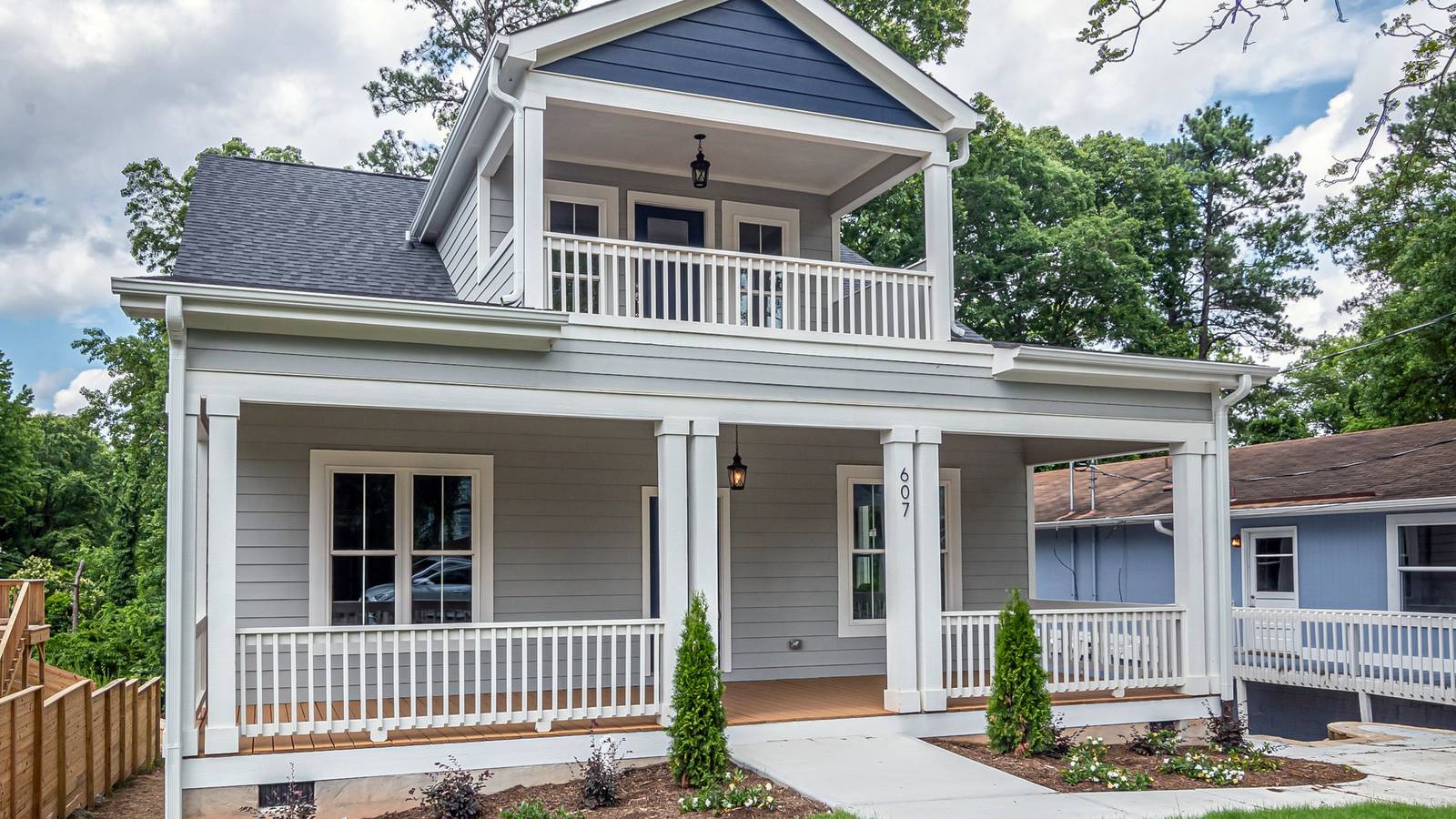
Beacon is canvassing software for door-to-door teams. Managers draw territories on a map and assign them to reps, and each rep gets a walk list ordered by street. At each door, the rep records the result, a rating and a note, and can set a follow-up appointment from the same screen, with or without cell signal. Managers see results in an activity feed as reps record them, and the leaderboard shows each rep's doors, contacts and contact rate. Every plan includes unlimited users. See Beacon for door-to-door sales teams for details.
Common questions
What is canvassing in sales?
Contacting potential customers in person without an appointment, usually by going door to door through an assigned area, to find people with a need and arrange a sale or an appointment.
Is sales canvassing the same as door-to-door sales?
Mostly. Door-to-door sales is sales canvassing aimed at homes. Sales canvassing can also mean visiting the businesses in an area.
Is canvassing the same as cold calling?
Both are cold prospecting, but canvassing happens in person and cold calling happens by phone. Canvassing reaches fewer people in an hour, and it lets the rep see the property.
What is a good contact rate for sales canvassing?
It depends on the area, the time of day and the season. Track your own contact rate by territory and by time of day, and use it to decide when and where reps knock.
Start with one territory
Pick one area that suits your product, give a rep a walk list and record every door for a week. Try Beacon free for 14 days and see each rep's doors, contacts and contact rate as the week goes on.