Turf Cutting: How to Cut Canvassing Turf, Step by Step
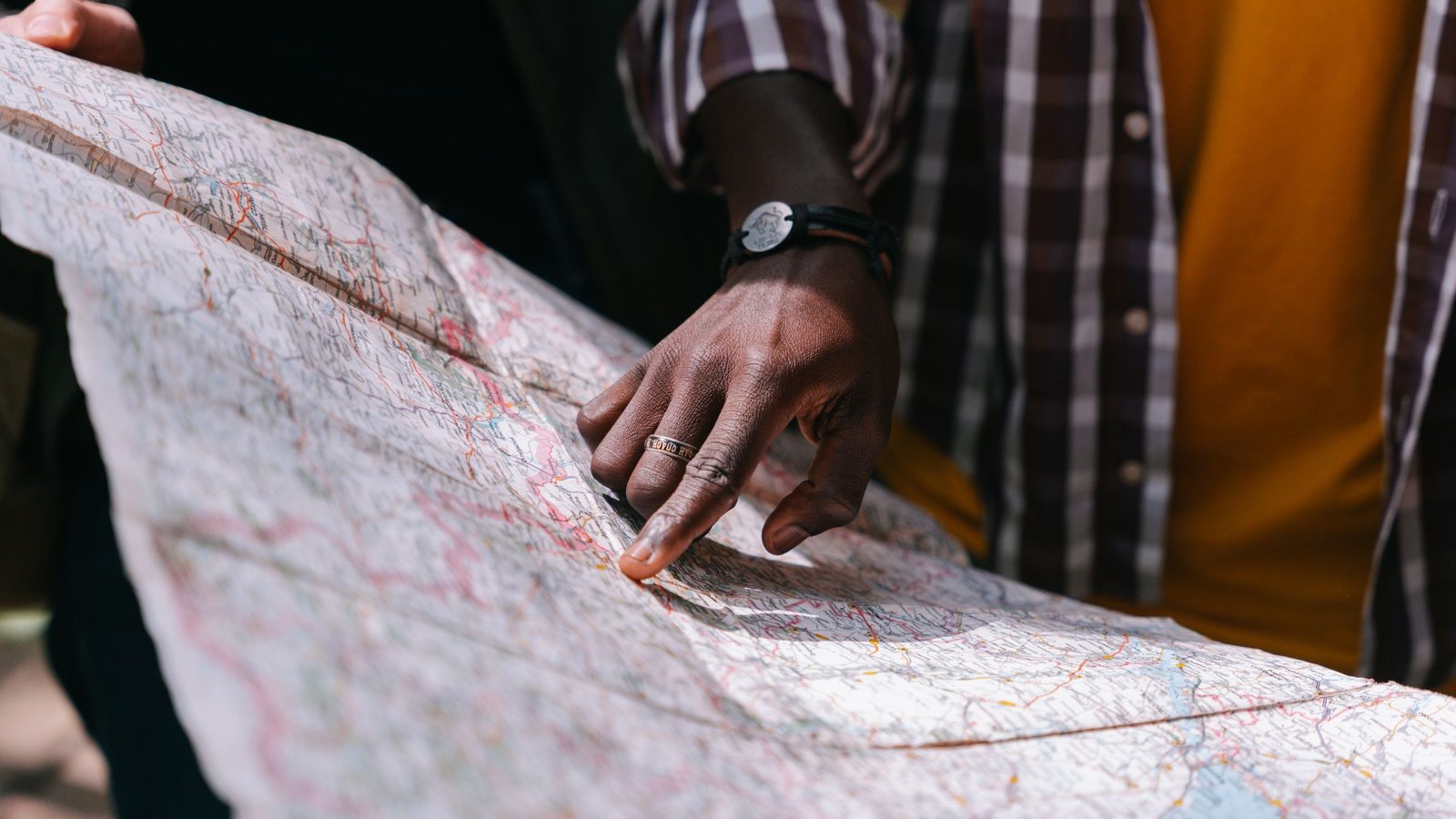
Turf cutting is the job of dividing a target area into turfs, the territories you hand to individual canvassers, or to pairs, for one shift. A good turf is one a canvasser can finish in the time they have, with edges they can find without studying a map, and doors that are worth knocking. A badly cut turf sends a volunteer home with half the list untouched, or puts two canvassers on the same street.
The term comes from political field work, but the same task exists in door-to-door sales, petition drives and nonprofit canvassing. This post covers how to size a turf, where to draw the lines, how to cut turf for different kinds of programs, and what to change after the first shift. It is part of our guide to canvassing operations, which covers routing, staffing and measurement as well.
What a turf is
A turf is the set of doors one canvasser, or one pair, is responsible for in a shift. It has a boundary on the map and a walk list, which is the list of addresses inside that boundary that you want knocked. Some programs call a turf a territory, a cut or a packet. In this post, turf means the area, and walk list means the addresses inside it.
Not every door inside a turf belongs on the walk list. A political campaign usually knocks only the people in its target universe, the group it has decided to contact. A sales team may skip addresses it already serves, and a nonprofit may leave out people who asked not to be contacted. So two turfs of the same size can hold very different numbers of doors.
Start from the shift, not the map

The most common mistake in turf cutting is dividing an area into pieces with equal numbers of records. Two hundred records in a tight grid of townhouses and two hundred records along county roads are very different amounts of work. Size each turf by the time it takes to walk instead.
Work it out from your own numbers:
- Time at the doors. Start with the length of the shift and subtract the time spent getting to the turf, the walk back and any breaks.
- Doors per hour. Use the pace your canvassers actually kept in similar neighborhoods on recent shifts, not a figure from another program. Pace varies with how close the houses are, how many people answer, and how long the conversations run.
- Multiply the two. The result is how many doors one canvasser can work in that shift, and that is the size of the turf.
As an example, suppose a shift is three hours, getting to the turf and back takes about half an hour, and your results from last weekend show about 15 doors an hour in neighborhoods like this one. That leaves two and a half hours at the doors, so the turf should hold about 35 to 40 doors on the walk list. If your own numbers are different, the turf size changes with them.
Before your first shift, when you have no results yet, cut turfs on the small side. A canvasser who finishes early can be given more doors. One who cannot finish leaves a gap that someone has to fill later.
Where to draw the lines
A boundary should be something a canvasser can see when standing on the sidewalk.
- Follow real features. Use streets, rivers, rail lines and major roads. A line drawn through the middle of a block leaves a canvasser unsure whether the house in front of them is theirs.
- Keep quiet streets together. On a residential street, give both sides to the same turf so the canvasser can work up one side and back down the other. On a busy road, split along the road instead, because crossing it again and again is slow and unsafe.
- Do not ask canvassers to cross barriers. A turf that spans a highway, a rail line or a river looks small on the map and takes far longer on foot.
- Treat apartment buildings separately. Large buildings, gated communities and other places with controlled access are worked differently from houses, so give them their own turfs.
- Give each turf a starting point. A turf should have a place to park or a transit stop at one edge, and the walk should end near it.
Political programs have one more rule: keep turfs inside precinct lines. Election results are reported by precinct, so a turf that crosses a precinct boundary cannot be compared with the results afterward.
How to cut turf for different programs
Beacon / from list to doors
How a walk list gets to the door
- Import your listA spreadsheet of names and addresses. The name and address columns are matched for you.
- Draw territoriesOutline each area on the map.
- Assign peopleGive each territory to one person, and reassign it at any time.
- Walk in street orderEach walk list is ordered by street.
- Record each doorThe result, a rating, notes and survey answers, even without signal.
- Read the resultsWatch the activity feed, see how many contacts each territory has reached, and export to a spreadsheet.
The principles above apply to every program, but the starting point differs.
- Political campaigns start with the target universe. Cut turfs where those voters are concentrated, keep each turf inside one precinct, and expect to walk the same turfs more than once before Election Day. Turfs for the final days are usually smaller, because the goal is reaching specific people rather than covering ground.
- Door-to-door sales teams usually cut by neighborhood and by the kind of home that fits what they sell. Keep a rep on the same turf long enough to work callbacks, since a rep learns which households to revisit.
- Petition drives and voter registration favor areas where many eligible people live close together. Check the local rules for where your circulators may collect signatures and what they must do, because those rules vary from one place to the next.
- Nonprofit and advocacy canvassing often follows where supporters already live, or a service area, rather than a political boundary.
Common turf cutting mistakes
- Dividing by equal record counts instead of equal walking time.
- Drawing boundaries through the middle of a block.
- Letting turfs overlap, so two canvassers knock the same door and annoy the household.
- Giving a new volunteer a turf sized for an experienced canvasser on their first shift.
- Ignoring access: locked buildings, gates, long rural driveways and dogs all slow a turf down.
- Cutting turf once at the start and never changing it, even after the first shifts show it was wrong.
After the first shift
Your first cut is an estimate, so check it against what happened. Compare the doors knocked with the doors on each walk list. A turf that was finished with time to spare can grow, and one that was left half done should shrink or be split. Turfs in the same kind of neighborhood will usually need the same correction.
Plan a second pass for the doors where nobody answered, and send it at a different time of day, such as an evening instead of a weekend morning, because different people are home. When you rebalance, move the boundaries rather than the people: a canvasser who knows a turf works it faster.
For more on keeping territories balanced across a whole team and a whole season, see territory optimization for door-to-door teams. For the order of doors inside each turf, read canvassing route planning.
Cutting turf in Beacon
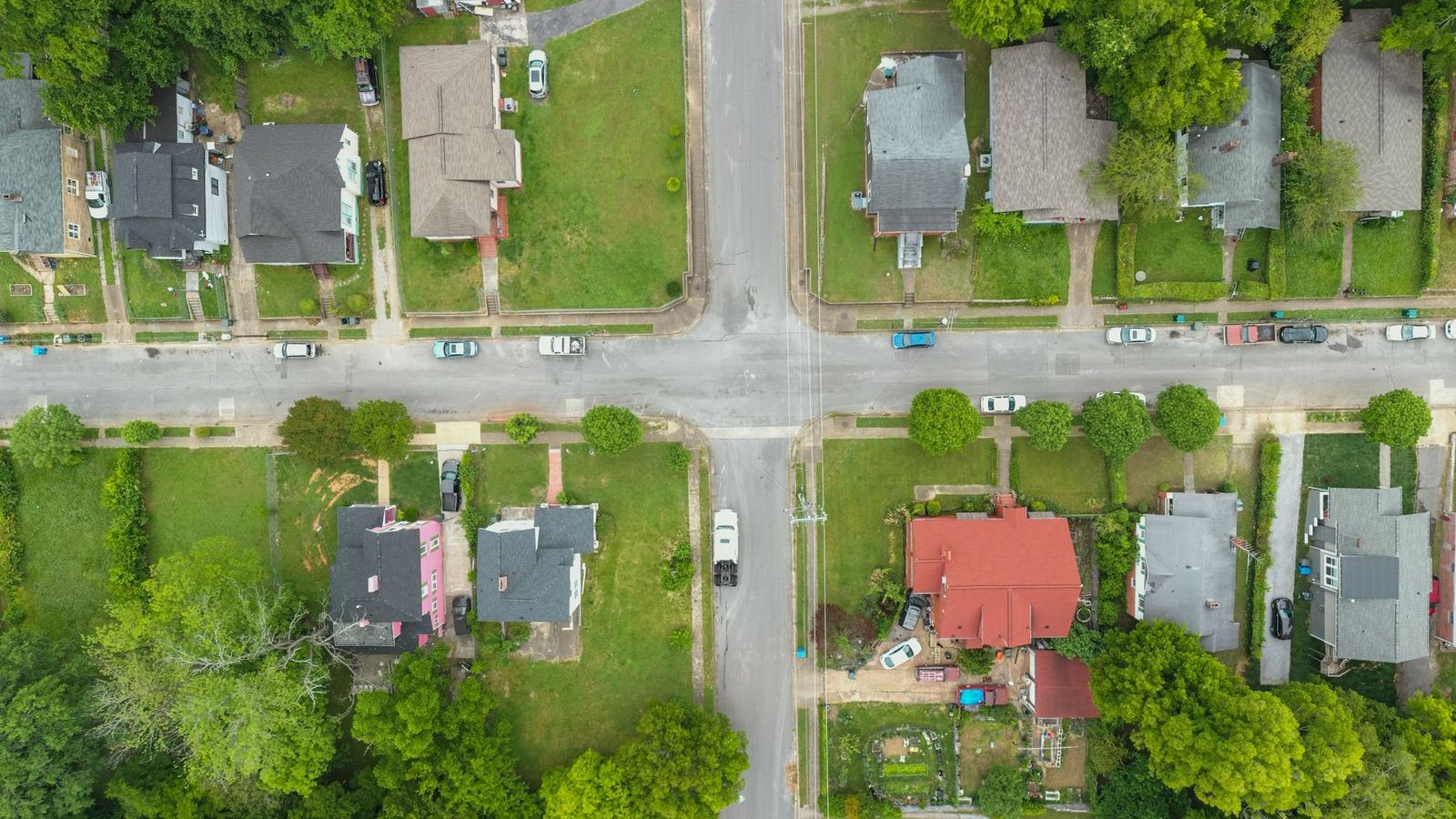
In Beacon, you draw each turf as a shape on the map, or import boundaries you already have as a GeoJSON or KML file. Beacon counts the contacts inside each turf, and an overlap check warns you when a new turf crosses one you have already drawn. You assign each turf to one or more canvassers, and you can reassign it when plans change.
Inside a turf, Beacon orders the walk list by street and gives extra weight to priority contacts. The phone app keeps working without signal and uploads door results when the connection returns. Each turf shows how many of its contacts have been reached, so you can see which turfs need a second pass, and on the Growth plan and up, a live map shows where each canvasser is. Our page on territory management shows how drawing, assigning and tracking turfs works.
Common questions
How many doors should a turf have?
Enough for one shift at the pace your canvassers actually keep. Multiply the doors per hour from recent shifts in similar neighborhoods by the hours spent knocking. A turf in a dense neighborhood can hold far more doors than one along rural roads for the same shift.
What is the difference between a turf and a walk list?
The turf is the area on the map. The walk list is the set of addresses inside it that you want knocked, in the order the canvasser should visit them.
Should I cut turf by precinct?
For a political program, yes, where you can. Results are reported by precinct, so turfs inside precinct lines let you compare your field work with the results afterward.
How often should turf be recut?
After the first shift, and again whenever the walk list changes, such as after a new list import or when a group of doors has been finished. A turf that is never changed is almost always wrong by the second week.
What is turf cutting software?
It is any tool that lets you draw turfs on a map, see the doors inside each one, and hand them to canvassers as walk lists. Most canvassing apps include it. Look for boundaries you can change in a few minutes, a warning when turfs overlap, and a count of how much of each turf has been worked.
Start with one turf
Draw one turf, import the addresses inside it, and send a canvasser out with a walk list ordered by street. After one shift, you will know how big your turfs should be. Try Beacon free for 14 days.