Canvassing Route Planning: How to Cover a Neighborhood Efficiently
Whether a canvasser knocks 12 doors per hour or 25 often depends on route planning. Walking the same street twice, backtracking through a neighborhood, and spending too long traveling between groups of target addresses all waste time, and the losses add up quickly.
Good route planning increases the number of people your canvassers reach each hour, reduces fatigue, and makes sure your whole target area is covered. This guide explains how to do it.
Why Route Planning Matters
For example, if you have 10 canvassers working 3-hour shifts, the difference between 15 and 25 doors per hour is 300 additional contacts per shift. Over a campaign or sales season, that adds up to thousands of additional conversations from better route planning alone.
Efficient routes also reduce canvasser burnout, because walking in circles or backtracking is frustrating and tiring. A well-planned route lets canvassers see steady progress through the shift.
The Basics of Turf Cutting
Turf cutting is the process of dividing your target area into individual territories, called turfs, that each canvasser covers in a shift. Each turf should be:
- Completable in one shift. A typical 2 to 3 hour canvassing shift can cover 50 to 80 doors in suburban areas and 80 to 120 in dense urban areas.
- Geographically compact. Minimize the distance between the first and last door. The canvasser should be able to walk the entire turf without long stretches that have no doors to knock.
- Practical to reach: Consider natural boundaries (highways, rivers, railroads) and access points, such as where canvassers can park.
- Balanced in priority. Mix high-priority targets with lower-priority ones so that every turf has productive doors to knock.
Route Optimization Strategies
Beacon / from list to doors
How a walk list gets to the door
- Import your listA spreadsheet of names and addresses. The name and address columns are matched for you.
- Draw territoriesOutline each area on the map.
- Assign peopleGive each territory to one person, and reassign it at any time.
- Walk in street orderEach walk list is ordered by street.
- Record each doorThe result, a rating, notes and survey answers, even without signal.
- Read the resultsWatch the activity feed, see how many contacts each territory has reached, and export to a spreadsheet.
The Snake Pattern
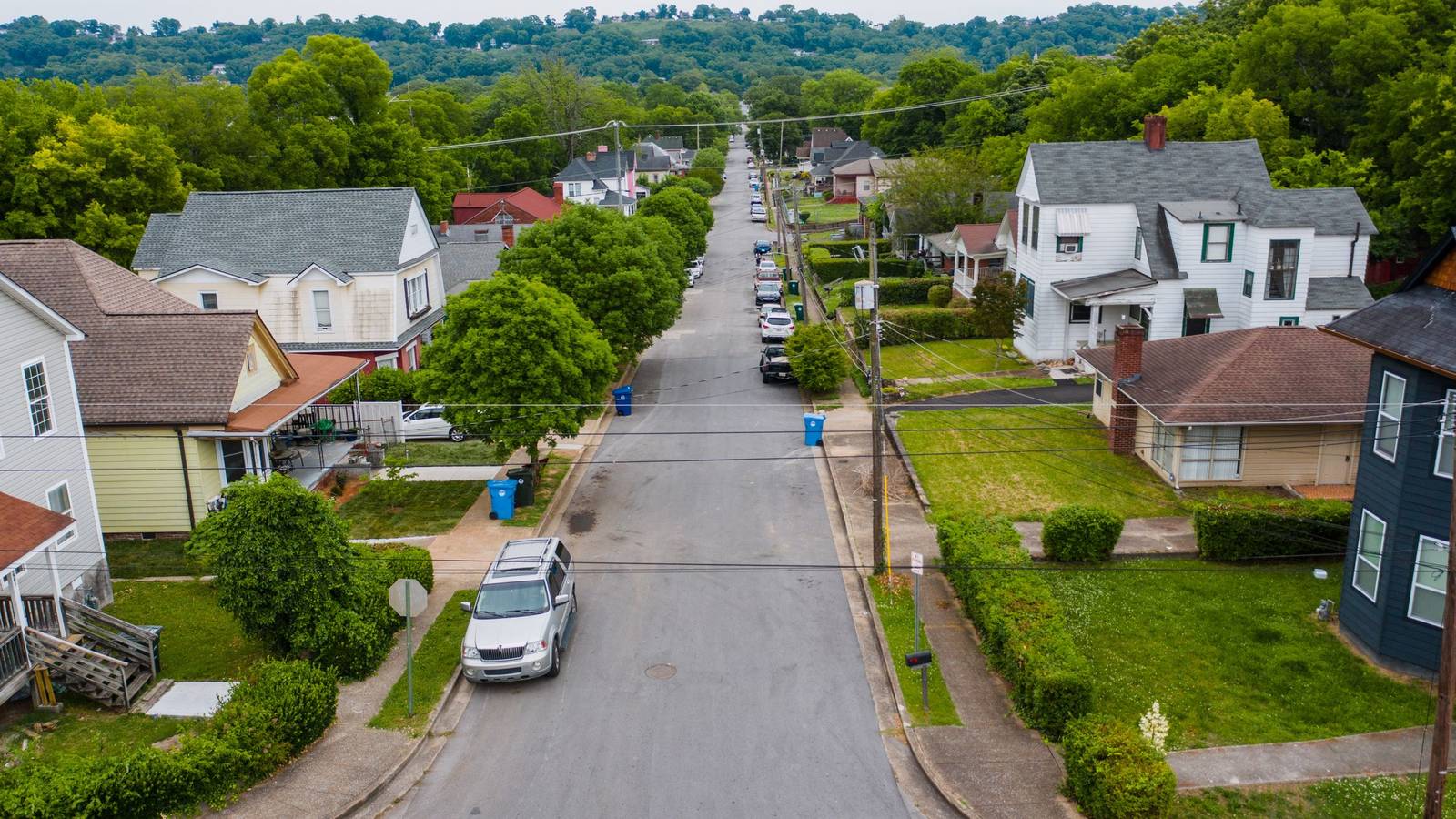
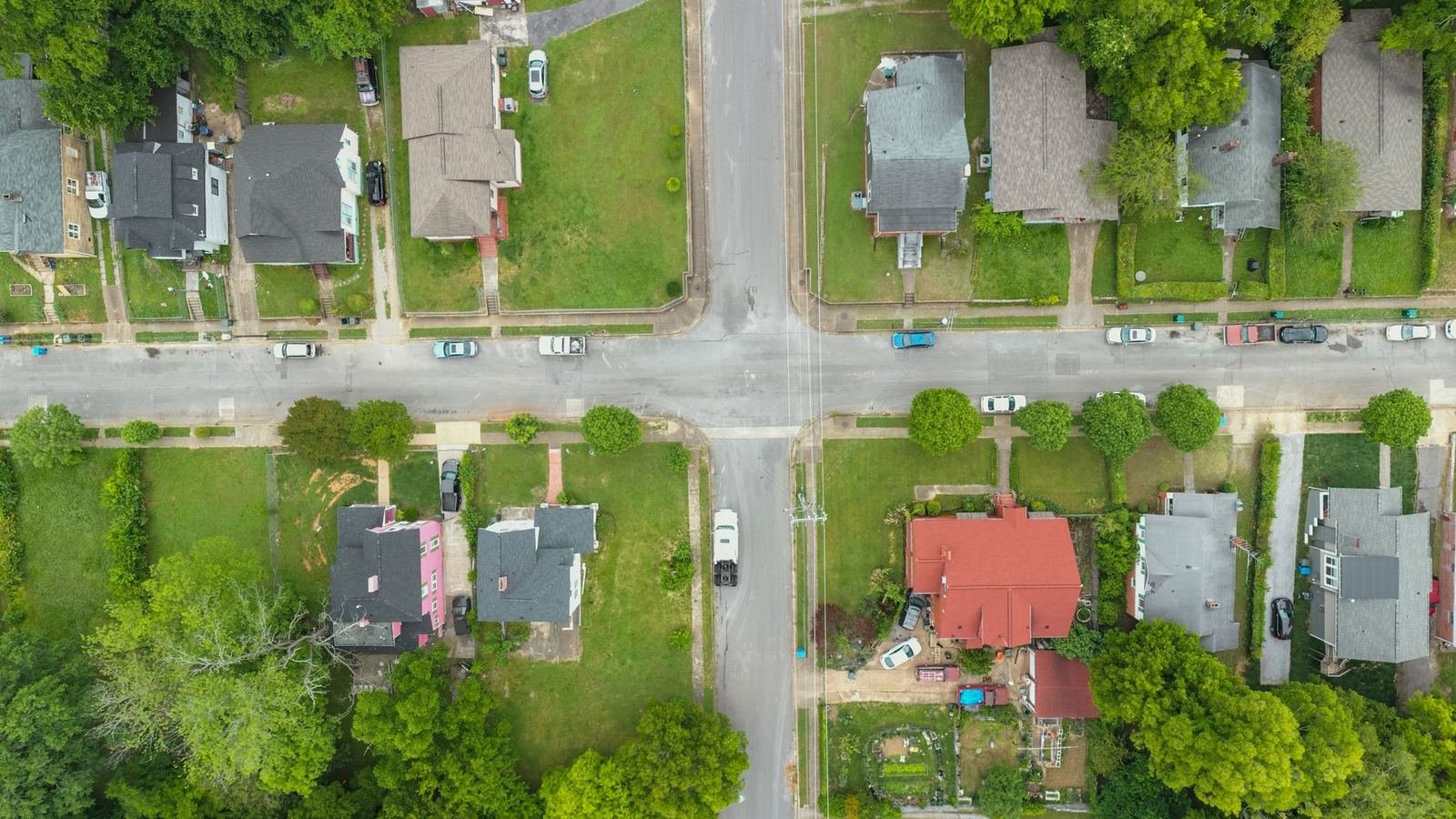
The most efficient walking pattern for residential streets is the snake: walk down one side of the street, cross at the end, and walk back on the other side. This eliminates unnecessary street crossings and makes sure you reach every door on the block.
This article is part of our guide to canvassing operations.
For streets with target addresses on only one side, skip the return trip and move to the next street. The goal is to avoid any stretch where you are walking without knocking on doors.
Cluster-Based Routing
When your target addresses are spread out (not every house on a block is a target), route optimization becomes more important. Group nearby target addresses into clusters and plan a route that moves from cluster to cluster with as little empty walking as possible.
Modern canvassing apps handle this automatically, putting addresses in the order that keeps total walking distance shortest. If you're planning routes by hand, lay out the addresses from your walk list (the list of doors to visit) on a map and look for natural clusters and efficient paths between them.
Priority-Based Routing
Not every door is equally important. In political campaigns, high-priority voters you hope to persuade should be visited first, while lower-priority addresses can be skipped if time runs short. Structure routes so that high-priority doors come early in the shift when canvassers are fresh and energetic.
Time-of-Day Adjustments
Contact rates, meaning the share of doors where someone answers, vary by time of day. If you know certain neighborhoods have higher contact rates in the evening (because residents work during the day), schedule those turfs for evening shifts. Morning shifts might focus on retirement communities or neighborhoods with stay-at-home residents.
Common Route Planning Mistakes
- Turfs too large. If a canvasser can't complete their turf in one shift, doors get missed and the territory shows incomplete data. It is better to have smaller turfs that get fully covered.
- Ignoring walking distance. A turf might contain 60 target doors but spread across a half-mile radius with long walks between them. Count walking distance as well as doors.
- No parking plan. Plan where canvassers will park. If the staging area (where canvassers meet before heading out) is a mile from the turf, they waste 20 minutes walking to and from their assignment.
- Overlap between turfs. Two canvassers covering the same street wastes time and confuses voters whose doors are knocked twice.
- Not accounting for apartment buildings. A 50-unit apartment building is very different from 50 houses. Apartment canvassing is faster (no walking between buildings) but has its own challenges (locked lobbies, lack of doorbells).
Technology for Route Planning

Manual route planning with paper maps and spreadsheets works for small programs, but it becomes hard to manage as the program grows. At that point, you need technology that can:
- Display targets on a map. See where your target addresses are and draw territories visually.
- Optimize walking routes. Automatically order doors for the shortest walking distance.
- Track coverage in real time. See which doors have been knocked and which haven't, updated live as canvassers work.
- Prevent overlap. Ensure no two canvassers are assigned the same doors.
- Make changes during the shift. Reassign territories mid-shift if a canvasser finishes early or another calls in sick.
Beacon handles all of these tasks. You draw territories on a map and load your target addresses, and Beacon plans the routes and manages assignments. GPS tracking (on the Growth plan and up) shows coverage as it happens, and performance reports show which routes and times produce the best results.
Maximizing Contacts Per Hour
Beyond route planning, these tactics increase doors knocked per hour:
- Keep conversations focused. Be friendly but efficient. The goal at each door is a conversation of 2 to 3 minutes rather than 15 minutes.
- Don't linger at non-answers. If nobody answers after 15 to 20 seconds of knocking, mark it as "not home" and move on.
- Move quickly between doors. Walk steadily, because the time spent between doors adds up.
- Know when to skip: If a house has a large, aggressive dog, an overgrown path, or a "no soliciting" sign, skip it. Safety and respect come first.
- Record data while walking. Don't wait until you're at the next door to record the result from the last one. Enter data as you walk.
Efficient route planning is one of the most valuable improvements you can make to any canvassing program. With better routes, the same team can contact significantly more people in the same amount of time, at no extra cost. In campaigns and sales alike, more contacts lead to more results.
Beacon supports this work with route optimization that orders a walk list by street.