Real Estate Farming: How to Choose and Work a Farm Area
Real estate farming means choosing one neighborhood, called your farm, and staying in regular contact with its homeowners through visits, flyers and events, so that they know your name when they decide to sell or buy. To farm well, choose the area by housing and market factors, write a 12-month plan you can keep, record every homeowner and follow-up, and measure the results with your own records.
This post is part of our guide to planning and running a canvassing campaign. For what to say at the door, when to knock and how to stay safe, see our post on real estate door knocking, which has word-for-word scripts.
Start with your brokerage's policy and local rules
Before you choose a farm, ask your managing broker about the brokerage's policy on prospecting. It can cover door-to-door visits, what printed materials must show, giveaways and events, and how you identify yourself.
Door-to-door visits and flyers can also be covered by local rules, such as permits or set hours, and those rules differ from town to town. Our post on whether door-to-door canvassing is legal explains how to look them up. A homeowners association may have its own rules, so ask about them as well.
Three rules apply to every farm:
- Never put flyers in or on a mailbox. Federal law (18 U.S.C. 1725) restricts placing material without postage in a mailbox. Leave flyers at the door, and mail anything meant for the mailbox with postage.
- Respect every "No Soliciting" sign and every request not to return. Record each request so that nobody on your team knocks there again.
- Follow fair housing rules in your marketing. Choose a farm by its homes and its market, never by who lives there, and give every home in the farm the same visits, flyers and invitations. Your brokerage can explain the fair housing rules where you work.
How to choose a farm area
Weigh these factors when you choose a farm:
- A size you can keep up with. Size the farm so that you can finish a full round of visits in about a month.
- Sales history. Look up the area's listings and sales for the past few years in your MLS (the multiple listing service your brokerage uses). Choose an area where homes sell regularly, and note whether one or two agents already handle most of the listings.
- Similar homes, such as one subdivision, where each sale is a fair comparison for the neighbors' homes and your market updates are useful to every household.
- Price range and home types that you know how to market.
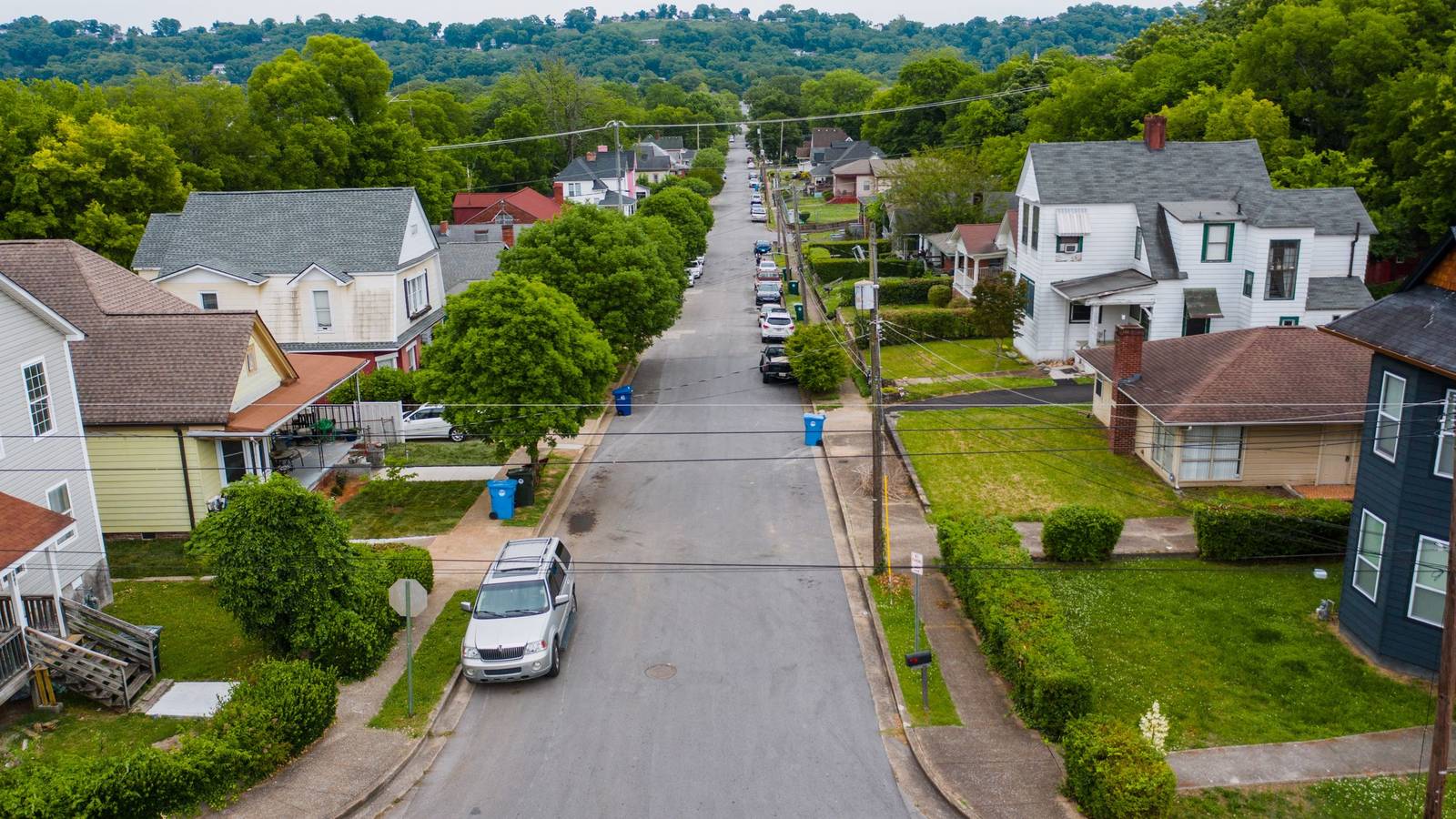
- Access on foot. Sidewalks and compact lots let you reach more doors in an afternoon. Gated communities and buildings with controlled entry may limit visits.
- Distance from your home or office. You will return many times, so a nearby farm is easier to keep up.
Never choose or skip a neighborhood, a street or a home because of the residents' race, color, religion, national origin, sex, disability, family situation or any other personal characteristic, or because of what you assume about them. Write down your reasons for choosing the farm in terms of homes and sales.
Example (planning assumptions): you knock for two afternoons a week, 2 hours each, and reach about 20 doors an hour. That is about 320 doors over four weeks, so a farm of about 300 homes fits a monthly round, and a farm of 600 homes needs two months for each round. Time one afternoon on your own streets before you settle on a size.
Write a 12-month contact plan
A farm plan lists every contact you will make with the homeowners over the year: visits, flyers and events. Agents often call each of these a touch. Plan the whole year before you start, and choose a pace you can keep for all twelve months.
The plan below is an example to adapt, not a rule about how many contacts a farm needs. If you start in another month, move the rows to fit your area's seasons.
| Month | Contact | What to do |
|---|---|---|
| January | Visit round | Introduce yourself, and leave a flyer where nobody answers. |
| February | Flyer | Last year's sales in the farm, with only the details your brokerage allows. |
| March | Visit round | A spring market update. Retry unanswered doors at another time of day. |
| April | Event | For example, a neighborhood garage sale advertised to every home. |
| May | Flyer | A seasonal home maintenance checklist. |
| June | Visit round | A midyear market update and any requested follow-ups. |
| July | Flyer | Local summer events from public calendars. |
| August | Event | For example, a shred day or an open house in the farm. |
| September | Visit round | A fall market update. |
| October | Flyer | An invitation to a fall event. |
| November | Event | For example, a small holiday giveaway, if your brokerage allows it. |
| December | Flyer | A thank-you note with the year's sales summary. |
Visit rounds, flyers and events

Give each visit round a reason the homeowner cares about, such as an introduction or a market update, and knock at every door in the farm. The neighborhood update script in our door knocking guide fits these rounds.
Keep each flyer to one topic, with your name, your brokerage, your contact details and anything else your brokerage requires. Use only the sale details that your brokerage and your MLS allow you to publish. Our door hanger templates include layouts you can adapt.
For events, invite every home in the farm with the same flyer. Check your brokerage's policy on events and giveaways first, and ask your city or village whether an event in a public space needs a permit.
When a home in the farm lists or sells
Visit its closest neighbors within a few days with the news. Our post on circle prospecting covers who to visit, in what order and what to bring.
Track homeowners and follow-ups
Keep one record for each home in the farm, and update it after every door. A complete record shows:
- The address, and the homeowner's name once you learn it.
- Each contact, with its date, its type and the result.
- What the homeowner asked for, and any time frame they mentioned for selling or buying, in their own words.
- How they prefer to be contacted, and whether they asked not to be visited again.
Keep notes to the home and the homeowner's plans, and leave out personal details about the household. On a team, agree on a few short note words, such as "summary", "spring visit" and "do not return", so that every agent writes the same thing.
Send what you promised within a day or two, using the contact method the homeowner chose. If a homeowner would like text messages, get their agreement in writing, for example on a sign-up card that says plainly that they agree to receive texts, and record the date. Text only the homeowners who have agreed. For those texts, CampaignCNX+ is a separate texting product.
Measure the farm with your own records

At the end of each quarter, count these figures from your records: the homes you reached in each visit round, conversations, follow-up requests, listing appointments, and the listings and sales in the farm that came to you. Compare that with all of the farm's listings and sales in your MLS to see your share.
Compare each round with the one before it. If many doors go unanswered, change the day or time of your visits. If few homeowners ask for a summary, change the topic of the next update.
Example (illustrative numbers, not a benchmark): in a farm of 300 homes, your first two quarters show 600 doors knocked, 170 conversations, 14 follow-up requests and 2 listing appointments. You move your visits to weekend afternoons, and then compare the next two quarters with the first two.
Keep the plan going for a full year before you judge it, because homeowners decide to move on their own schedule.
Work your farm in Beacon
In Beacon, a door-to-door canvassing app that you open on your phone, choose Real estate as your organization type when you sign up. Beacon then uses real estate words: your team members are Agents, the people you meet are Homeowners, your farms are Farm Areas, the doors you walk are your Door List, and your talking points go in the Door Script.
- Draw your Farm Areas. Open Farm Areas and draw your farm on the map. Split a large farm into sections that each fit one afternoon, and assign each section to an agent. Organization roles let a team lead manage and reassign Farm Areas.
- Add your Homeowners for the homes in each Farm Area.
- Create a campaign for each visit round. One organization can hold several campaigns, so each round keeps its own results. Put the round's talking points in the Door Script, so that every agent sees them at the door.
- Walk your Door List. When an agent downloads the Door List, the stops are in walking order by distance.
- Record every door. Choose from eight result buttons, including Not Home and Left Flyer, and then add a 1 to 5 rating and a short note.
- Check your progress. The completion percentage shows how much of each Farm Area a round has covered, Beacon offers heat views of the results, and the leaderboard shows each agent's activity.
- Export for follow-up. Download contacts and door results as CSV or PDF files, work through the follow-ups, and add the counts to your quarterly records.
Every plan includes unlimited agents. On the Growth plan and up, a team lead can see agents' live GPS locations during a shift, and on every plan an agent who walks outside their Farm Area sees a warning on their own phone. Our page on Beacon for real estate shows how agents and teams set it up.
Common questions
How many homes should a real estate farm have?
A farm should have as many homes as you can cover on your schedule. Work out how many doors you can knock in a month, and size the farm so that each visit round fits.
How long does real estate farming take to work?
There is no fixed time, because homeowners move on their own schedule. Keep the plan going for a full year, measure with your own records each quarter, and adjust.
Plan your first round
Choose your farm, write down your 12-month plan, and knock your first round of doors. Start a 14-day trial of Beacon to draw your Farm Areas and walk your first Door List. The trial includes the Starter plan's features and needs no card.