Real Estate Door Knocking: Scripts, Timing and Follow-Up
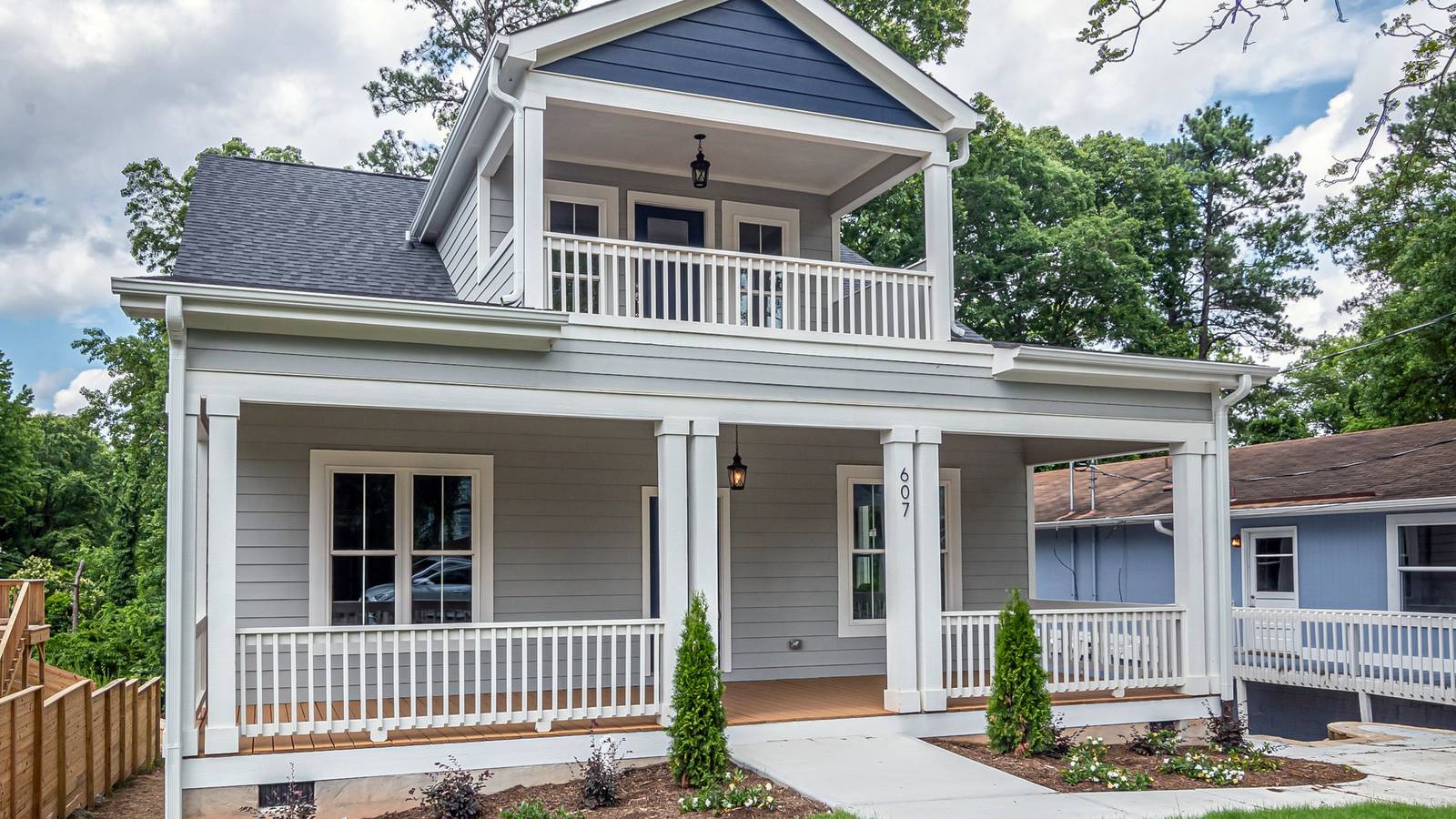
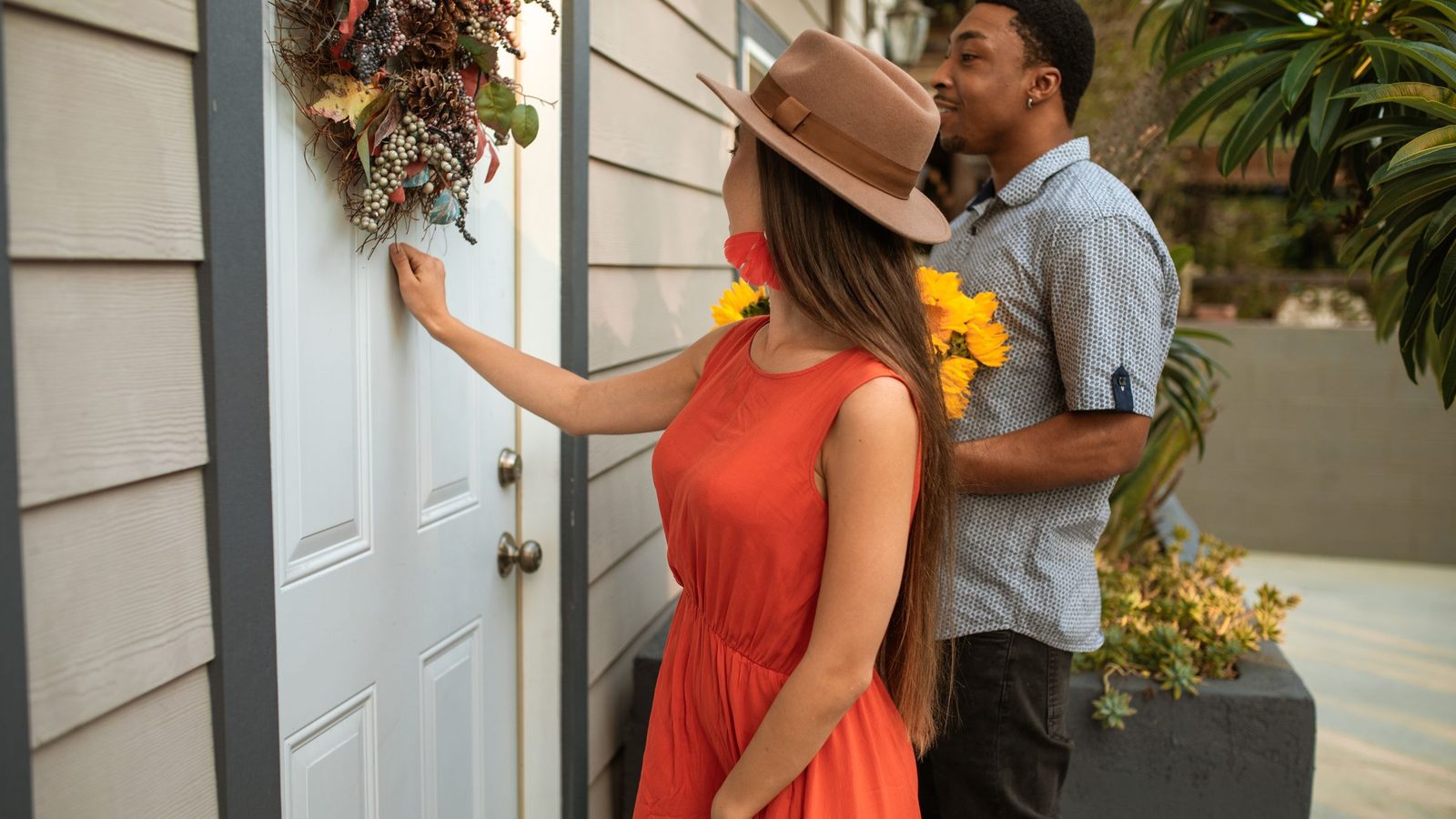
Real estate door knocking means visiting homes in a neighborhood you serve to introduce yourself, share news about a nearby listing or sale, and learn who may be thinking about buying or selling. It works best when each visit has a reason the homeowner cares about, such as a home on the street that just listed or just sold. Keep each visit short, ask one question, and follow up only in the way the homeowner agrees to.
This guide gives you scripts for the four most common reasons to knock, and then covers timing, safety and how to keep track of every door. It is part of our guide to planning and running a canvassing campaign, which covers the planning steps in more detail.
Before you knock
Check local rules and your brokerage's policy
Door-to-door visits can be covered by local rules, such as permits or set hours, and those rules differ from town to town. Your brokerage may also have its own policy on prospecting, on the materials you leave behind and on how you identify yourself. Check both before your first day: call the city or village clerk, and ask your managing broker. Our post on whether door-to-door canvassing is legal explains how to look up the local rules. Respect "No Soliciting" signs and any homeowner who asks you not to return.
Choose an area and a reason to visit
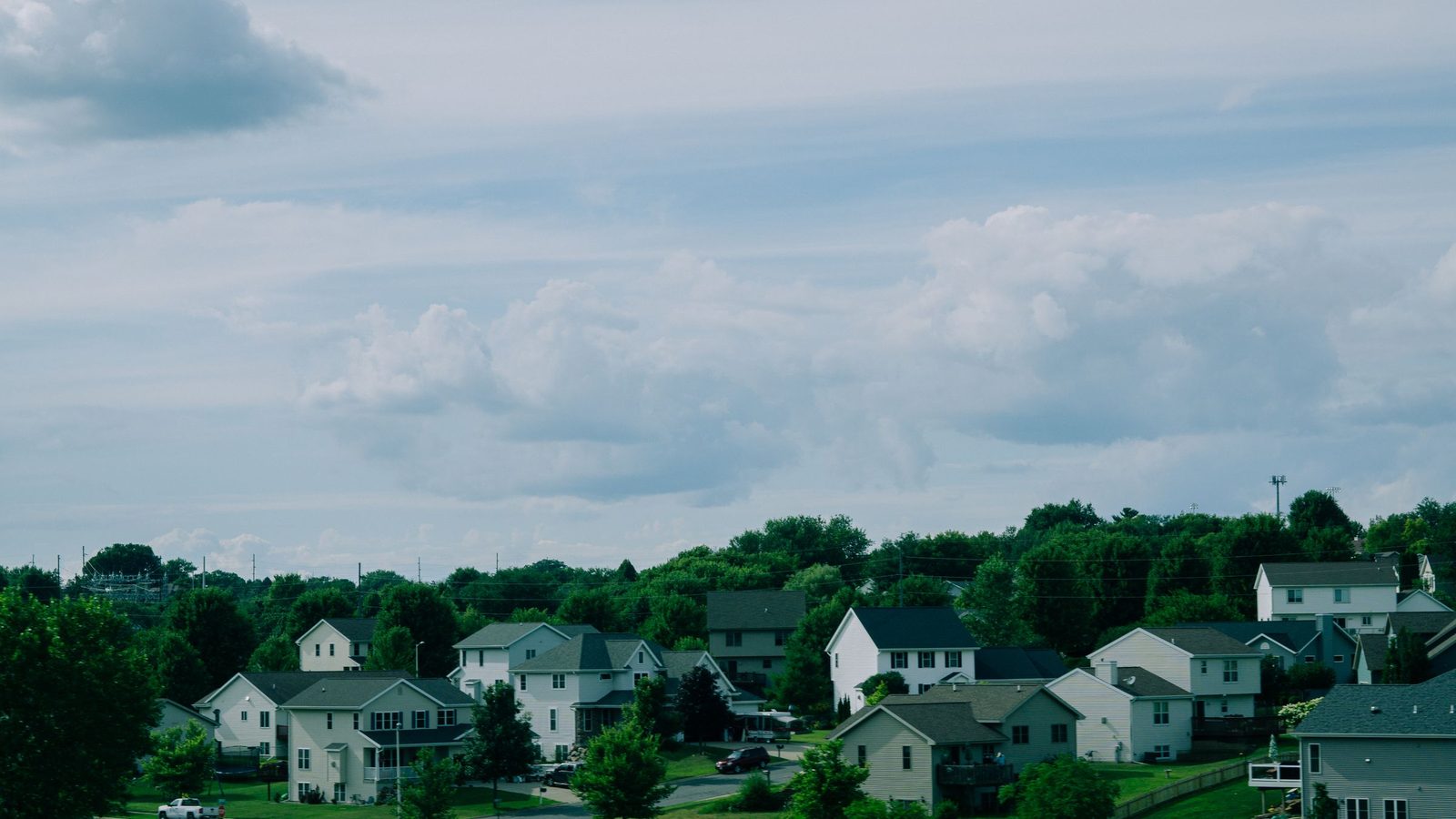
Many agents work the same neighborhood again and again, which agents often call farming the area. Returning on a regular schedule helps residents get to know you. Pick an area you can visit regularly, and give each round of visits a clear reason: a new listing, a recent sale, an open house or a short market update.
Bring the right materials
Carry business cards, a one-page flyer for the listing or the update, and something to leave at doors where nobody answers. Make sure everything you hand out meets your brokerage's requirements.
Scripts
Read each script aloud a few times, and then say it in your own words. Replace the words in brackets.
Just listed
Hi, I'm [Name] with [Brokerage]. We just listed the home at [address], a few doors down, and I'm letting the neighbors know first. Do you know anyone who has been hoping to move into this neighborhood?
If the homeowner is curious about the listing or the market:
I'd be glad to let you know how it goes. What's the best way to reach you?
Just sold
Hi, I'm [Name] with [Brokerage]. The home at [address] recently sold, and I'm stopping by to let the neighbors know. If you're ever curious what homes like yours are selling for, I can put together a short summary for you. Would that be helpful?
Open house invitation
Hi, I'm [Name] with [Brokerage]. I'm holding an open house at [address] on [day] from [start time] to [end time], and I wanted to invite the neighbors personally. Here's a flyer with the details. Do you have any questions about the home?
Neighborhood update
Hi, I'm [Name], a real estate agent with [Brokerage]. I work in [neighborhood], and I've put together a short update on homes that have listed and sold nearby. May I leave a copy with you? Is there anything you'd like to know about the market here?
When the answer is no
That's completely fine. Thank you for your time, and have a good afternoon.
Record the result and move on to the next door. If the homeowner asks you not to come back, note it so that nobody on your team knocks there again.
A note for doors where nobody answers
Sorry I missed you. I stopped by about [the listing, the sale or the open house] at [address]. My card is attached if you have any questions. [Name], [Brokerage]
Leave the note in the door or under the mat, not in the mailbox. Our door hanger templates include more layouts you can adapt.
Timing
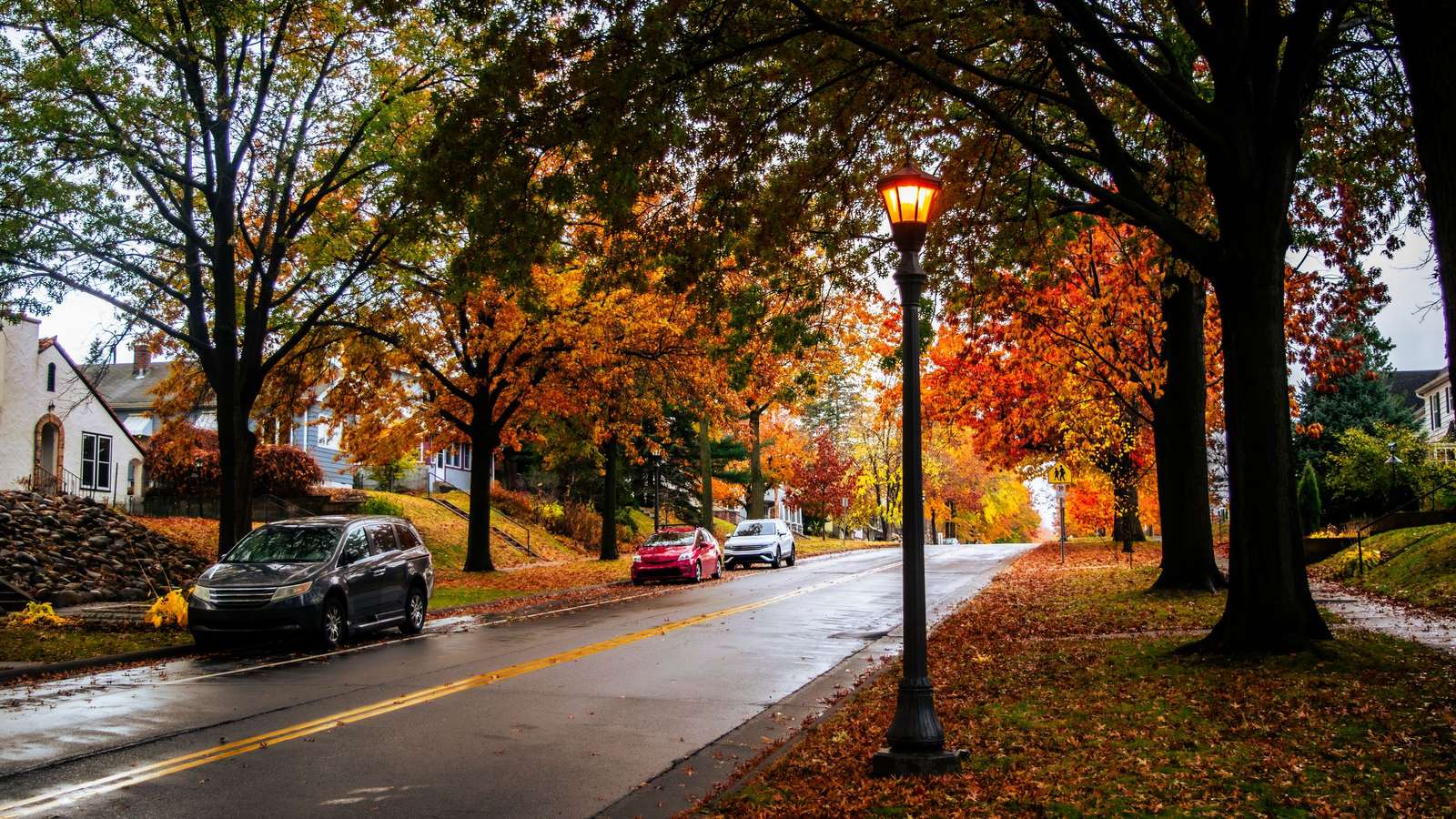
Homeowners are most likely to answer when they are home, awake and not rushing. For many neighborhoods, that means weekday late afternoons and early evenings, ending before dark, and weekend late mornings and afternoons. Avoid early mornings and the usual dinner hour, and check whether your town sets hours for door-to-door visits.
Time each reason for knocking to the event behind it:
- Just listed: within a few days of the listing going live, before or alongside the first open house.
- Open house: a few days ahead, so that neighbors can plan to come.
- Just sold: soon after the sale closes, while the news is still fresh on the street.
- Neighborhood update: on a regular schedule you can keep, for example once a quarter.
Safety
Door knocking means meeting strangers at their homes, so plan for safety every time you go out.
- Tell someone at your office which streets you are walking and when you expect to finish.
- Work with a partner when you can, especially in an area that is new to you.
- Stay outside the home on a first visit, even if you are invited in. Offer to set an appointment instead.
- Keep your phone charged, finish before dark, and leave politely if a conversation becomes uncomfortable.
- Skip any yard with a loose dog.
Our post on safety tips for door-to-door canvassers has a longer checklist.
Follow-up
Plan your follow-up before you knock, because a visit helps only if you do what you said you would do.
- Record each door right away. Details are easy to mix up after a dozen houses.
- Send what you promised, such as a market summary, within a day or two, and share only what your brokerage allows.
- Use the contact method the homeowner chose. If someone would like texts, get their agreement in writing, for example on a sign-up form that says plainly that they agree to receive texts, and record the date. Text only the people who have agreed. If you want a tool for those texts, CampaignCNX+ is a separate texting product.
- Go back to doors where nobody answered, at a different time of day.
- Return on a regular schedule with your next update, so that residents come to recognize you.
Track every door in Beacon

Keep a record of every door in your area, so you know whom you have met, who asked for a follow-up and which streets still need a visit. In Beacon, a door-to-door canvassing app that you open on your phone, choose Other as your organization type when you sign up. Then it works like this:
- Draw your area as turf. Turf is the set of streets you plan to cover. Draw it on the map. If you work on a team, assign each agent their own turf. Organization roles (owner, admin, manager and canvasser) let a team lead manage the areas and reassign them.
- Add your contacts for the homes in your turf.
- Walk in order. When you download a walk list (the list of doors to visit), the stops are in walking order by distance.
- Load your script and agree on your notes. Put your question in the script, such as "Thinking of moving in the next year?", and record the answer as a short note (yes, maybe or no), adding "follow-up" when the homeowner asks for one.
- Record every door. Choose from eight result codes, such as contacted, not home, come back later and left literature, and then add a 1 to 5 rating for interest and a short note.
- See your progress. Turf completion percentages show how much of each area is done, heat views show where interest is concentrated, and a leaderboard shows each agent's activity on a team.
- Export your follow-up list. Download contacts and door results as CSV or PDF, and work through the follow-ups.
On the Growth plan and up, a team lead can see agents' live GPS locations during a shift, which adds a layer of safety. On every plan, an agent who walks outside their turf sees a warning on their own phone. Our page on Beacon for real estate explains how teams set this up.
Common questions
What should I say when I knock on doors as a real estate agent?
Give your name and brokerage, state one reason for the visit, such as a nearby listing or sale, and ask one question. The scripts above cover the four most common reasons to knock.
How often should I door knock the same neighborhood?
Choose a schedule you can keep, and give each visit a new reason. Return sooner to doors where nobody answered, and never return to a household that has asked you not to.
Is real estate door knocking allowed in my town?
Rules differ by town, and your brokerage may have its own policy. Check with your city or village clerk and your managing broker before you start.
Start with one street
Pick one listing or one recent sale, knock the blocks around it, and record every door. Start your 14-day Beacon trial to set up your first turf and walk list. The trial includes the Starter plan's features, and you will not need a card to begin.