Safety Tips for Door-to-Door Canvassers: Protecting Your Team in the Field
Knocking on strangers' doors carries real risks. Every canvasser may face aggressive dogs, hostile residents, extreme weather, and unfamiliar neighborhoods, and simply being on foot in an area you do not know leaves you exposed. Organizations that take safety seriously protect their people and build teams that are confident, effective, and loyal.
This guide sets out the safety practices that every canvassing program should put in place.
Pre-Shift Safety Practices
Buddy System
Whenever possible, canvassers should work in pairs. Pairs can take opposite sides of the same street, keeping each other in sight while covering ground efficiently. In unfamiliar or higher-risk areas, pairs should stay together and work the same side.
Check-In Procedures
Every canvasser should check in with their captain or manager at regular intervals, usually every 30 to 60 minutes. Make the rule clear: if a canvasser misses a check-in, the captain follows up immediately. If there is still no response, the captain reports it to the next level of leadership.
Beacon's GPS tracking, on the Growth plan and up, adds further protection. Managers can see where each canvasser is at any moment, which is extremely useful if someone needs help or misses a check-in.
Emergency Contacts

Every canvasser should have their captain's phone number saved and easily accessible. Captains should have emergency contact information for every team member. Set a clear order of contact: the canvasser calls the captain, the captain calls the field director (the person in charge of all canvassing), and the field director calls emergency services if needed.
Know Your Territory
Before sending canvassers into an area, review it for safety concerns, such as known hazards, poorly lit areas, or streets without sidewalks. Tell your team about anything they should know before they start.
This article is part of our guide to canvassing from the walk list to the doorstep (a walk list is the list of addresses a canvasser is assigned to visit).
At the Door
Positioning
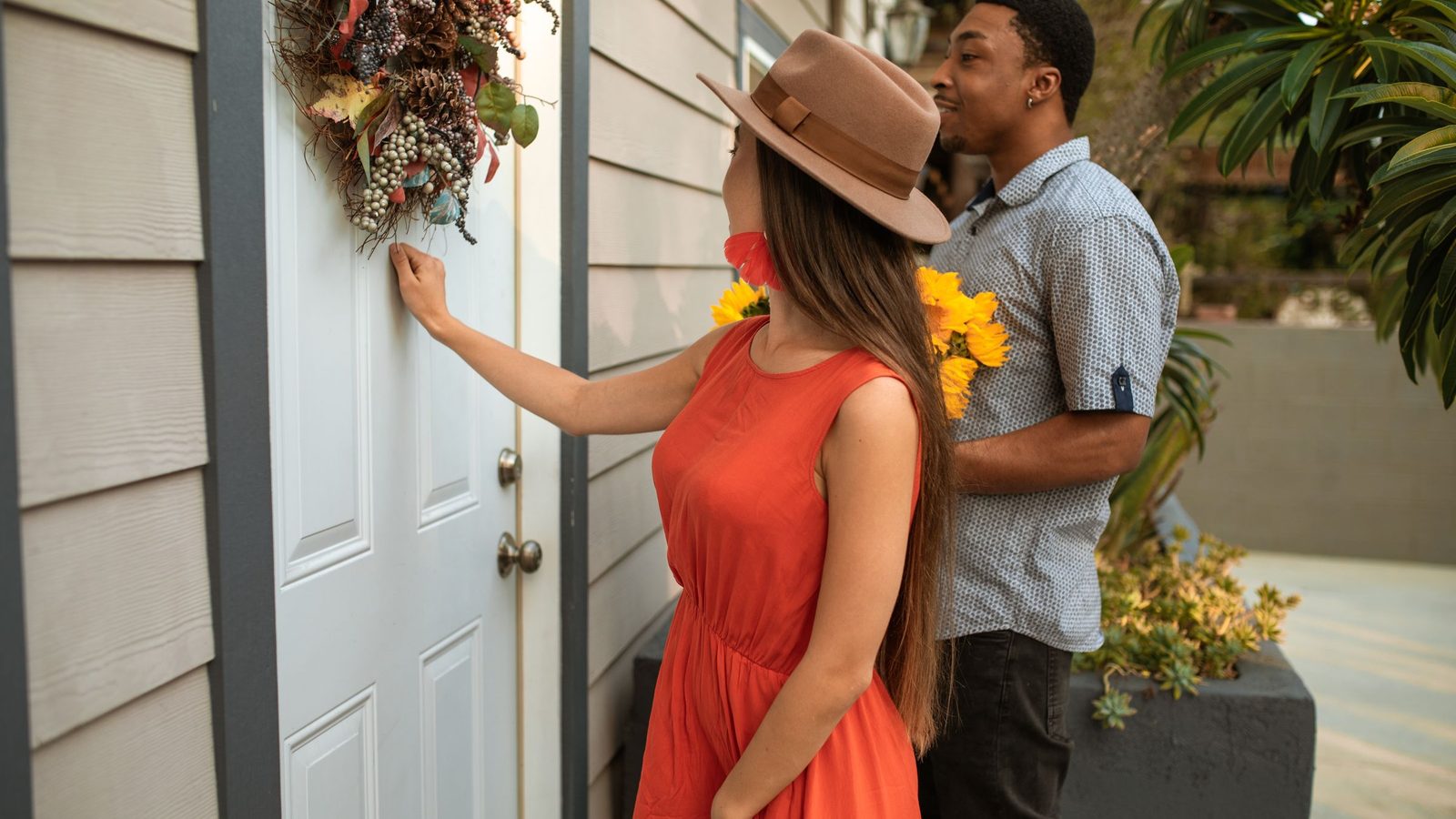
When standing at a door, position yourself to the side rather than directly in front. This gives you a better angle to see into the home when the door opens and keeps you out of the direct path if someone opens the door aggressively. Stand at least an arm's length from the door.
Identifying Yourself
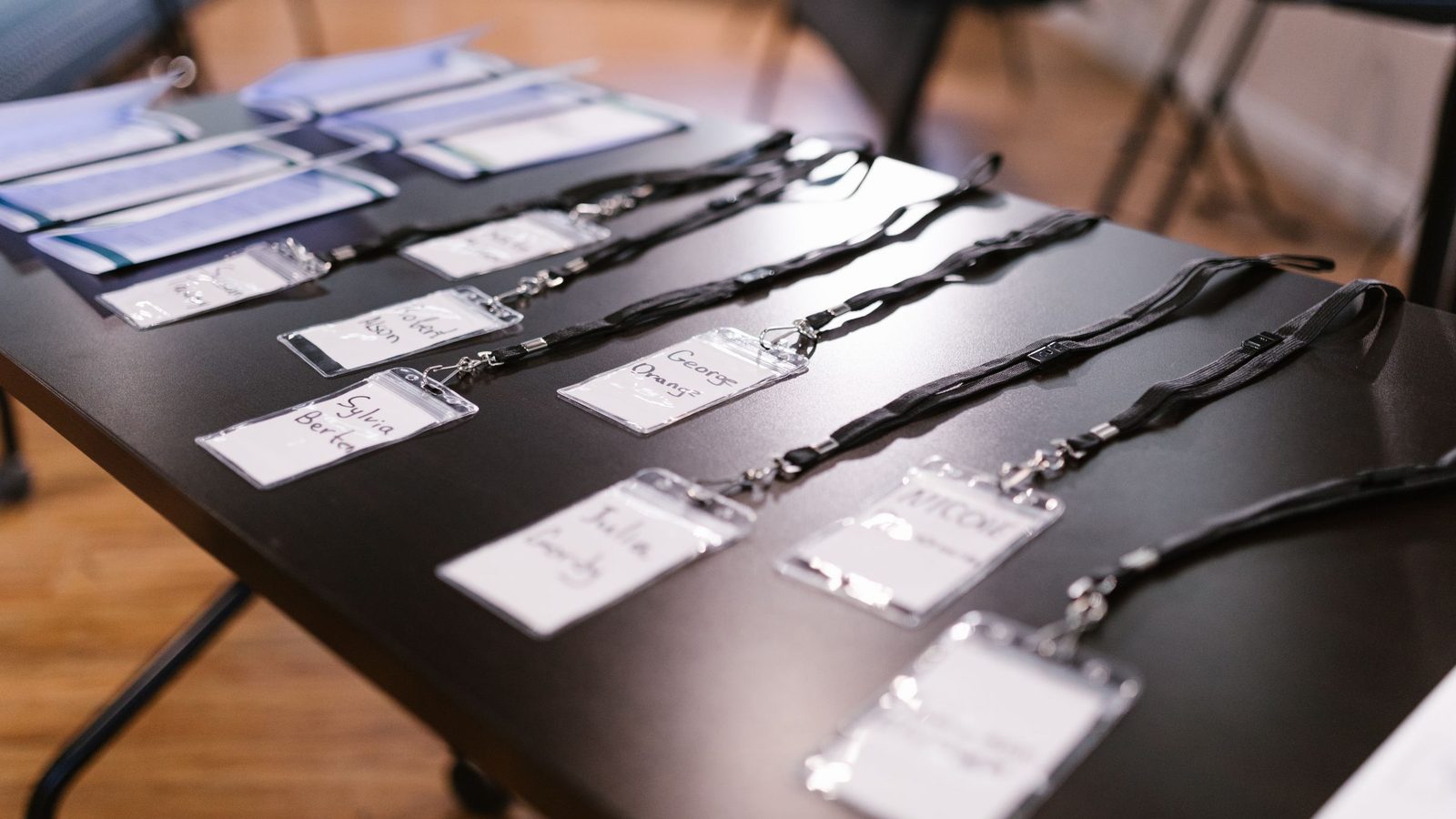
Always wear your ID badge visibly. State your name and organization immediately. Residents who know who you are and why you're there are far less likely to react with hostility.
Reading Body Language
Pay attention to the resident's body language and tone. Signs that you should end the conversation and move on include:
- Aggressive posture or language
- Visible agitation or anger
- Repeated requests for you to leave
- Signs of intoxication
If someone tells you to leave, do so right away. Never argue or try to continue the conversation. The right response is always to say "Thank you for your time" politely and go.
Never Enter a Home
This rule has no exceptions. No matter how friendly the resident seems, never go inside. Conduct all conversations at the door or on the porch. If someone invites you in, politely decline: "Thank you, but I'm happy to chat here."
Dealing with Dogs
Dogs are the most common physical hazard canvassers face. Follow these guidelines:
- Listen before approaching. If you hear aggressive barking from inside the home, skip the door
- Check the yard. Look for dogs before entering a property. Check for chains, kennels, dog toys, and "beware of dog" signs
- Don't run: If a dog approaches aggressively, stand still, avoid eye contact, and speak calmly. Running makes a dog more likely to chase you
- Use a barrier: A clipboard, bag, or phone between you and the dog can help. Back away slowly toward the sidewalk
- Report dangerous dogs. Note the address so future canvassers can avoid it. In Beacon, you can mark an address with a dog warning that the whole team will see
Weather Safety
Heat
Door-to-door work in summer heat is physically demanding. Prevent heat-related illness by:
- Carrying water and drinking regularly, without waiting until you are thirsty
- Wearing light-colored, breathable clothing and a hat
- Taking breaks in shade or air conditioning every hour
- Knowing the signs of heat exhaustion: dizziness, nausea, heavy sweating, fast heartbeat
- Canceling shifts when the heat index (how hot it feels once humidity is included) goes above safe levels, generally 105°F or higher
Cold
Winter canvassing requires proper layering, insulated footwear, and awareness of ice on walkways. Reduce shift lengths in extreme cold and ensure canvassers can warm up regularly.
Lightning
When thunder can be heard, canvassers should immediately seek shelter in a building or vehicle. Do not stand on porches or under trees. Wait 30 minutes after the last thunder before resuming canvassing.
Transportation Safety
- Park legally and safely. Do not park anywhere that could lead to a ticket or a tow, so canvassers are not worrying about their cars while working.
- Walk facing traffic. On streets without sidewalks, walk facing oncoming traffic so you can see approaching vehicles.
- Be visible. In low-light conditions, wear reflective gear. Early evening canvassing in fall and winter means canvassers may be walking in the dark.
- Know your route back. Especially in unfamiliar areas, canvassers should know how to get back to their vehicle or staging location (the meeting point where the shift starts).
Creating a Safety-First Culture
Safety rules only work if the team takes them seriously. Build a team culture that values safety:
- Lead by example. Managers who skip safety procedures teach their teams to do the same
- Never penalize for safety. If a canvasser skips a door because of a dog or leaves an area because it feels unsafe, support that decision. Never make someone feel bad for putting their safety ahead of the number of doors knocked.
- Review safety incidents. When something goes wrong (or almost goes wrong), discuss it openly with the team so everyone can learn
- Review procedures regularly. Safety should not be covered once in training and then forgotten. Include a short safety reminder in every briefing before a shift
Canvassers who feel safe perform better. They are more confident at the door, less stressed during shifts, and more likely to stay with your organization over the long term. Protecting them is the right thing to do, and it also makes your canvassing program run better. Tools like Beacon, with live GPS tracking on the Growth plan and up, give canvassers and managers peace of mind, because help is only a phone call away and someone always knows where the team is.
For this part of the work, Beacon offers live location tracking for canvasser safety on the Growth plan and up.