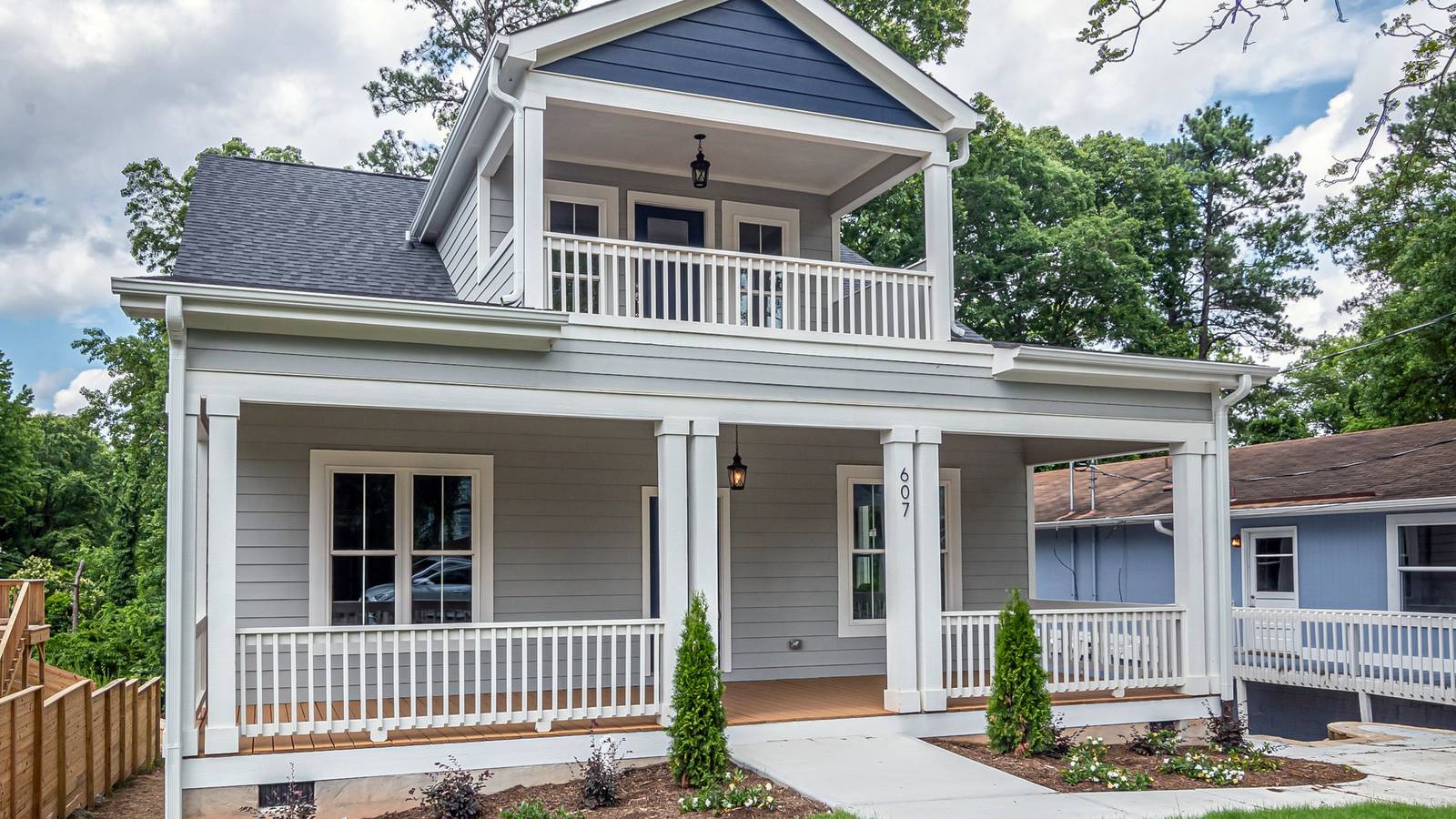
Circle Prospecting Around a New Listing or Sale
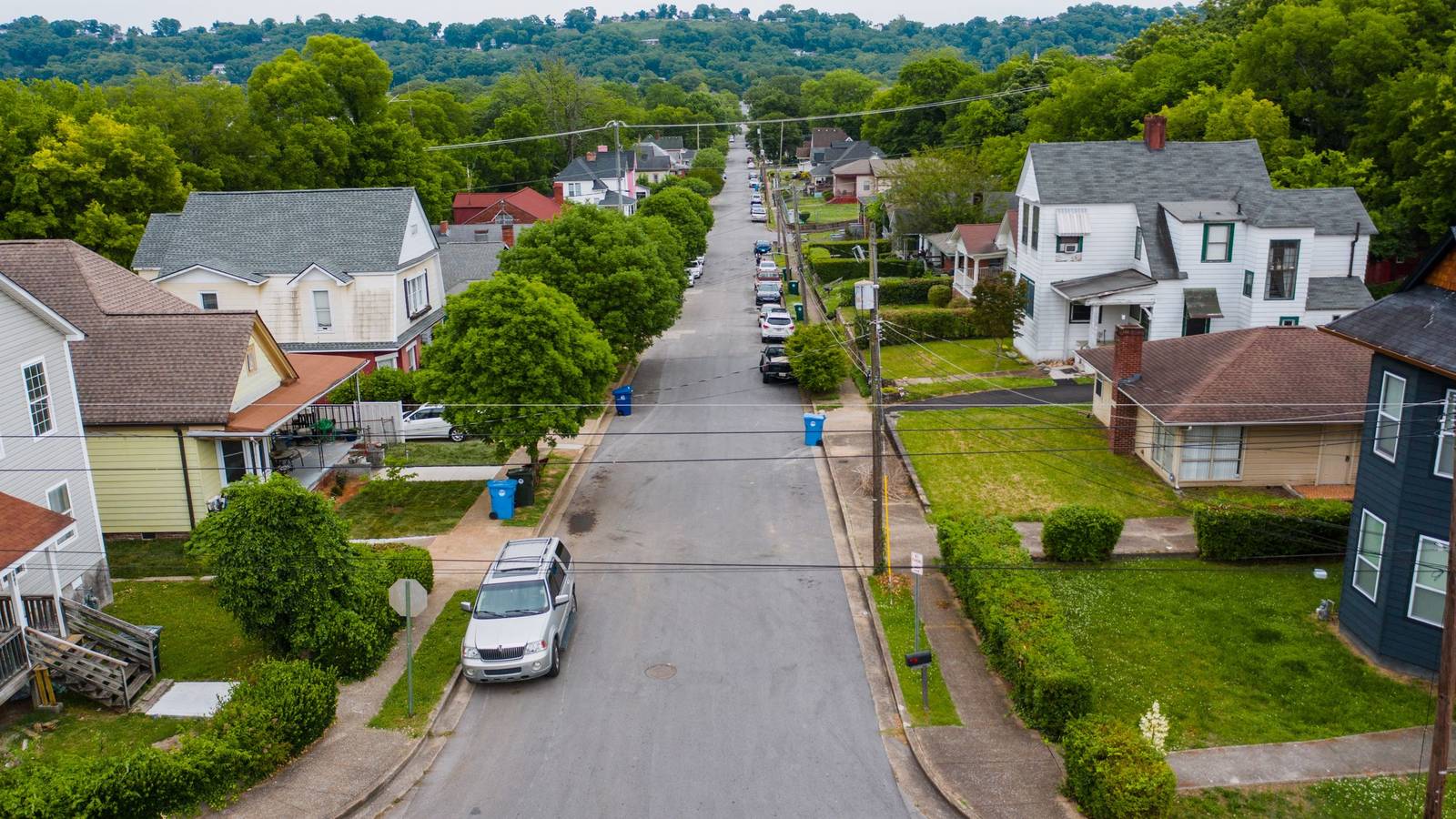
Circle prospecting means visiting the homes around a property you have just listed or just sold. The neighbors have a reason to care, because a home on their street is changing hands and its price is a useful comparison for their own. Visit the closest homes first, within a few days of the listing or the closing, and work outward. Bring a flyer about the property and a note for doors where nobody answers, and record the result at every door so that you can follow up.
This post is part of our guide to planning and running a canvassing campaign. For the words to use at the door, our post on real estate door knocking has scripts for a just-listed visit, a just-sold visit and an open house invitation, so this post does not repeat them.
Before you start
Follow your brokerage's policy and local rules
Ask your managing broker about the brokerage's policy on prospecting before your first circle. A policy can cover door-to-door visits, the materials you leave, what you may say about a listing or a sale, and how you identify yourself. Ask as well about mentioning a listing or sale that another agent handled, and check your MLS (multiple listing service) rules on that point.
Local rules can cover door-to-door visits and leaving flyers, such as permits or set hours, and they differ from town to town. Our post on whether door-to-door canvassing is legal explains how to find the rules where the property is. Respect "No Soliciting" signs and anyone who asks you not to come back.
Some agents also circle prospect by phone. Calls have their own rules, including the National Do Not Call Registry, so ask your brokerage first. This guide covers visits and flyers.
Agree with your clients on what you may share

Before you visit, agree with your sellers, and with your brokerage, on what you may share. For a listing, that usually means the price, the main features and the open house times. For a sale, ask whether you may mention the sale at all and whether you may share the price. If you represented the buyer, ask your brokerage and your client before you mention the sale. Never share why the sellers are moving, where they are going or anything about the buyers.
Draw the circle by distance only
Choose the homes in the circle by their distance from the property and the layout of the streets, and by nothing else. Every home inside the circle gets the same visit and the same materials. Never skip a home or a street because of who lives there or what you assume about them. Fair housing rules apply to your marketing, and your brokerage can explain them.
Who to visit
Think of the circle as three rings around the property, and decide how far each ring reaches before you go out.
- The closest neighbors. The homes on each side, the homes directly across the street, and the homes behind the property if they share a back lot line. These households see the sign, the open house traffic and the moving truck, so the listing affects them most directly.
- The rest of the block. Both sides of the street, out to the nearest corners.
- Nearby streets with similar homes. Homes of a similar age, size and style nearby, for which the sale is a fair comparison. In a subdivision, this ring can be the whole subdivision.
How many homes to include depends on your time and the streets. Example (planning assumptions): 12 homes in the first ring, 30 in the second and 60 in the third make a circle of about 100 homes. At about 20 doors an hour, the first two rings take about two hours and the third takes about three more. Time one hour on these streets before you plan around any number.
In a condominium or apartment building, follow the building's rules on visits. If the property is in your farm, the circle is an extra round on top of your regular schedule. Our post on real estate farming covers the year-round plan.
In what order
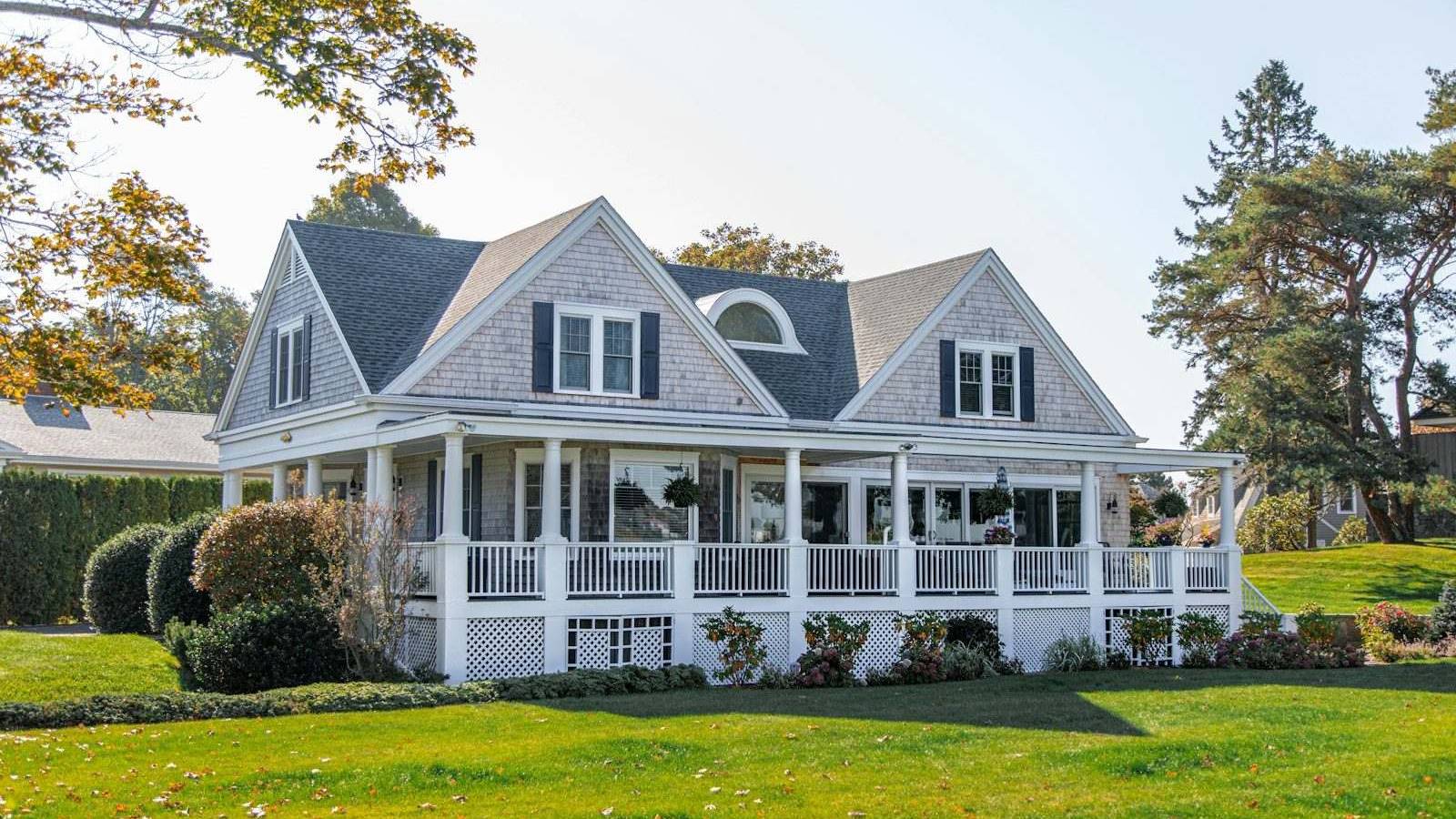
Closest homes first
Start with the first ring, then the second, then the third. If you run short of time, finish the outer ring on another day.
One listing, several visits
A listing can give you more than one reason to visit the same circle. Adapt this example sequence to your listing and your brokerage's policy:
- Just listed. Visit the first two rings within a few days of the listing going live.
- Open house. A few days before the open house, invite the first two rings in person or with a flyer at the door.
- Second pass. Return to doors where nobody answered on a different day and at a different time of day.
- Just sold. After closing, and with your sellers' approval, visit all three rings with the news.
- Follow-ups. Send what homeowners asked for within a day or two, and return when they asked you to.
For a sale you did not list, start at step 4 once your brokerage and your client have approved it.
What to bring
- A flyer about the property, with photos, the main features, and the price and open house times if your sellers agreed to share them. Include your name, your brokerage, your contact details and anything else your brokerage requires on printed materials.
- A note for doors where nobody answers, with your card attached. Our door hanger templates include layouts you can adapt.
- Business cards for the people you meet.
- A short list of recent nearby sales, if your brokerage allows it, for homeowners who ask what their home might be worth. Offer to prepare a fuller summary later instead of estimating a value at the door.
- A map or list of the circle, with each ring marked, so that you know where to stop.
- A charged phone. Tell someone at your office which streets you are walking and when you expect to finish.
Leave flyers and notes on the door handle or wedged in the door frame. Never put them in or on a mailbox. Federal law (18 U.S.C. 1725) restricts placing material without postage in a mailbox.
What to say, in brief
The scripts are in our door knocking guide. A few points apply to every circle visit:
- Open with the reason for the visit: the property, its address and what is happening there.
- Ask one question, and then listen.
- Answer what you are allowed to share, and offer to follow up on the rest.
- If a neighbor asks about the sellers or the buyers, explain politely that you keep your clients' details private.
How to record each door
Beacon / door screen
What a canvasser records at each door
- Contacted
- Not Home
- Refused
- Come Back
- Left Literature
- Moved
- Deceased
- No Access
One tap for the result, then, if it helps:
- A 1 to 5 rating of the person's support or interest.
- Survey answers to the questions you wrote for this walk.
- A note for whoever knocks on this door next.
- A follow-up appointment when someone asks you to come back.
Works without signal: results are saved on the phone and uploaded when the signal returns.
A circle helps you only if you follow up, and your records show whom to follow up with. Record each door before you walk to the next one:
- The result: whether you spoke with someone, nobody answered, or you left a flyer.
- What they asked for, such as the open house details, a list of nearby sales or a call when the home sells.
- Any interest in moving, in the homeowner's own words, with any time frame they gave.
- Requests not to return, so that nobody on your team knocks there again.
- The ring, so that you can compare results by ring.
Agree on short note words for the whole team, such as "open house", "sales list", "knows a buyer" and "do not return". Keep notes to the home and the homeowner's requests, and leave out personal details about the household.
After the circle, make a follow-up list from your records, and send what you promised within a day or two, using the contact method each homeowner chose. If the property is in your farm, keep these records with your farm records.
Circle prospecting in Beacon
In Beacon, a door-to-door canvassing app that you open on your phone, choose Real estate as your organization type when you sign up. Beacon then uses real estate words: the people on your team are Agents, the people you meet are Homeowners, the areas you cover are Farm Areas, the doors you walk are your Door List, and your talking points go in the Door Script. Each circle works like this:
- Create a campaign for the property. Name it by the address and the event, such as "412 Elm, just listed". One organization can hold several campaigns, so each circle keeps its own results.
- Draw the circle as Farm Areas. Draw the property's block as one Farm Area and the nearby streets as another, so that you can see how much of each part you have covered. On a team, assign each Farm Area to an agent.
- Add your Homeowners for the homes in the circle.
- Load the Door Script. Put your talking points and the details your sellers approved in the campaign's Door Script, so that every agent sees them at the door.
- Walk the Door List. When an agent downloads the Door List, the stops are in walking order by distance.
- Record every door. Choose from eight result buttons, including Not Home and Left Flyer, and then add a 1 to 5 rating and a short note with your agreed note words.
- Check coverage and follow up. Completion percentages show how much of each Farm Area is done, and Beacon offers heat views of the results. Export contacts and door results as a CSV or PDF file, and work through your follow-up list.
Every Beacon plan includes unlimited agents, and on every plan an agent who walks outside their assigned Farm Area sees a warning on their own phone. Our page on Beacon for real estate explains how agents and teams use it.
Common questions
What is circle prospecting in real estate?
Circle prospecting is visiting the homes around a property that has just listed or sold, starting with the closest neighbors, to share the news and learn who may want to buy or sell nearby.
How many homes should I include in a circle?
Include as many homes as you can visit within a few days of the listing or the sale. Start with the closest neighbors and the rest of the block, and add nearby streets with similar homes if you have time.
Draw your first circle
Choose your next listing or sale, mark its three rings, and knock the closest homes first. Try Beacon free for 14 days to set up the circle, walk the Door List and keep every result. The trial includes the Starter plan's features and needs no card.