Solar Door-to-Door Sales Strategies That Actually Work in 2026
Residential solar is growing quickly, and door-to-door sales is still the main way the industry's fastest-growing companies find new customers. Selling solar door to door has changed in the last five years, however. Homeowners know more, competition is stronger, and the representatives who succeed have a real strategy rather than only a script and a friendly manner.
This guide covers the solar door-to-door sales strategies that work in 2026.
Know Your Product Inside and Out
Homeowners think carefully about solar, because they are spending tens of thousands of dollars and making a 25-year commitment. They will have questions, and if you cannot answer them with confidence, you are unlikely to make the sale.
Every solar sales representative should know:
- Current federal and state incentives: The Investment Tax Credit, state rebates, SRECs (tradable credits for the solar power a home produces), and net metering policies (utility credit for extra power sent to the grid) in your territory
- Financing options: Loans, leases, PPAs (power purchase agreements, where the homeowner pays only for the power produced), and how monthly payments compare with current electric bills
- System sizing basics. How to estimate system size based on roof area and electricity usage
- Equipment differences: Panel efficiency ratings, inverter types, and warranty terms
- The installation process. The time from a signed contract to a working system
You do not need to be an engineer, but you should be able to answer the 20 most common homeowner questions without hesitation.
Territory Selection and Qualification
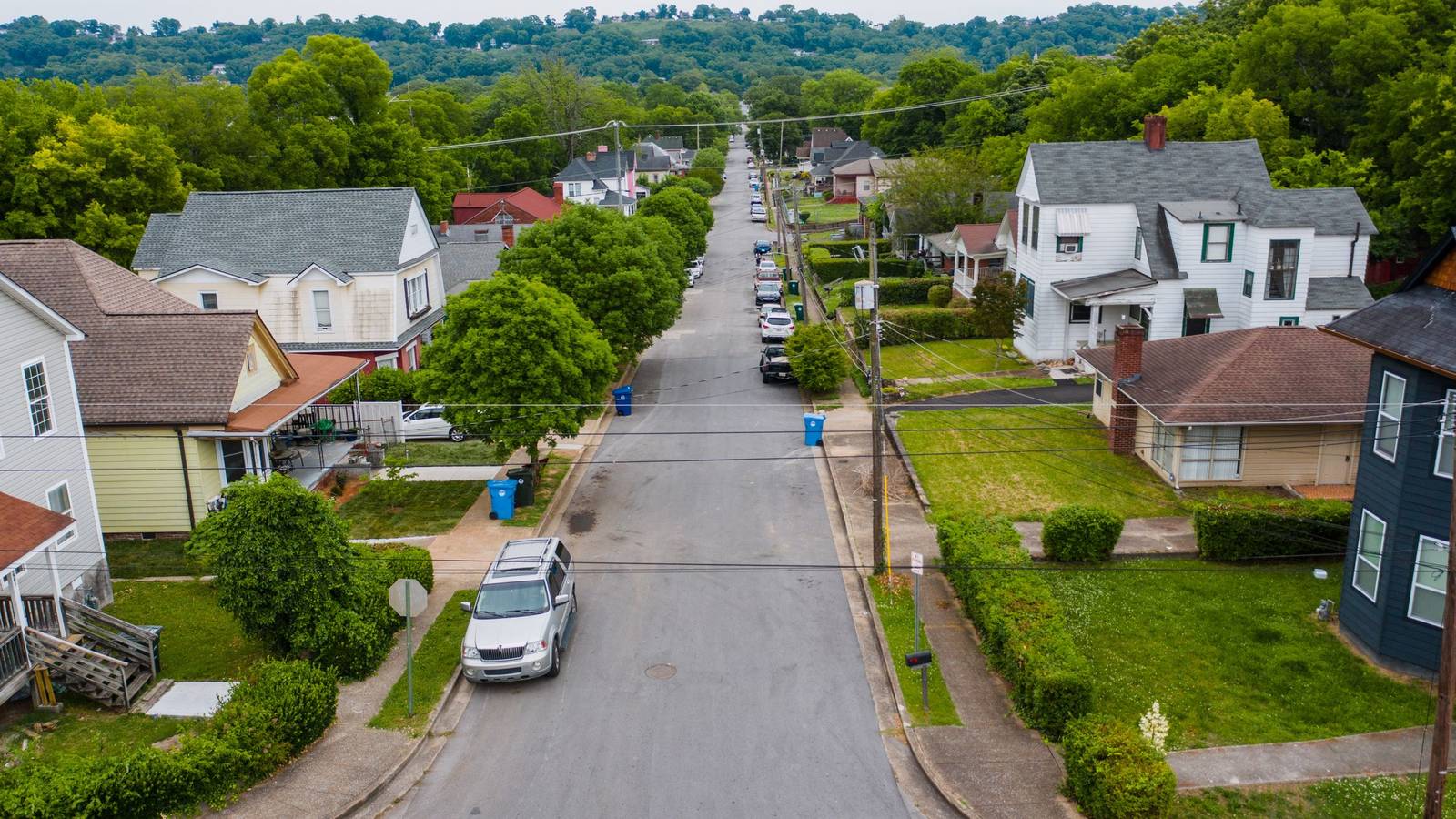
Not every neighborhood is a good place to sell solar. Before you start knocking, check the area for these factors:
Roof Orientation
South-facing roofs produce the most energy. Drive through the neighborhood first and note which homes have roofs facing the right direction. Skip homes with heavy tree shade or roofs that face only north.
Home Value and Age
Solar saves the most for homeowners with higher electricity bills, and those tend to be larger homes. Older roofs may need replacement before solar can be installed, which can be either an obstacle or a chance to sell both jobs together.
For the wider picture, read how door-to-door sales teams operate.
Homes That Already Have Solar
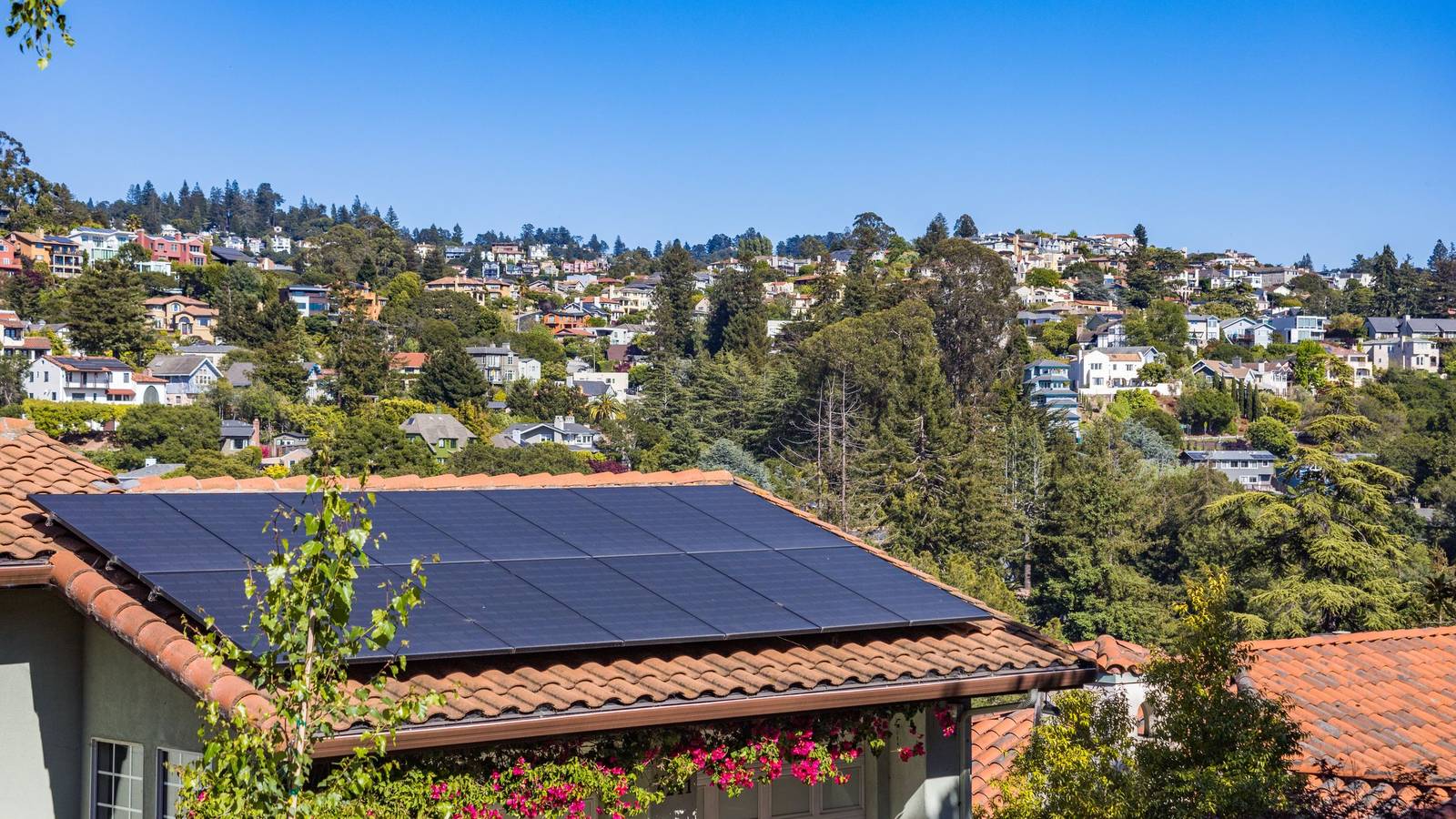
Neighborhoods where some homes already have solar are often easier to sell in. Panels on nearby roofs show homeowners that their neighbors have chosen solar, which makes the conversation easier. Panels on a street are a good sign.
Using a tool like Beacon to map and manage your territories helps you focus on the most promising areas instead of neighborhoods where few homeowners will buy.
Opening the Conversation
The first 10 seconds decide whether the homeowner talks with you or closes the door. Avoid an aggressive, high-energy opening. Homeowners today respond better when you act as an adviser:
- Introduce yourself and your company. "Hi, I'm [Name] with [Company]. We're a local solar installer."
- Reference something specific. "I noticed your neighbor at [address] just went solar" or "Your roof looks like it gets great sun exposure."
- Ask a question. "Have you ever looked into what solar would cost for your home?" or "Do you know about the federal tax credit that's available right now?"
The goal is to start a conversation rather than to deliver a sales pitch. Let the homeowner talk, because their answers tell you how to approach the rest of the conversation.
Handling the Most Common Objections
"It's too expensive"
Move the conversation from cost to savings. "What's your current monthly electric bill? Most of our customers pay less for their solar payment than they were paying the utility company. You're already paying for electricity. Solar just lets you pay less."
"I'm going to wait"
Use facts, not pressure, to explain why timing matters. "Federal and state solar incentives have changed recently, so let me show you what applies to your home today. Utility rates have also gone up an average of 3 to 5% per year. Every month you wait, you're paying more for electricity and potentially getting a smaller tax credit."
"I need to talk to my spouse"
Accept this and offer to help arrange it. "Absolutely, this is a big decision. Can we schedule a time when you're both home so I can walk through the numbers together? That way your partner can ask questions directly."
"I'm renting"
Politely move on, but ask for a referral. "No problem. Do you know if the homeowner has considered solar? And do you know any homeowners in the neighborhood who might be interested?"
Time Management in the Field
The best solar representatives use their time very carefully:
- Knock during peak hours. Weekday evenings (4 to 7 PM) and Saturday mornings (10 AM to 1 PM) have the highest contact rates (the share of doors where someone answers) for residential solar
- Spend no more than 5 minutes at a door. Your job at the door is to find out whether the homeowner is interested and book an appointment, not to complete the sale on the doorstep
- Track everything: Record every conversation so you know which doors to revisit, which leads to follow up with, and which areas are producing results
- Plan your route. Work through your territory in order instead of picking only the houses that look best
Beacon's GPS tracking (on the Growth plan and up) and route planning features help solar teams knock on more doors per hour. Managers can see field activity as it happens and make sure representatives cover their territories efficiently.
Following Up Effectively

Most solar sales are not made on the first visit, so follow-up often decides the outcome:
- Prompt follow-up. Send a text or email within a few hours of the conversation, while the homeowner still remembers you
- Provide a custom proposal. Use satellite imagery and the homeowner's electricity data to create a personalized savings estimate
- Several follow-ups: Follow up at least 3 to 5 times in different ways (text, email, phone, and a return visit)
- Offer something useful each time. Rather than simply "checking in," share a relevant article, a neighbor's experience, or an update on incentive deadlines
Building a Steady Source of Referrals
Your best leads come from existing customers. After every installation, ask for referrals and offer a referral bonus. When you canvass a street where you have already installed a system, mention it first: "We just installed a system for the Johnsons down the street. They're saving $150 a month."
Seeing that neighbors have chosen solar is the most persuasive factor in solar sales. A well-organized canvassing program with tools like Beacon helps you track which neighborhoods have existing customers, so you can build on those relationships when you knock on nearby doors.
For this part of the work, Beacon offers canvassing software for solar sales teams.