Roofing Sales Door-to-Door: Best Practices for Storm and Retail Canvassing
Roofing is one of the largest door-to-door sales industries in America. After every hailstorm, teams of canvassers visit the affected neighborhoods to offer free inspections. Door-to-door roofing sales is not limited to storm damage, however. Retail canvassing, which means selling replacements for aging roofs, is a year-round opportunity for companies that do it well.
This guide covers the practices that the most successful roofing canvassers follow.
Storm Canvassing vs. Retail Canvassing
Storm Canvassing
After a significant hailstorm or windstorm, roofing companies move quickly to canvass the affected areas. The pitch is simple: "Your roof may have storm damage. We offer free inspections, and if there's damage, your insurance may cover a full replacement."
Storm canvassing advantages:
- Homeowners have a clear, immediate reason to talk with you
- Insurance often covers the full cost, reducing price objections
- High urgency, because damage must be documented before the insurance claim deadline
- Damage across the whole neighborhood means every door is a potential customer
Retail Canvassing
Retail roofing sales target homeowners who need a new roof because of age, wear, or appearance rather than an insurance claim. This work is harder, but it builds a steadier business that does not depend on storms.
Retail canvassing advantages:
- Available year-round, not dependent on storms
- Higher profit margins (no insurance company negotiating prices down)
- Builds long-term customer relationships for future work
- Less competition from storm-chasing companies (crews that travel from storm to storm)
Territory Strategy for Roofing
Storm Territories
After a storm, speed matters. Use hail maps and damage reports to find the hardest-hit areas and send canvassers there right away. The first company to knock on doors and schedule inspections has a large advantage, because homeowners typically choose the first roofer who gets on their roof.
For the wider picture, read the door-to-door sales guide.
Retail Territories
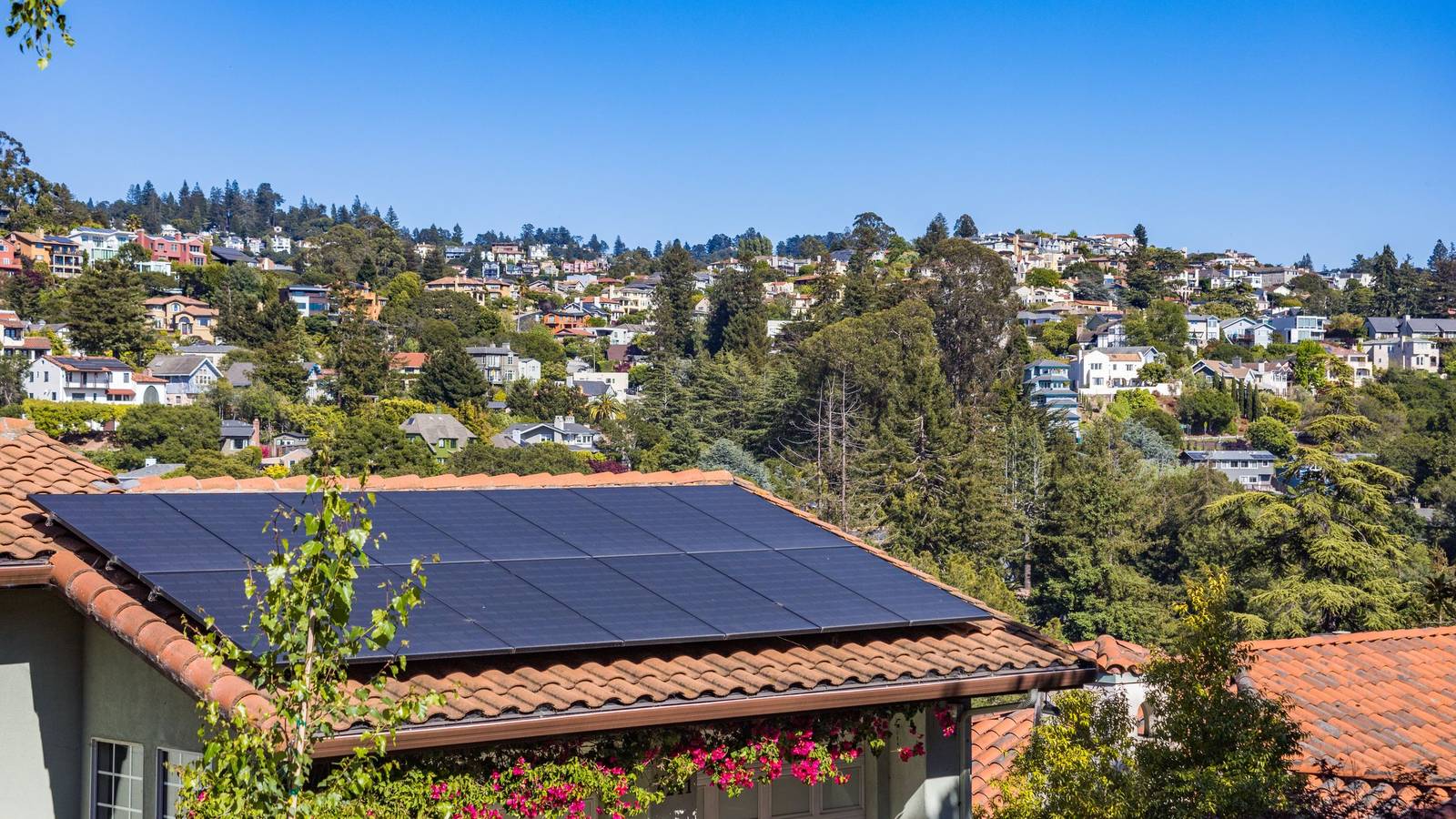
For retail canvassing, target neighborhoods with aging roofs. Most asphalt shingle roofs last 20 to 25 years, so focus on subdivisions built 15 to 25 years ago, where many roofs are nearing the end of their life at the same time.
With Beacon, you can map and track territories so your canvassers reach the right neighborhoods at the right time. On the Growth plan and up, GPS tracking also lets managers confirm that representatives are out knocking on doors and not sitting in their trucks.
The Roofing Door-to-Door Script
Storm Script
"Hi, I'm [Name] with [Company]. We're a local roofing company. We've been inspecting roofs in the neighborhood after last week's storm, and we've found damage on several homes on this street. Have you had your roof inspected yet?"
If they say no: "We offer completely free inspections with no obligation. We'll get up on the roof, document any damage with photos, and show you exactly what we find. If there's no damage, we'll tell you that too. I'm available [specific time]. Does that work for you?"
Retail Script
"Hi, I'm [Name] with [Company]. We're a local roofing company that's been serving [area] for [years]. I noticed your roof looks like it's the original from when the home was built. Is that right? We're offering free roof assessments in the neighborhood this week. I can tell you exactly how much life your roof has left and what your options are when it's time to replace. Can I schedule a quick assessment?"
Booking the Free Inspection
In roofing, the sale is made during the inspection, not at the door. Your job at the door is to schedule the inspection. Everything else, including presenting findings, discussing options, and completing the sale, happens at the inspection appointment. Keep the conversation at the door focused on booking it:
- Emphasize that the inspection is free and carries no obligation
- Offer specific times rather than asking when they are free
- If the person who makes the decision is not home, try to schedule a time when they will be, because the homeowner needs to be present at the inspection
- Leave a door hanger with your information at homes where no one answers
Building Trust at the Door
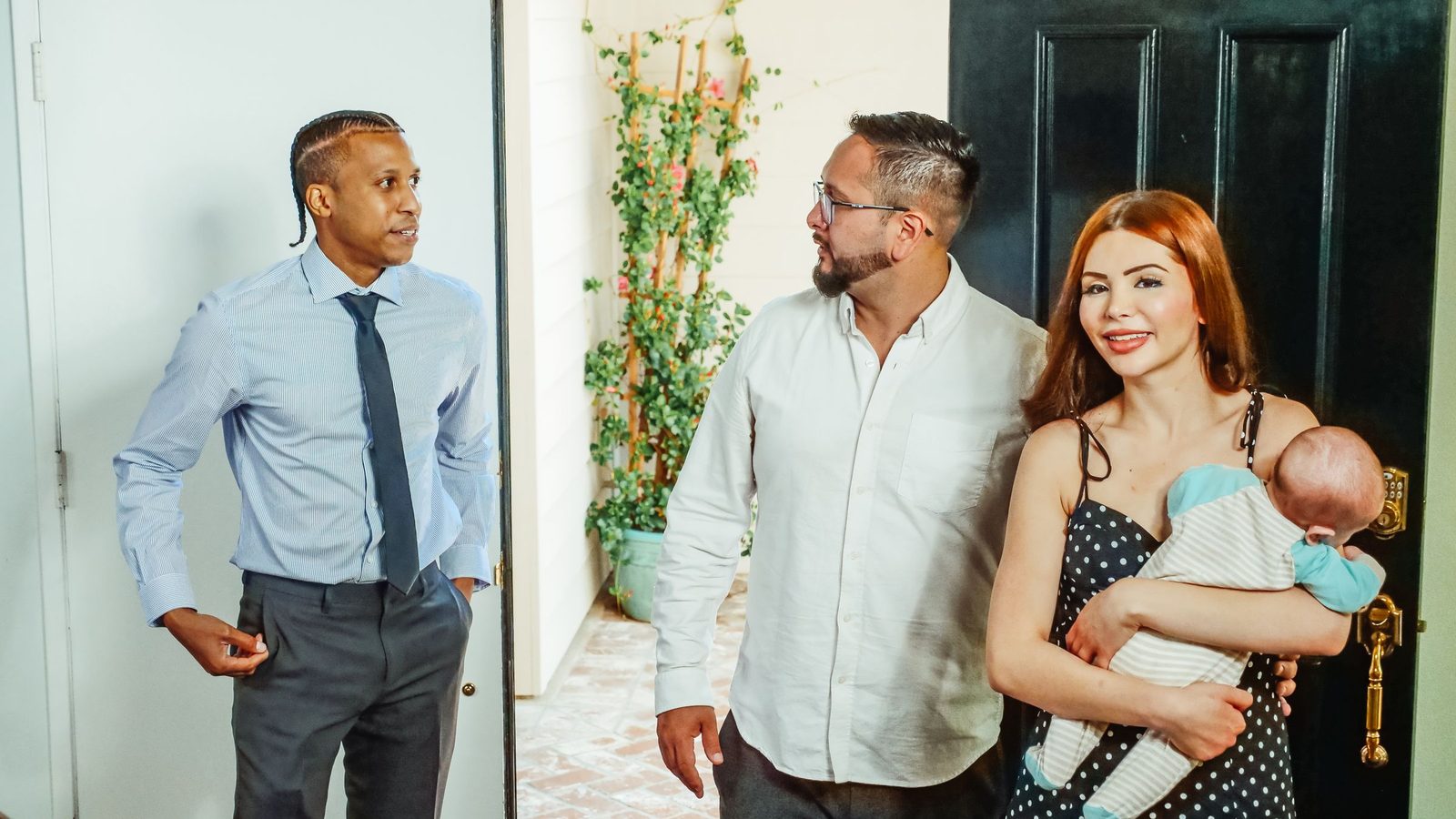
Many homeowners distrust door-to-door roofers, because some storm-chasing companies have done poor work and then disappeared. Set yourself apart by:
- Wearing branded gear: A company shirt, hat, and ID badge show that you are a professional
- Referencing local work. "We just completed a roof two streets over for the Martinez family" builds trust
- Providing credentials: Mention licenses, insurance, manufacturer certifications, and years in business
- Offering references. "I can give you three homeowners on this street who we've worked with" is very persuasive
- Not being pushy. Aggressive tactics confirm homeowners' worst fears. Focus on advising the homeowner rather than pressing for a sale
Handling Roofing-Specific Objections
"I already have a roofer coming"
"It's smart to get more than one opinion. We always recommend that homeowners get at least two or three estimates. Our inspection is completely free, and a second opinion can only help. Would [time] work for a quick look?"
"My roof is fine"
"It may well be. Storm damage isn't always visible from the ground, though. Hail damage to shingles can cause leaks that don't show up for months. A five-minute inspection gives you peace of mind, and if everything looks good, I'll tell you exactly that."
"I'm worried about insurance rates going up"
"That's a common concern. Filing a legitimate storm damage claim typically doesn't affect your rates. Your roof was damaged by an act of nature, not negligence. And if you don't file the claim and the damage worsens, the repair cost comes out of your pocket."
Post-Storm Canvassing Timeline
- Days 1 to 3. Go to the hardest-hit areas immediately, because the first company to arrive has a real advantage. Focus on booking inspections rather than completing them.
- Days 4 to 7. Continue canvassing while your inspection team starts working through scheduled appointments.
- Weeks 2 to 3. Return to homes where no one answered. Many homeowners who were away during the first round are still likely customers.
- Week 4 and later. Follow up with homeowners who said no at first. As they see neighbors getting new roofs, they become more open to the idea.
Record every conversation in Beacon so your team knows which doors have been knocked, which inspections are scheduled, and which homeowners need follow-up. In the busy weeks after a storm, staying organized is what makes the season profitable.
For this part of the work, see Beacon for home services teams.