Rural Canvassing Strategies: Reaching Voters and Customers in Spread-Out Communities
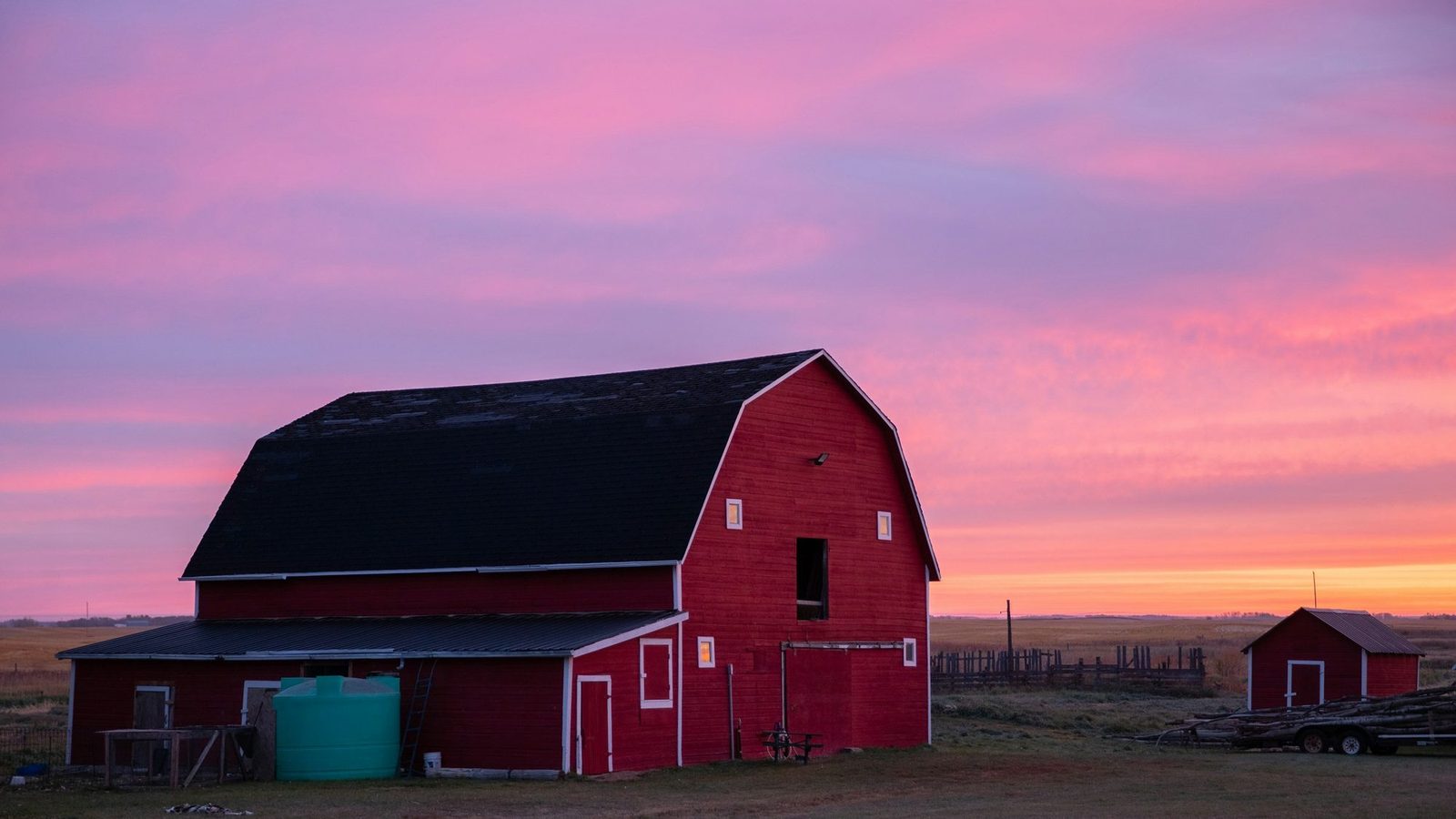
Most canvassing advice assumes a suburban or urban area where doors are close together, sidewalks connect neighborhoods, and cell service is reliable. Rural canvassing is very different. Homes can be miles apart, driveways are long, and cell service is unreliable. The way residents relate to their neighbors, and to visitors at the door, is also different.
Organizations that learn to canvass rural areas well can reach communities that competitors often ignore. This guide explains how.
The Unique Challenges of Rural Canvassing
Distance Between Doors
The main challenge is that homes are spread far apart. In a suburban neighborhood, canvassers might walk 30 seconds between doors. In rural areas, the next door might be a quarter mile or more down the road, which means far fewer contacts per hour unless you adapt your approach.
Limited Cell Service
Many rural areas have weak or no cell signal, so canvassing apps that need a constant connection will stop working. You need tools that work offline and upload your records once service returns.
Long Driveways and Property Boundaries
Rural homes often sit at the end of long driveways. Walking up a 200-yard driveway to knock on a door, and then walking back, takes significant time. Some properties have gates, no-trespassing signs, or dogs that make access difficult.
Different Community Dynamics
Rural communities are often close-knit. Residents know their neighbors and are more wary of outsiders, but they also value personal relationships more than suburban residents do. As a result, a friendly welcome takes more effort to earn, but a good conversation has a greater effect.
Adapting Your Approach
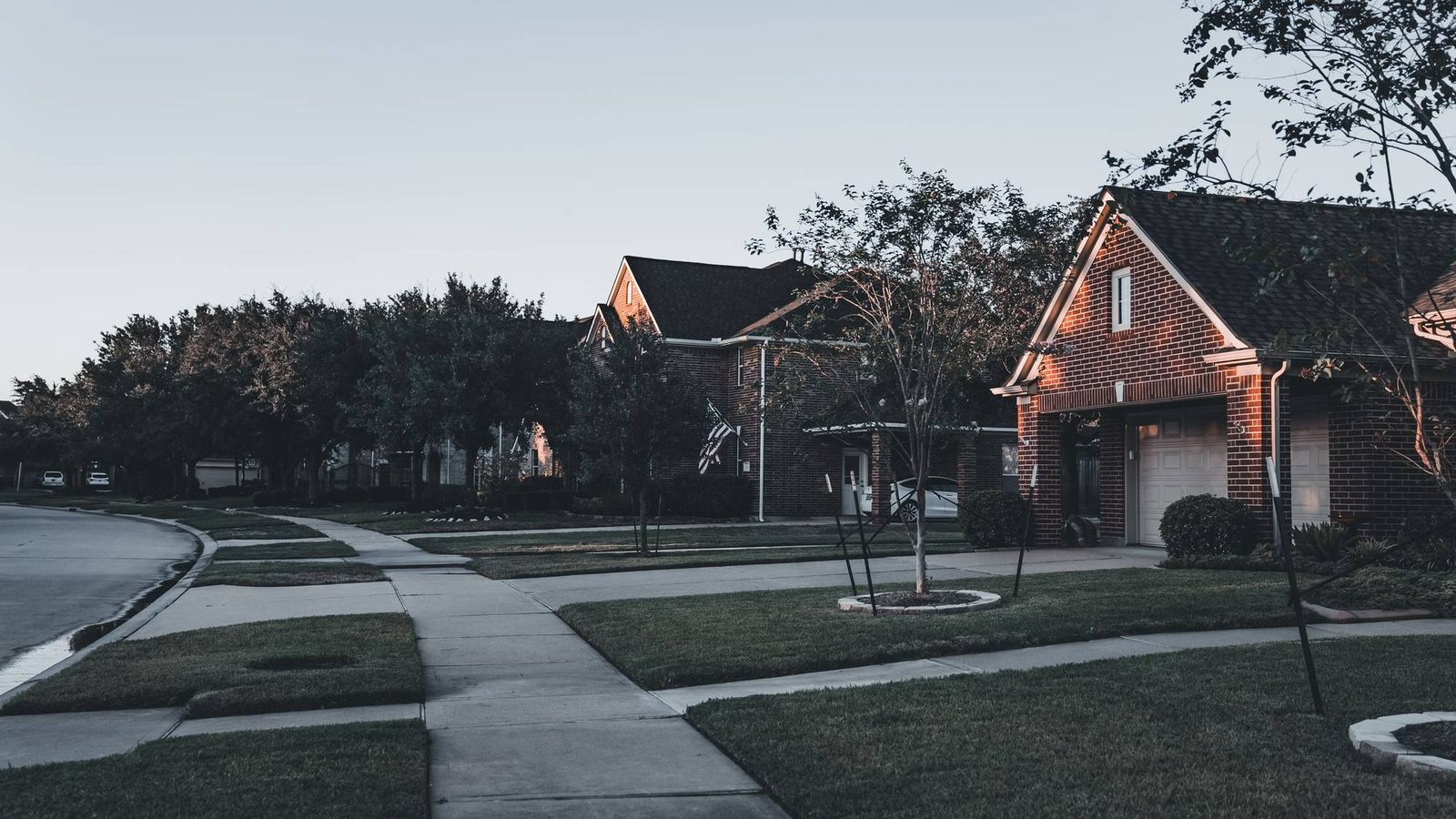
Drive-and-Knock Instead of Walk-and-Knock
In rural areas, canvassers typically drive between homes rather than walk. This requires a different territory design:
For the wider picture, read the fundamentals of canvassing.
- Territories are defined by roads and routes rather than walkable blocks
- Plan driving routes that minimize backtracking
- Allow more time per territory for driving between doors
- Ensure canvassers have reliable transportation and fuel reimbursement
Meeting People Where the Community Gathers
In rural areas, the places where people gather matter more than individual doors. Consider adding time at these places to your door-to-door canvassing:
- General stores and gas stations where everyone shops
- Churches and community centers
- Local diners and coffee shops
- Farmers' markets, county fairs, and community events
- Post offices (conversations in the parking lot, not inside)
These locations let you talk to many community members in one spot rather than driving to each one individually.
Adjust Your Expectations
Urban canvassers might reach 20 to 25 doors per hour. In rural areas, 8 to 12 contacts per hour is realistic once drive time is included. Adjust your targets, and do not judge rural canvassers by suburban standards.
Territory Design for Rural Areas
Designing rural territories is different from cutting suburban turf, which means dividing a neighborhood into the sets of doors assigned to each canvasser:
- Route-based design. Design territories along roads rather than as geographic areas. A good rural turf follows a logical driving route that reaches all target addresses along connected roads.
- Longer shifts. Because driving takes up so much of each shift, consider longer shifts (4 to 5 hours) for rural canvassing to make the most of each trip.
- Cluster when possible. Group nearby addresses together. If there are five target homes within a half-mile stretch, visit them all before driving to the next group.
- Account for road quality: Dirt roads, seasonal roads, and roads without turnaround space all affect route planning. Don't assume Google Maps is accurate for rural roads.
Beacon's territory tools work for rural canvassing because territories can be drawn at any size, from dense city blocks to long rural routes. Its offline mode is especially useful where cell service is limited. Canvassers can record results without a signal, and the app uploads them once they are back in range.
Rural Conversation Tips

Lead with Local Connection
Rural residents are more open to people with local ties. If you or your organization has any connection to the community, mention it first: "I'm from [nearby town]" or "We've been working with several families on [road name]." Being seen as an outsider is the biggest obstacle in rural canvassing.
Allow Longer Conversations
Rural residents who stop to talk often want a longer conversation than suburban residents do, so plan for it. A five-minute conversation that builds a real connection is worth more than three rushed one-minute contacts.
Respect Property Boundaries
Rural residents take property boundaries seriously. Never walk across someone's field to save time getting to the next house. Stick to driveways and public roads. If a gate is closed, do not open it. Instead, try to reach the resident by phone or leave materials at the gate.
Know the Issues
Rural communities have different concerns than urban ones. For political campaigns, understand local issues: agriculture policy, broadband access, healthcare access, school consolidation, property taxes. For sales teams, understand rural-specific needs: well water treatment, propane versus natural gas, satellite internet, agricultural pest control.
Safety in Rural Areas
Rural canvassing raises its own safety concerns:
- Let someone know your route. In areas without cell service, your team may not be able to reach you. Leave a detailed route plan with your captain.
- Carry supplies: Water, snacks, a first aid kit, and a phone charger. You may be far from any convenience store.
- Watch for hazards: Unpaved driveways, loose animals, electric fences, and rough ground all present hazards not found in suburbs.
- Have a vehicle plan. Know what to do if your car gets stuck or breaks down. Carry basic emergency supplies in the vehicle.
- Respect posted signs. "No Trespassing" signs in rural areas should be taken seriously. Skip those properties.
Making Rural Canvassing Worth the Investment
Rural canvassing produces fewer contacts per hour than suburban canvassing, but it can still be worth the investment because:
- Less competition. Most canvassing programs focus on dense areas, so rural voters and customers receive far fewer door knocks and each visit has more effect.
- Stronger word of mouth. In close-knit communities, a good conversation with one person can reach many others as neighbors talk.
- Higher contact quality. Rural residents who engage tend to be more sincere and more likely to follow through on what they agree to do.
- Strategic importance. In close elections, rural votes are important. In service businesses, rural customers often have larger properties and need more service.
Rural canvassing requires adjustment, patience, and respect for the communities you visit. Organizations that take the time to do it well often find it is one of their most productive ways to reach people, when measured by the quality and effect of each conversation as well as by contacts per hour.
For this part of the work, Beacon offers offline canvassing that keeps working without cell signal.