Door-to-Door Marketing for Local Businesses

Door-to-door marketing means reaching households or businesses at their own doors, either in person or with printed material left behind. For a local business whose customers live nearby, it is one of the few kinds of marketing that can be aimed at specific streets, and it is one of the few where a person can answer questions on the spot.
This post covers the main kinds of door-to-door marketing, when each one works, how to plan a campaign, the rules to check before you start, and how to measure the results. For running door-to-door selling as a full program, see door-knocking as a sales channel.
What door-to-door marketing includes
Door-to-door marketing usually takes one of four forms. Many businesses combine two or more.
- Literature drops. Staff or volunteers leave a flyer or postcard at each door on a route, usually without knocking. A literature drop, often called a lit drop, covers many doors in a short time.
- Door hangers. A card shaped to hang on the door handle, which stays visible until someone takes it inside. Door hangers are often used for a "sorry we missed you" message after a knock.
- Canvassing. A person knocks, introduces the business and has a short conversation. It takes longer than a literature drop but can answer questions and set appointments.
- Offers and samples. A visit tied to something the resident can use right away, such as a free inspection, an estimate or an invitation to an opening.
Our door hanger templates include wording you can copy for sales and home services businesses.
When door-to-door marketing works

Door-to-door marketing tends to work when most of these are true.
- The business serves a defined local area, so every door on the route is a possible customer.
- The need is tied to the home, such as lawn care, roofing, pest control, cleaning or a nearby restaurant.
- There is a reason to act now, such as a new location, a seasonal service or crews already working on the street.
- The offer is simple enough to explain on a card or in a minute at the door.
It works less well for products with no connection to the home, for customers spread across a wide region, or for a message that needs a long explanation. In those cases, other marketing usually reaches people at a lower cost.
Planning a door-to-door campaign
- Choose the area. Start with the streets closest to your best existing customers, or the streets where your crews already work. A small area worked well teaches more than a large area worked once.
- Choose the method. A literature drop for reach, a canvass for conversations, or a drop followed by a canvass a week later.
- Write one message and one offer. A card with five messages is read as none.
- Give people one way to respond that you can track, such as a phone number, a short web address or a code used only for that campaign.
- Time it. Plan drops and knocks for the days and hours when people are home and the season when the service is needed.
- Staff it. Decide who walks, how many doors each person covers, and how each door is recorded.
If you add in-person canvassing, our post on what canvassing means in sales explains how a canvassing day is run and measured.
Combining methods on one route
The methods work well together when they are planned as one campaign rather than separate efforts. Three common combinations are these.
- Canvass first, door hanger second. Knock every door on the route, and leave a door hanger at the doors where nobody answers, with a short handwritten note and the same offer the canvasser would have made in person.
- Literature drop first, canvass later. Leave a flyer on every door, then knock on the same doors a week later. The second visit starts with something the resident may already have seen.
- Canvass around a job. When a crew is working at one house, knock on the neighboring doors that day and mention the work, since neighbors can see it for themselves.
Whichever combination you use, record what happened at each door, so the second visit goes to the doors that did not get a conversation the first time.
Rules to check before you start
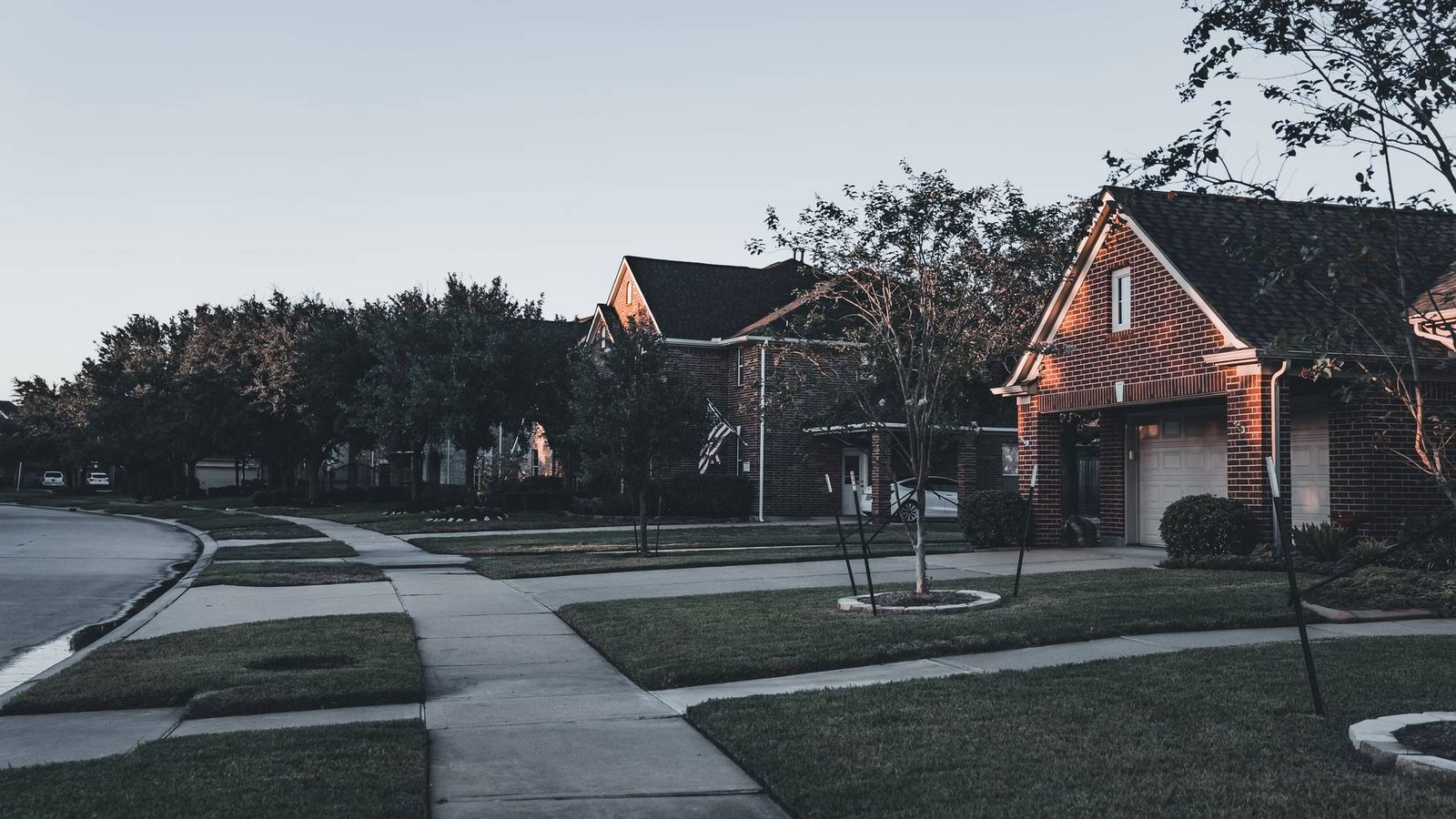
Door-to-door marketing for a business is commercial activity, and towns regulate it more closely than political or charitable canvassing. Check these before the first drop.
- Permits. Many towns require a permit or registration for door-to-door sales or for commercial distribution of flyers, sometimes for each person who walks.
- Signs. Some towns require distributors to honor "No Soliciting" or "No Handbills" signs. Honoring every sign is the courteous choice in any case.
- Hours. Many towns set the hours when soliciting is allowed.
- Mailboxes. Never put a flyer in a mailbox. Federal law, at 18 U.S.C. 1725, makes it an offense to put unstamped mailable matter in a mailbox to avoid paying postage. Leave material at the door instead.
- Sales at the door. If your team takes orders at the door, the Federal Trade Commission's Cooling-Off Rule generally gives buyers until midnight of the third business day to cancel home sales of $25 or more.
Rules are set locally and differ between neighboring towns, so call the clerk's office for each town on your route. Our canvassing compliance guide explains how to keep the answers where the person planning the routes will see them.
Measuring the results
Door-to-door marketing is easy to measure if you plan for it before the first door.
- Record which streets got which method, and when. Without this, you cannot tell which drop produced which calls.
- Use a response channel for each campaign, such as a separate phone number, web address or offer code, so responses can be traced to a route.
- Count responses by area, then compare areas and methods. A street that produced three customers is worth another visit before a street that produced none.
- Compare the cost of each customer across methods, including the hours spent walking and the printing.
How Beacon helps with door-to-door marketing
Beacon keeps a record of every door your team visits. A campaign can be set up as a literature drop, and the person walking records Left Literature at each door, or the result of the conversation when someone answers. Routes are drawn as territories on a map, each person gets a walk list ordered by street, and results are saved on the phone without cell signal and uploaded when the signal returns. Managers can see results in an activity feed as they are recorded, and the door history can be exported to a spreadsheet to compare streets. See Beacon for home services teams for how local service businesses use it.
Common questions
What is door-to-door marketing?
Marketing that reaches households or businesses at their doors, through literature drops, door hangers, in-person canvassing or offers delivered in person.
Is door-to-door marketing legal?
Generally, yes, but towns regulate commercial door-to-door activity. Check local permit, sign and hours rules, and never put material in a mailbox.
Does door-to-door marketing work?
It can, for businesses whose customers live nearby and whose service is tied to the home. Use a separate phone number, web address or code for each campaign so you can measure the response yourself.
What is the difference between a lit drop and a door hanger?
A door hanger is one kind of printed piece, made to hang on a door handle. A lit drop is the activity of leaving printed material at every door on a route, which may use door hangers, flyers or postcards.
Plan your first route
Choose a small area near your best customers, pick one method and one offer, and record every door. Try Beacon free for 14 days and see which streets respond.