Church Outreach Ideas: How to Plan Neighborhood Visits
A neighborhood outreach visit is a short, friendly call at a neighbor's door to introduce your congregation, share an invitation or ask how you can help. To plan one, choose a single goal, pick the areas around your building, recruit volunteers to visit in pairs, and write a short visit script. Agree in advance on what volunteers will and will not say, follow up only in the way each neighbor agrees to, and keep a record of every visit.
The record helps keep two volunteers from knocking on the same door, and it helps you respect anyone who asked not to be visited again. This guide is written for churches, but the plan works for a synagogue, mosque, temple, gurdwara or any other faith community. Our guide to planning and running a canvassing campaign covers each step in more depth.
Outreach visit ideas
Choose one kind of visit for each round, so that volunteers can explain the reason for their visit in a sentence.
- Welcome visits. Greet neighbors who have recently moved in, and leave a card with your address and a way to reach you.
- Invitations. Invite neighbors to a holiday service, a concert, a children's program or a community meal. Our guide to invitation card and door hanger wording has text you can copy for these.
- Introductions. A new or relocated congregation can introduce itself to the homes nearby.
- Listening visits. Ask neighbors one question, such as what they would like to see more of in the neighborhood, and listen. The answers help a congregation decide how it can serve the area.
- Offers of help. Let neighbors know about a free meal, a coat giveaway, or volunteers who can help older residents with leaves or snow.
- Courtesy notices. Before a festival or a construction project that affects parking, tell the nearest homes what to expect and whom to call.
Step 1: Choose one goal

Give each round of visits one goal that you can count. Count what your volunteers do, never the decisions your neighbors make. A goal such as "visit every home within six blocks of the building before Christmas and offer an invitation to the Christmas Eve service" is clear to every volunteer and easy to check.
Useful numbers include the homes visited, the conversations held, the invitations left and the neighbors who asked for something more, such as a schedule. Avoid goals built on promises, such as the number of families who say they will attend, because a goal like that pushes volunteers to press for an answer.
Step 2: Choose your areas
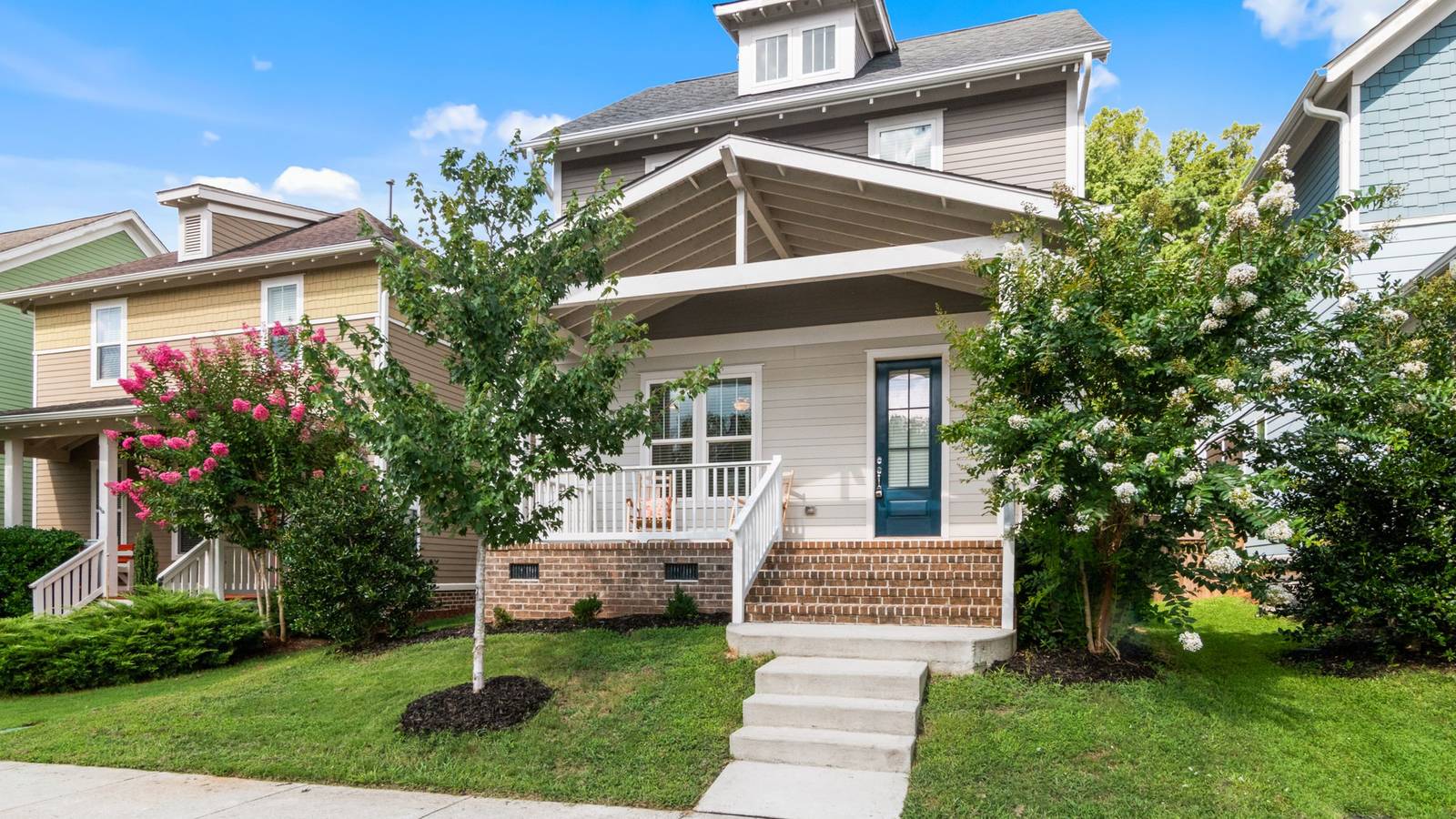
Start close to your building. The households within walking distance are the easiest for volunteers to reach, and they share the neighborhood with you every day.
Divide the neighborhood into areas that one pair can finish in one visit session. Example (planning assumption): a pair that stops to talk at some doors might visit 20 to 30 homes in a two-hour session. Time your own first session and adjust the size of the areas from there.
Check your local rules before the first visit, because rules on door-to-door visits, such as permits or hours, differ from one city or county to the next. Our post on whether door-to-door canvassing is legal explains what to look for and whom to ask. Whatever the local rules say, skip every home with a "No Soliciting" or "No Trespassing" sign, and do not enter locked apartment buildings without permission from the building's management.
Step 3: Recruit and prepare volunteers
Send volunteers in pairs, each with at least one experienced person, and give everyone a name tag with your congregation's name.
Before the first visit day, hold a training session of about an hour on the visit script, what to say and not say, safety, and recording each visit. Practice the script aloud in pairs, including how to end a visit politely when a neighbor is busy or not interested.
If young people take part, follow your congregation's safeguarding policy. Youth volunteers should always visit with an adult.
Step 4: Write a short visit script
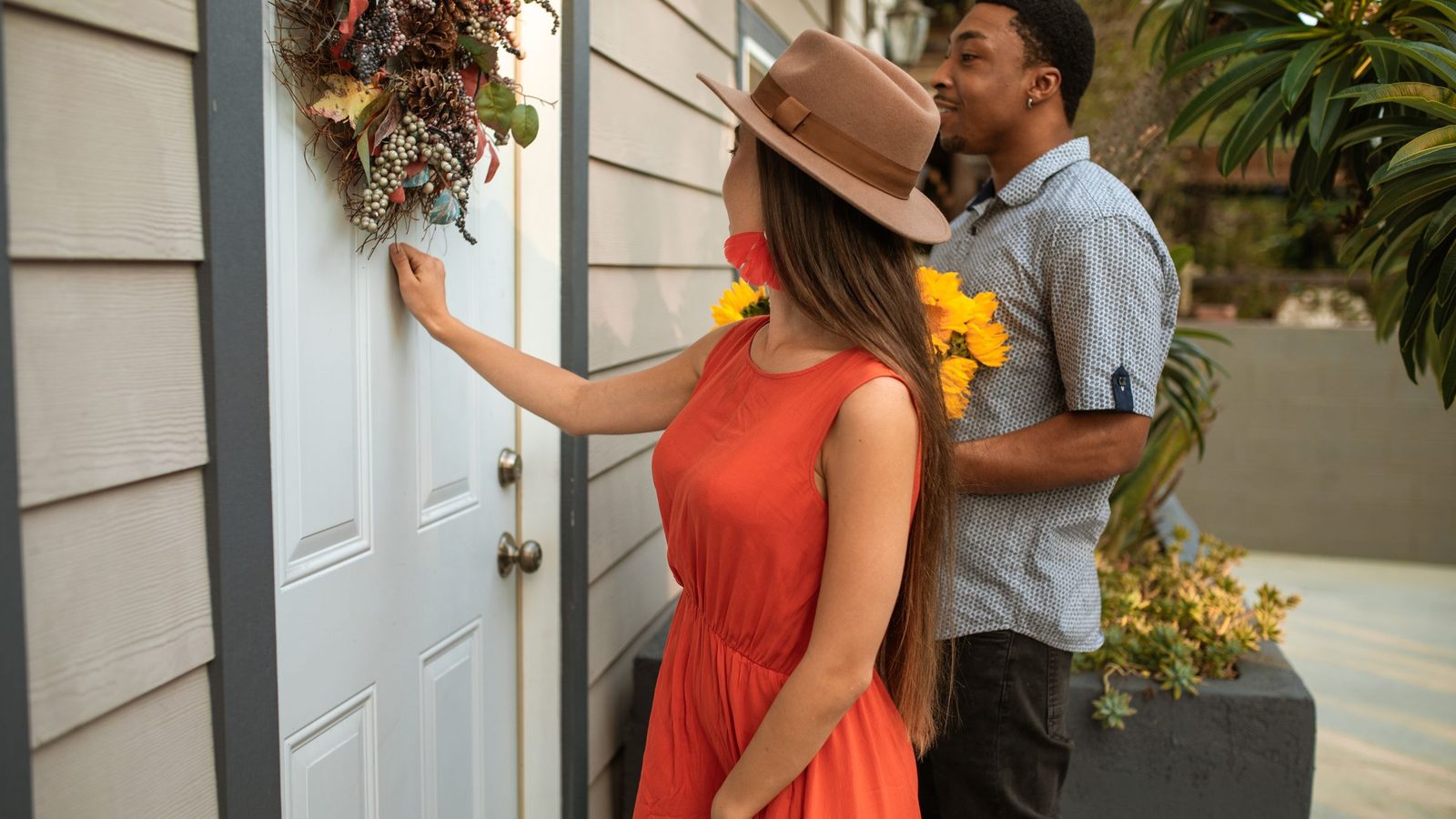
A visit script is a short guide to the conversation. It should name the volunteers and the congregation, give the reason for the visit in one sentence, make the invitation or offer, and end with thanks. Volunteers should know it well enough to say it in their own words.
An invitation visit:
Hi, I'm [Name], and this is [Name]. We're from [Congregation] on [Street]. We're visiting our neighbors to let you know about [event] on [day and date]. Everyone is welcome, and this card has the details. Thank you for your time.
A listening visit:
Hi, I'm [Name] from [Congregation], just down the street. We're getting to know our neighbors and asking one question: is there anything you would like to see more of in the neighborhood?
When a neighbor is not interested:
That's no problem at all. Thank you, and have a good afternoon.
When a neighbor asks not to be visited again:
Of course. We'll make a note so that no one from [Congregation] knocks again. Have a good day.
When nobody answers, hang a card with the same details on the knob or wedge it firmly in the door frame. Never put it in or on the mailbox, because leaving material without postage in a mailbox is restricted by federal law (18 U.S.C. 1725).
What to say and what not to say
Brief your volunteers on both lists below.
Do:
- Say your names and the name of your congregation first, and give the reason for the visit in one sentence.
- Listen more than you talk, and answer questions honestly. If you do not know an answer, offer to have someone follow up if the neighbor wants that.
- Thank every neighbor, whatever their answer.
- Keep the visit short unless the neighbor clearly wants to keep talking.
Do not:
- Press after a "no, thank you". A no ends the visit, politely and at once.
- Argue or debate about beliefs, or criticize another faith, another congregation or anyone's way of life.
- Open with questions about the neighbor's own faith, church attendance, family or health. If a neighbor raises these subjects, listen.
- Ask for money or donations at the door.
- Enter the home. Stay at the door, even if invited in, unless your congregation's policy says otherwise.
- Knock at a home on your do-not-visit list, or at a home with a sign asking visitors not to knock.
Follow up only as the neighbor agrees
Before leaving, a volunteer can ask whether the neighbor would like anything more, such as the holiday schedule, a reminder before the event or a call from the pastor. Record the answer, the way the neighbor wants to hear from you, and the date. If the answer is no, do not follow up.
Do what was promised within a few days, and only that. A neighbor who asked for the Christmas schedule should receive the schedule and nothing more.
If a neighbor shares something private, such as an illness in the family, ask before writing anything down, and record only what they are comfortable with. Keep notes short and factual. Every volunteer on your team can read the notes on a contact, so leave private details out of them, and pass anything sensitive to your pastor or outreach lead directly.
Keep a do-not-visit list of every home that asked not to be visited again. Review it before each new round of visits, and tell volunteers which addresses to skip.
Keep volunteers safe
- Visit in pairs. Partners stay within sight of each other at every door.
- Visit in daylight. Finish every session before dark, which comes early in late fall and winter.
- Leave when uncomfortable. Any volunteer may end a visit and walk away without giving a reason.
- Watch for hazards. Watch for dogs, icy steps and traffic, and use sidewalks and driveways rather than crossing lawns.
- Check in and out. A session lead knows which area each pair is visiting, and every pair checks in when they finish.
Our post on safety tips for door-to-door canvassers covers these points in more detail.
Record your visits in Beacon
Beacon is a door-to-door canvassing app that volunteers open on their phones. To set up a round of outreach visits in it:
- Choose Religious at sign-up. When you create your organization, choose Religious as the Organization type. Beacon then uses words that fit outreach: Volunteers, Neighbors, Areas, Visit List and Visit Script.
- Create a campaign for this round of visits. Open Campaigns and use the Setup Wizard. Give the campaign a name volunteers will recognize, such as "Christmas Visits, North Side", and leave its status at Draft until the first visit day.
- Draw your Areas. Open Areas and draw each area on the map, sized to one visit session. Assign each area to a pair of volunteers.
- Add your Neighbors. Add the households you plan to visit on the Neighbors page. Households inside a campaign's areas appear on the volunteers' visit lists.
- Add the visit script. Type your script into the campaign's Script box, or choose a saved one with Load from Script Library. Volunteers see it in the Visit Script panel on the door screen.
- Invite your volunteers. Invite each volunteer from the Team page. Every plan includes unlimited volunteers.
- Record each visit. On the visit day, set the campaign to Active. Each volunteer opens it on their phone and downloads their Visit List, with the stops ordered by distance. At each door they choose a result: Contacted for a conversation, Left Invite when nobody answers and they leave a card, Not Home when nobody answers and no card is left, and Come Back when the neighbor asks for another time. Notes hold what the neighbor asked for, such as "wants Christmas schedule by email", or "do not visit again".
- Review and follow up. Each area shows a completion percentage, so you can see which streets are finished. Export the door results with their notes as a CSV file for the people handling follow-up.
On the Growth plan and higher, a session lead can see on a map the volunteers who have turned on location sharing. Beacon is priced by the number of contacts, starting at $59 a month for 2,500 on the Starter plan. More on how Beacon supports congregations is on our religious organizations page.
Plan your first visits
Choose your goal and your first two or three areas, and test them with a small group of volunteers before you invite the whole congregation. Start a 14-day trial with the Starter plan's features. You will not need to enter payment details.