Lit Drops: When to Drop Literature Instead of Knocking
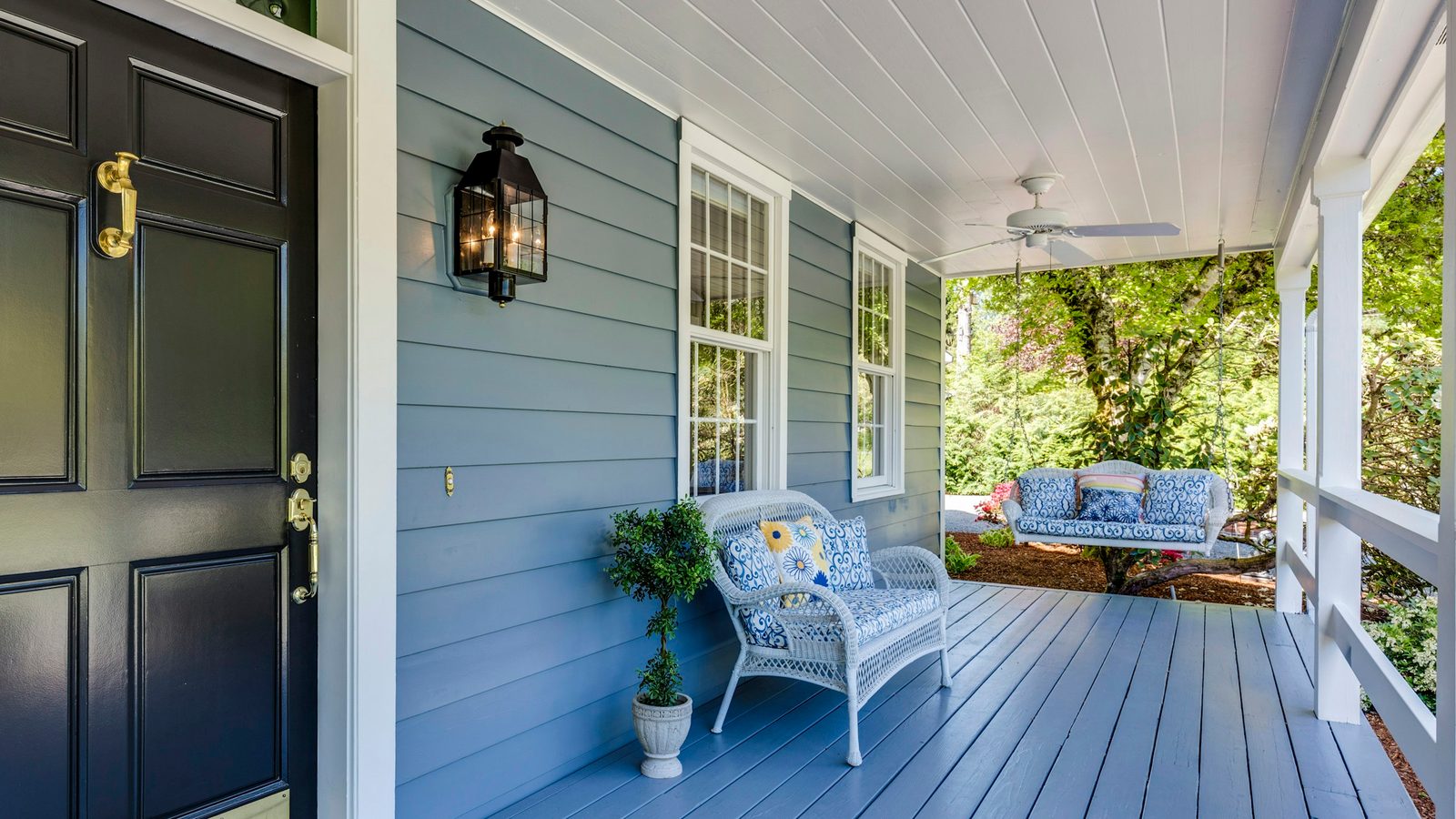
A lit drop, short for literature drop, means walking a neighborhood and leaving a printed piece at each door without knocking. Drop literature instead of knocking when you need to reach a large number of households quickly with a simple message, such as an election date, an event or an offer, and a conversation would add little. Knock when you need a conversation: to persuade, to record someone's answer, to respond to questions or to book an appointment.
You can also combine the two. Canvassers can knock at every door and leave literature where nobody answers, and a separate drop day can cover streets the team will not reach in person. Deciding which households get a knock and which get a drop is part of planning the whole effort, which our guide to planning and running a canvassing campaign covers step by step.
When a lit drop makes sense
- A reminder close to a date. Election Day, the start of early voting, a town hall, an open house or the end of a seasonal offer. The reader mainly needs the date.
- More doors than time. A drop moves faster than a canvass because nobody waits at the door. Example (planning assumption): a canvasser who knocks 15 doors an hour might drop literature at 40 to 60 doors an hour on compact streets. Time one hour on your own turf before you plan around any number.
- Streets you have already canvassed. A follow-up piece reminds people of a conversation they had, or reaches the households that were not home.
- Announcements for a business. A new service in the area, a job underway on the street or a seasonal offer can all go on a door hanger.
- Streets the team cannot staff. When the universe is larger than your volunteer hours, a drop gives the households you cannot knock at least one contact.
When to knock instead
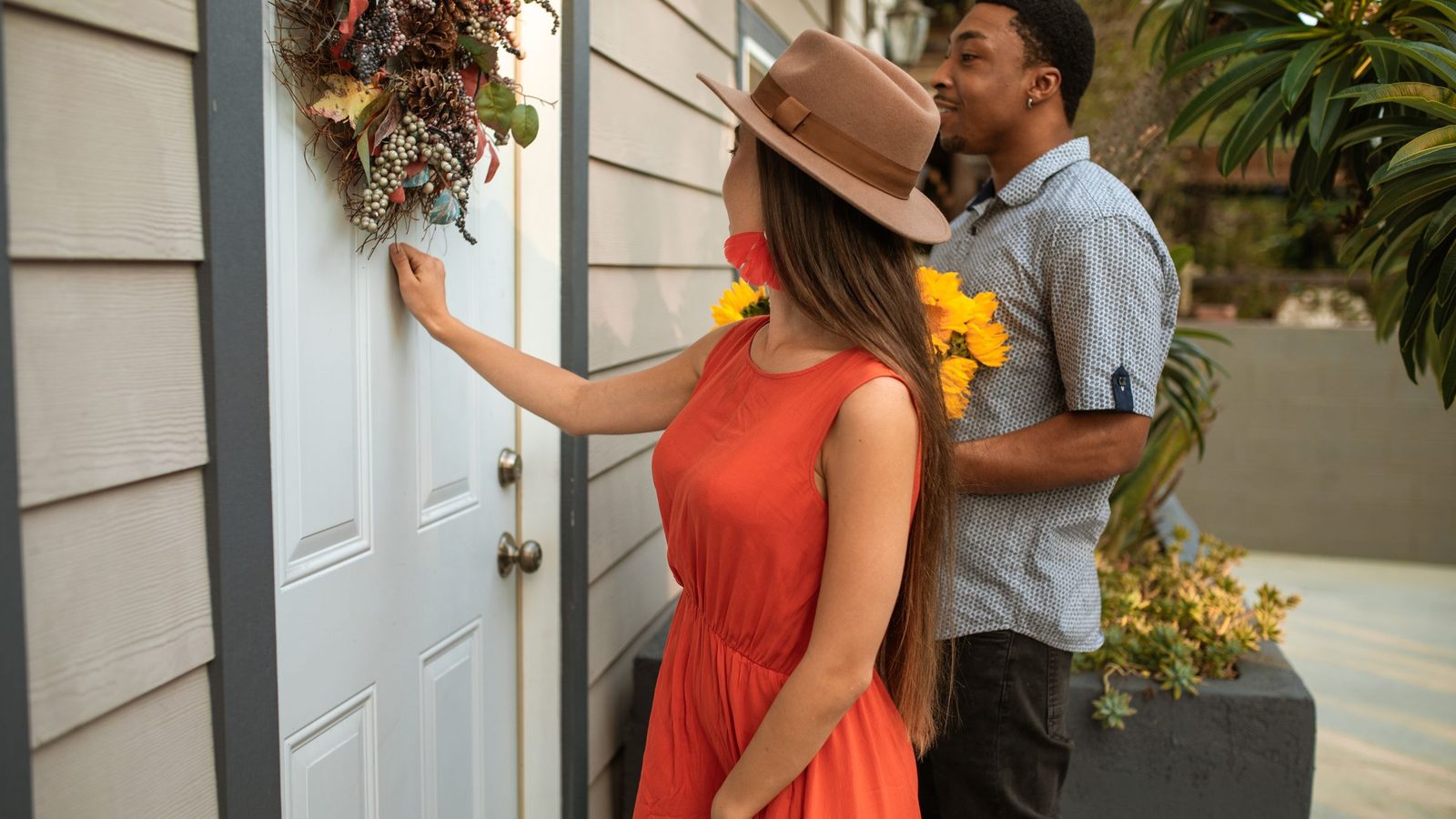
- Persuasion. A printed piece cannot answer a question or respond to a concern.
- Recording answers. If your goal depends on knowing who supports you or who wants a quote, you need the answer, and only a conversation gets it.
- Priority households. Undecided voters, warm leads and past customers deserve a knock.
- Sign-ups and pledges. A request to join, volunteer or pledge needs a person who can answer questions and record the yes.
- Permission to follow up. If you want to call or text someone later, ask them in person and record the answer.
Ways to combine knocking and dropping
- Knock, then leave a piece at not-home doors. The household still hears from you, and the canvasser records that literature was left.
- Drop first, knock later. A piece that arrives a week before the canvass introduces the candidate or company, so the knock that follows is less of a surprise.
- Knock the priority households and drop the rest. Split the universe by priority, and send your most experienced canvassers to the knocks.
- A final drop. In the last days before an election, a campaign can drop a reminder with the voting date at supporters' doors.
Where to leave literature, and where not to
Hang the piece on the door handle or knob, or wedge it firmly in the door frame where wind will not carry it off. Do not open a closed storm door to put a piece inside, and do not leave pieces loose on a step or porch, where they end up as litter.
Never put literature in or on a mailbox. Leaving literature in or on a mailbox is restricted by federal law (18 U.S.C. 1725), which covers material without postage placed in a mailbox approved by the Postal Service. Treat the rule as covering every printed piece you leave, whether campaign literature, a business flyer or a door hanger, and make it part of every drop briefing.
Local rules on leaving materials at homes and on soliciting differ from one city or county to the next. Our post on whether door-to-door canvassing is legal explains what to look for and whom to ask. As a courtesy, skip homes with a posted sign asking not to receive flyers, and walk on driveways and sidewalks rather than across lawns.
Planning a drop day

- Choose the households. Decide which streets or households get the piece, and which will get a knock instead.
- Count the pieces. Print enough for every household, plus a margin for damaged pieces and miscounts. Example (planning assumption): 2,000 households plus 10 percent is 2,200 pieces.
- Cut the turf. Drop turf can be larger than canvassing turf because the pace is faster. Example (planning assumption): at 50 doors an hour, a 2-hour drop shift covers about 100 doors. Size turf from your own test hour.
- Work in pairs. Put one person on each side of the street, so the pair finishes together and nobody walks alone.
- Design the piece. Keep to one message, one date or offer, and a clear way to reach you. Our door hanger templates include layouts and wording you can adapt.
- Record coverage. Mark every door that received a piece, so that no street is dropped twice and none is missed.
- Plan for weather. Rain ruins paper. In wet weather, use plastic door-hanger bags or move the drop to another day.
Lit drops for businesses
Door hanger marketing follows the same plan. Choose neighborhoods where the service fits, keep the piece to one offer, and leave it the same way: on the handle or knob, never in or on the mailbox. A notice to the neighbors around a job in progress, such as a roof replacement or a lawn treatment, gives the piece a reason to be read. To learn which drop produced a call, print a code or an offer specific to that drop on the piece and ask callers to mention it.
Running a lit drop in Beacon
Beacon has a campaign type for drop days and a door result for literature left at a door.
- Create a Literature Drop campaign. When you create the campaign, choose Literature Drop as the type. Sales organizations see this type as Collateral Drop, and nonprofits see it as Materials Drop.
- Draw and assign turf. Draw territories on the map sized to one drop shift, and assign each one to a pair. When canvassers download their walk lists, the stops are ordered by distance.
- Record each door. At each door, the canvasser records Left Literature (Left Collateral for sales organizations and Left Materials for nonprofits). The territory's completion percentage then shows how much of each turf has received the piece.
- Use it on knocking days too. On a regular door-knocking campaign, left literature is one of the eight door results, alongside contacted, not home, refused, moved, deceased, inaccessible and come back later. A canvasser who leaves a piece at a not-home door can record exactly that.
- Keep the record. Export the door results as a CSV file to keep a list of which households received which piece, and check the leaderboard and heat views of the results to see how the drop went.
Every Beacon plan includes unlimited canvassers, so adding drop volunteers does not change the price. More on Beacon for campaign field programs is on our political campaigns page.
Plan your next drop
Create a Literature Drop campaign, draw turf sized to one shift, and see which doors have the piece by the end of the day. Start a 14-day trial with the Starter plan's features. No card is required.