How to Invite People to Church at Christmas, Easter and More
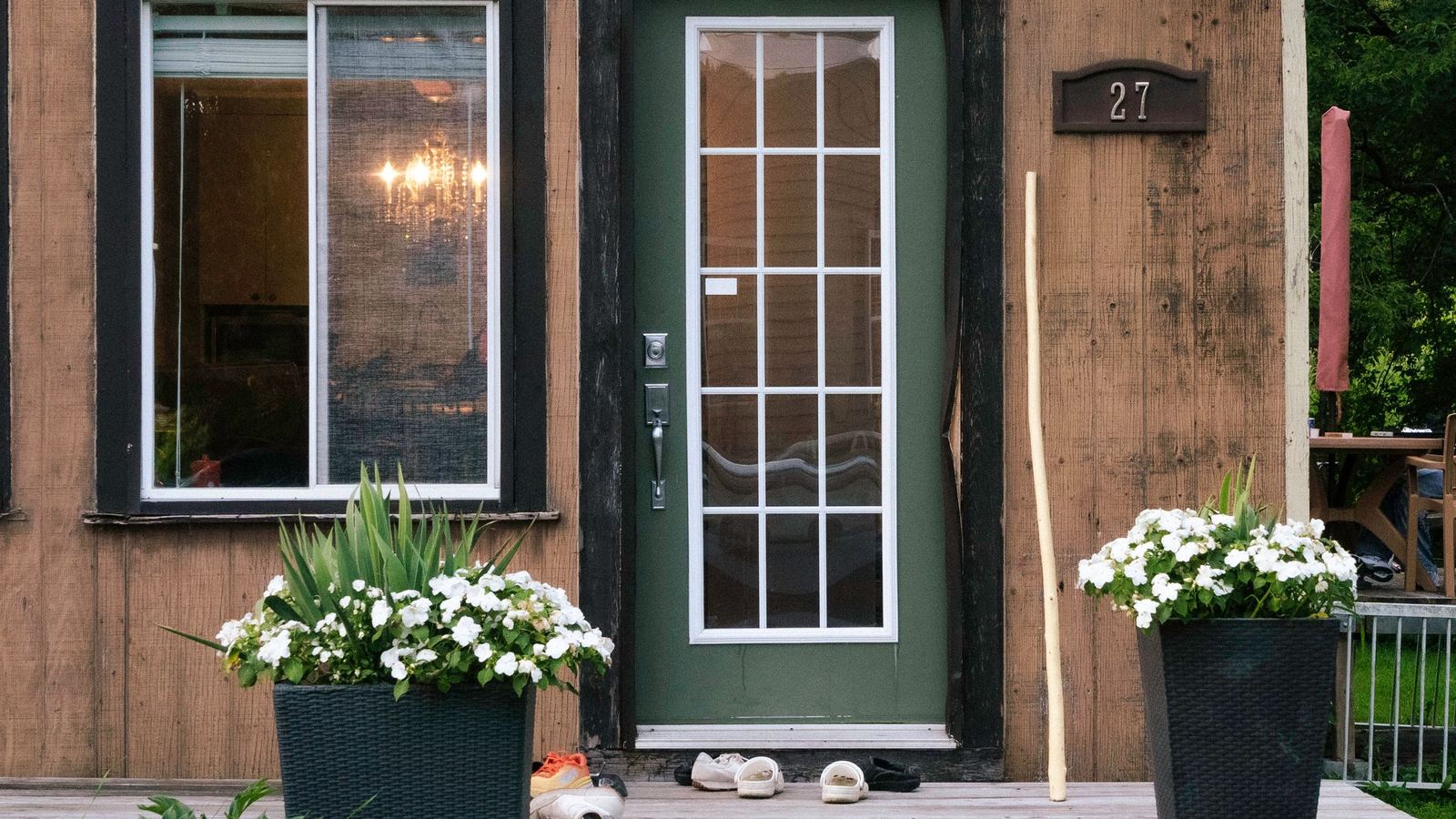
The simplest way to invite people to church is a personal invitation with the details in hand. A volunteer visits, says who they are, names the event, and leaves a card with the day, date, time and place and a line saying that everyone is welcome. Invite one to three weeks before the event, leave a card where nobody answers, and follow up only with neighbors who ask you to.
Christmas is the nearest occasion. Christmas Eve falls on Thursday, December 24, 2026, and Christmas Day on Friday, December 25, so a congregation that starts planning in early November has time to print cards, train volunteers and visit on the first three Saturdays of December. The steps below are written for churches, but they work for any congregation inviting neighbors to a holiday service, a festival or a shared meal, such as a Hanukkah candle lighting, a community Iftar during Ramadan or a Diwali celebration. They follow the same order as any door-to-door effort, which our guide to planning and running a canvassing campaign covers in more depth.
Why seasonal events make good invitations
A seasonal event is an easy invitation to give and an easy one to accept. It has a clear date, it is often planned with guests and families in mind, and a neighbor can come once and go home without any further commitment. That also keeps the visit simple, because the volunteer only needs to let a neighbor know that something good is happening nearby and that they are welcome.
Choose the events worth a visit

Choose one or two events for each round of visits. A card that lists six events is hard to read, and a volunteer cannot describe them all at the door.
- Christmas. A Christmas Eve service, a carol service, a children's pageant or a Christmas concert. If you hold more than one Christmas Eve service, invite neighbors to the one or two best suited to guests, such as an early family service.
- Easter. Easter Sunday falls on March 28, 2027, for churches that follow the Western calendar, with Palm Sunday on March 21 and Good Friday on March 26. Orthodox churches often celebrate Easter on a different date, so check your own church calendar.
- Vacation Bible school and summer programs. Parents need details well ahead of time: ages, dates, hours, cost and how to register.
- Community meals. A Thanksgiving dinner, a monthly free supper or a holiday meal invites everyone in the neighborhood, whatever their faith.
- Other occasions. A fall festival, a blessing of the animals, a back-to-school blessing or a holiday open house.
When to invite
As a starting point, visit one to three weeks before the event. An invitation much earlier than that is easy to forget, and one much later may arrive after families have made their holiday plans. For events that need registration, such as vacation Bible school, visit earlier, while families are still planning their summer.
Do not visit on the holiday itself or on the day of your event, when neighbors are busy with their own families and your volunteers are needed at the event.
| Event | Date | Visit days | Last call for cards |
|---|---|---|---|
| Christmas Eve and Christmas | Thursday, December 24, and Friday, December 25, 2026 | Saturday, December 5, and Saturday, December 12, 2026 | Saturday, December 19, 2026 |
| Easter (Western calendar) | Sunday, March 28, 2027 | Saturday, March 6, and Saturday, March 13, 2027 | Saturday, March 20, 2027 |
| Vacation Bible school | your summer dates | four to eight weeks before registration closes | one week before registration closes |
| Community meal | your date | one to two weeks before | the weekend before |
The visit days and last-call dates are planning suggestions. Adjust them to your own calendar and to the number of volunteers you have.
A Christmas plan for this year

- Week of November 9. Choose the services or events you will invite neighbors to, confirm the times, and order the cards. Ask your printer how long printing takes.
- Week of November 16. Recruit volunteers to visit in pairs, choose your areas, and check local rules on door-to-door visits.
- Sunday, November 22, or Sunday, November 29. Hold a one-hour training after a service. Practice the invitation aloud in pairs. November 29 is the first Sunday of Advent, which gives the visits a natural start.
- Saturday, December 5, and Saturday, December 12. Visit. Leave a card at every door where nobody answers.
- Saturday, December 19. Make a second pass to the doors where nobody answered, if you have the volunteers, and leave a card at each.
- Thursday, December 24, and Friday, December 25. No visits. Welcome your guests.
December daylight is short in most of the country, so plan visit sessions for late morning to midafternoon and finish before dark. Decide ahead of time when you will cancel for ice, snow or extreme cold, and tell volunteers before the first visit day. Our post on canvassing in bad weather covers weather plans and what to bring.
What to say when you invite
Keep the invitation short. Name yourself and your congregation, name the event, give the day and time, and hand over a card.
Hi, I'm [Name], and this is [Name]. We're from [Congregation] on [Street]. We're inviting our neighbors to our Christmas Eve service on Thursday, December 24, at [time]. Everyone is welcome, and this card has the details.
Hi, I'm [Name] from [Congregation], just down the street. We're hosting a free community dinner on [day and date] at [time]. Everyone in the neighborhood is welcome, and there's no cost. Here's a card with the address and parking.
Hi, I'm [Name] from [Congregation]. We're letting families know about our vacation Bible school for children ages [ages], from [dates]. It's [free / cost], and you can register at [website or phone]. This card has everything on it.
If a neighbor says they already belong to another congregation or another faith, thank them warmly and wish them a good holiday. If they say they are not interested, thank them and leave. If they ask not to be visited again, tell them you will make a note of it, and do.
Volunteers should not press for a promise to attend, ask why a neighbor does not go to church, or return to a door after a clear no. Once the invitation has been offered, the volunteer's work at that door is done.
Make the invitation easy to accept

A neighbor who has never been inside your building has practical questions. Answer them on the card and at the door:
- Where to park, and which entrance to use.
- Whether the building has an accessible entrance.
- Whether children are welcome in the service, and whether there is a nursery or a children's program.
- How long the service or event lasts.
- What people usually wear, if guests might wonder.
- Whether there is any cost, and whether to register or simply come.
Our guide to invitation card and door hanger wording has ready-to-copy text for Christmas, Easter, vacation Bible school and community meals.
Leave cards the right way
Hang the card on the doorknob or wedge it firmly in the door frame. Never put it in or on the mailbox. Leaving material without postage in a mailbox is restricted by federal law (18 U.S.C. 1725). In wet weather, use plastic door hanger bags to keep cards readable.
Skip every home with a "No Soliciting" sign or a sign asking visitors not to knock, and every home on your do-not-visit list. Local rules on door-to-door visits differ from one city or county to the next, and our post on whether door-to-door canvassing is legal explains what to look for and whom to ask.
Follow up only with neighbors who ask
Some neighbors will ask for more, such as the full holiday schedule or a reminder the day before. Record what they asked for, how they want to hear from you, and the date, and then send exactly that.
If a neighbor asks for a reminder by text, you can send it through a texting service such as CampaignCNX+, which is a separate product from Beacon. Text only people who have agreed to receive texts from your congregation. A friendly conversation at the door is not agreement by itself. Get the neighbor's agreement in writing, for example on a sign-up card or online form that says plainly that they agree to receive texts from your congregation, and record the date.
After the event, welcome the guests who came. If you would like to know whether the visits helped, ask guests at the event how they heard about it. Do not contact neighbors who did not ask to hear from you again.
Run seasonal invitations in Beacon

Beacon is a door-to-door canvassing app that volunteers open on their phones. Congregations choose Religious as the organization type when they sign up, and the app then uses the words Volunteers, Neighbors, Areas, Visit List and Visit Script.
- Create one campaign for each season, such as "Christmas Invitations 2026", with start and end dates that match your visit days.
- Draw your Areas on the map, sized to one visit session, and assign each one to a pair of volunteers.
- Put the invitation in the Visit Script. Type it into the campaign's Script box, including the event's day, date and time, so that every volunteer gives the same details at the door.
- Record every door. Volunteers download their Visit List, with the stops ordered by distance, and choose a result at each door: Contacted for a conversation, Left Invite when nobody answers and they leave a card, or Not Home when nobody answers and no card is left. Requests such as "wants reminder" or "do not visit again" go in Notes.
- Plan the second pass. Each area shows a completion percentage. On your last-call day, send volunteers back to the doors marked Left Invite or Not Home, where nobody answered the first time.
- Keep the record. Export the door results as a CSV file for the people handling follow-up. When the season ends, set the campaign to Completed and keep it, because its door history is the starting point for the next season's invitations.
Every plan includes unlimited volunteers, so inviting more of your congregation to help does not change the price. More on how Beacon supports congregations is on our religious organizations page.
Start planning for Christmas
Christmas Eve is about seven weeks away. Draw your first areas and test the visit screen with two or three volunteers this month, so the whole team is ready by the first Saturday of December. Start a 14-day trial with the Starter plan's features.