End-of-Campaign Canvassing Sprint: How to Maximize Your Final Days
The final 72 hours of a campaign are intense. Each contact matters more than it did a month earlier, because any door could produce the deciding vote. This is true for a political campaign approaching Election Day, a sales team working toward an end-of-quarter goal, or a nonprofit facing a petition deadline. The end-of-campaign sprint, the short period of maximum effort in the final days, is when your earlier preparation is put to use.
This guide explains how to plan and run a canvassing sprint that makes the most of your final days.
Planning the Sprint (One Week Out)
Define Your Sprint Target List
The sprint is not the time for broad outreach. Narrow your target list carefully:
For political campaigns:
- Identified supporters who haven't voted yet (your GOTV, or get-out-the-vote, list)
- High-priority persuadable voters you haven't reached
- Supporters who said they'd vote but have a history of not showing up
For sales teams:
- Warm leads, meaning prospects who expressed interest but haven't committed
- Appointments that need to be set before the deadline
- High-value prospects in territories with the most potential
Pre-Cut Every Turf
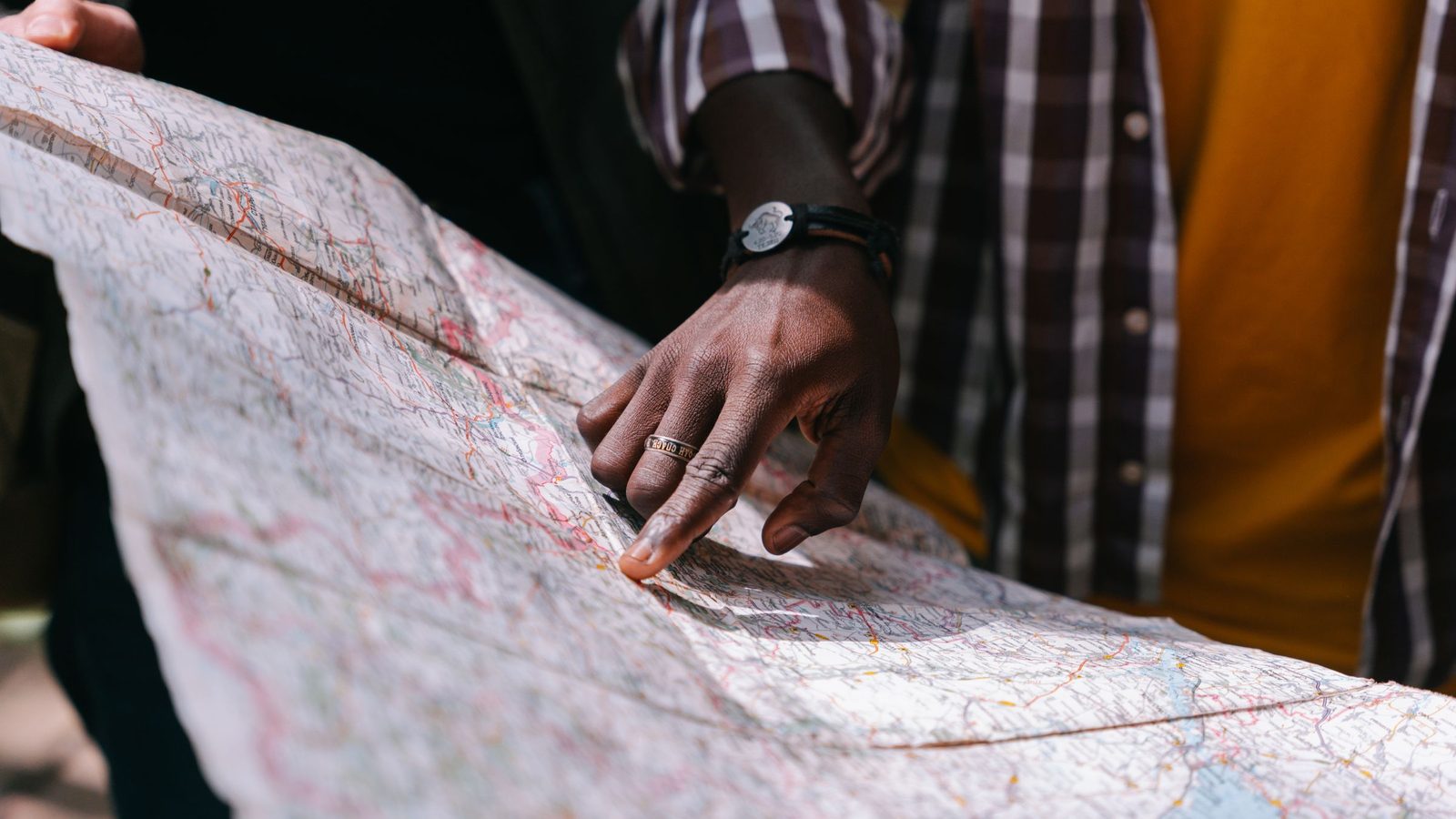
During the sprint, you cannot afford administrative delays. Every turf (the territory assigned to one canvasser) should be drawn, assigned, and loaded into your canvassing app before the sprint begins. When canvassers arrive, they should be knocking doors within 15 minutes.
Recruit and Schedule Aggressively
The sprint needs 3 to 5 times your normal canvassing capacity. Schedule every available person. For campaigns, this means calling in every volunteer who has ever shown interest. For sales teams, it means bringing in managers, support staff, and anyone who can knock doors.
Expect more no-shows, because many of the people you schedule are not regular canvassers. Schedule extra people to make up for this.
Sprint Operations Structure
Extended Hours
During the sprint, expand your canvassing hours. Run morning, afternoon, and evening shifts. On the final day (Election Day for campaigns), start as early as legally permitted and continue until the last possible moment.
For a general overview, read voter contact from file to GOTV.
Multiple Staging Locations
If your operation covers a large area, set up several staging locations (places where canvassers meet and receive assignments) to reduce travel time. Each location should be fully equipped: charged devices, printed backup materials, snacks, water, and a coordinator who can assign turfs and solve problems.
Real-Time Coordination
During the sprint, coordination between teams is critical. Use Beacon's real-time dashboards to monitor all teams at the same time:
- Which territories are being canvassed right now?
- Which areas need more coverage?
- Which canvassers have finished their turfs and can be reassigned?
- What's the overall contact count and how does it compare to the goal?
Assign a coordinator whose only job during the sprint is watching the dashboard and deciding where to send people.
Sprint Canvassing Tactics
Speed Over Depth
During the sprint, shift from long conversations to short contacts with as many people as possible. For GOTV, conversations should last 30 to 60 seconds:
- "Hi [Name], I'm reminding you that Election Day is [date]."
- "Your polling place is [location], open [hours]."
- "Can we count on you to vote [today/tomorrow]?"
- "Do you need help getting to the polls?"
For sales sprints, focus on booking appointments rather than giving full presentations at the door. Get the commitment at the door, and give the presentation at the appointment.
Set Clear Priorities
Not every door deserves equal effort during the sprint. Skip low-priority targets if it means reaching high-priority ones. If someone isn't home after one knock, leave a door hanger and move on. Do not return several times for low-priority contacts.
Add Other Forms of Outreach
Supplement door-to-door canvassing with other outreach during the sprint:
- Text messages to supporters you can't reach in person
- Phone calls to high-priority targets who weren't home
- Door hangers at every door where no one is home, for residents to read when they return
Managing Sprint Energy
Maintain Morale
Sprints are tiring, so keep energy high by:
- Providing food and drinks at every staging location so no one canvasses hungry
- Setting hourly goals and celebrating when they're met
- Playing music between shifts
- Having leaders present and energized at every staging location
- Sharing progress as it happens, for example: "We've knocked 5,000 doors today. Only 2,000 to go."
Prevent Burnout
Sprints push people hard. Prevent exhaustion by:
- Limiting individual shifts to 3 to 4 hours during multi-day sprints
- Requiring breaks between shifts
- Watching for signs of exhaustion and sending people home if needed
- Having enough people that no one has to work every single shift
Save Energy for the Final Day
Avoid using up your team's energy too early. In a 72-hour sprint, the most important day is the last one, so plan shifts so your team is at full strength on that day.
Election Day Operations
For political campaigns, Election Day is the most intense part of the sprint. Structure the day carefully:
Morning Shift (Polls Open to Noon)
Reach voters who are likely to vote before work or during the morning. Send your most reliable canvassers, because a missed morning shift cannot be made up later.
Afternoon Shift (Noon to 5 PM)
Focus on voters who haven't been reached yet. Get voter check-off data (records of who has voted, available in many jurisdictions) to see which supporters have already voted. Remove them from your lists and send canvassers to those who haven't.
Evening Shift (5 PM to Polls Close)
This is the final push. Every identified supporter who still hasn't voted needs to hear from you, so use every available person. On the Growth plan and up, use Beacon's real-time tracking to direct canvassers to the precise addresses of supporters who haven't yet voted.
Post-Sprint: Capture What You Learned
After the sprint ends, win or lose, capture the lessons while they're fresh:
- What worked well in the sprint structure?
- Where did coordination break down?
- Which territories produced the best results?
- What would you do differently next time?
Write everything down. A detailed review of the sprint will be very useful in your next campaign or sales season.
The final days show how well a canvassing program has been built. The systems you have set up, the canvassers you have trained, and the territories you have mapped are all put to use in the sprint. With Beacon coordinating your field teams in real time, you can run a sprint that reaches every target, covers every territory, and knocks every remaining door.
Beacon supports this work with coverage reporting for the final push.