The Best Time to Knock on Doors, for Campaigns and Sales

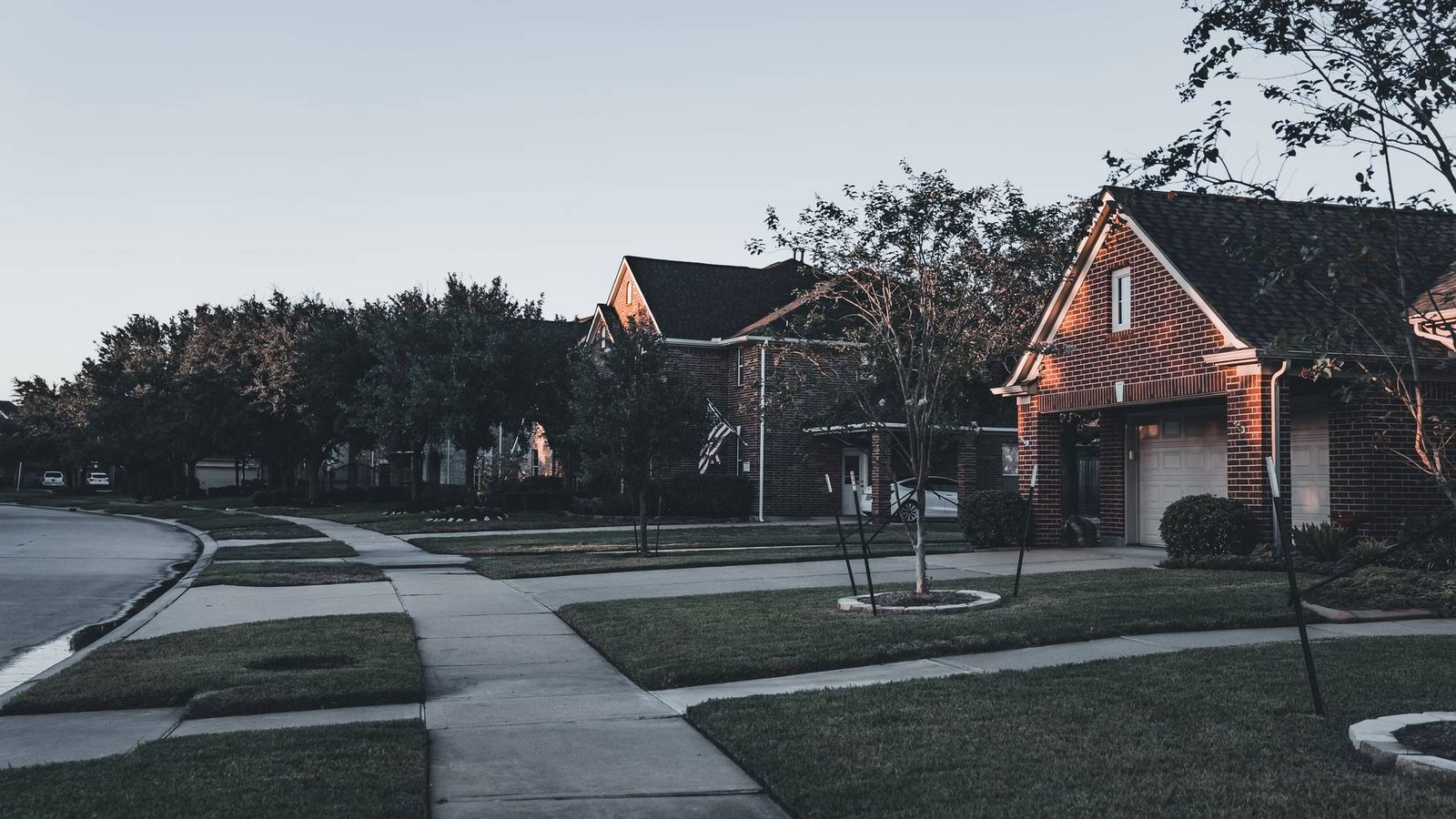
The best time to knock on doors is when the people on your list are likely to be home, awake and not in a hurry, and when there is enough daylight for canvassers to work safely. For many residential neighborhoods, that means weekday early evenings, after the workday and before dark, and weekend late mornings and afternoons. Local rules can narrow those windows, because many towns set hours for door-to-door soliciting, so check what applies where you work before you build a schedule.
No single hour is best for every street. The right time depends on who lives there, the season, and whether you are asking for a vote or making a sale. This guide explains the reasoning so you can choose times for your own list, with separate notes for campaigns and for sales teams. It is part of our guide to planning and running a canvassing campaign.
Start with who is likely to be home
Think about the households on your list before you think about the clock.
- Adults with weekday jobs are usually away during working hours. Evenings and weekends are the realistic times to reach them.
- Retirees are more likely to be home during the day, and a daytime visit may suit them better than one near dinner or after dark.
- Families with young children are often busy around dinner and bedtime. A weekend afternoon may be a better time to reach them.
- Shift workers, such as nurses, factory workers and restaurant staff, keep schedules that do not follow the usual pattern. A return visit at a different time of day gives you a second chance with them.
- Apartment and condominium buildings may limit when visitors can enter, or whether they can enter at all. Check the building's rules and plan those doors separately.
Your own records are the best guide. If a street produces mostly "not home" results on weekday evenings, try it on a Saturday before you move on.
Daylight and safety

Plan every shift to end before dark. After dark, canvassers have a harder time seeing steps, dogs and uneven ground, and residents are less comfortable opening the door to someone they do not know.
Check the local sunset time when you set shift hours, because it changes through the year. After the clocks change in the fall, a weekday evening shift may last only an hour or so before dark, so weekend daytime shifts need to carry more of the work. In summer, long evenings make weekday shifts easier, but midday heat can make early afternoon the hardest time to walk. Our post on canvassing in bad weather covers heat, cold and rain.
A few safety habits belong in any schedule. Canvass in pairs where you can, tell a coordinator which streets you are walking and when you expect to finish, carry a charged phone, and stay outside the home.
Check local soliciting-hour rules
Many cities, villages and counties have ordinances on door-to-door soliciting, and some of those rules set the hours when visits are allowed. Whether a rule applies to you can depend on what you are doing: selling, asking for donations, or talking with residents about an election or an issue. Rules differ from town to town, so confirm the ones that apply to you before you schedule.
Call the city or village clerk, or read the local code, before your first shift. Our post on whether door-to-door canvassing is legal explains how political canvassing and sales are treated differently and how to check the rules where you work. Treat "No Soliciting" signs with respect as well. Many programs skip those doors as a matter of policy.
Times to avoid
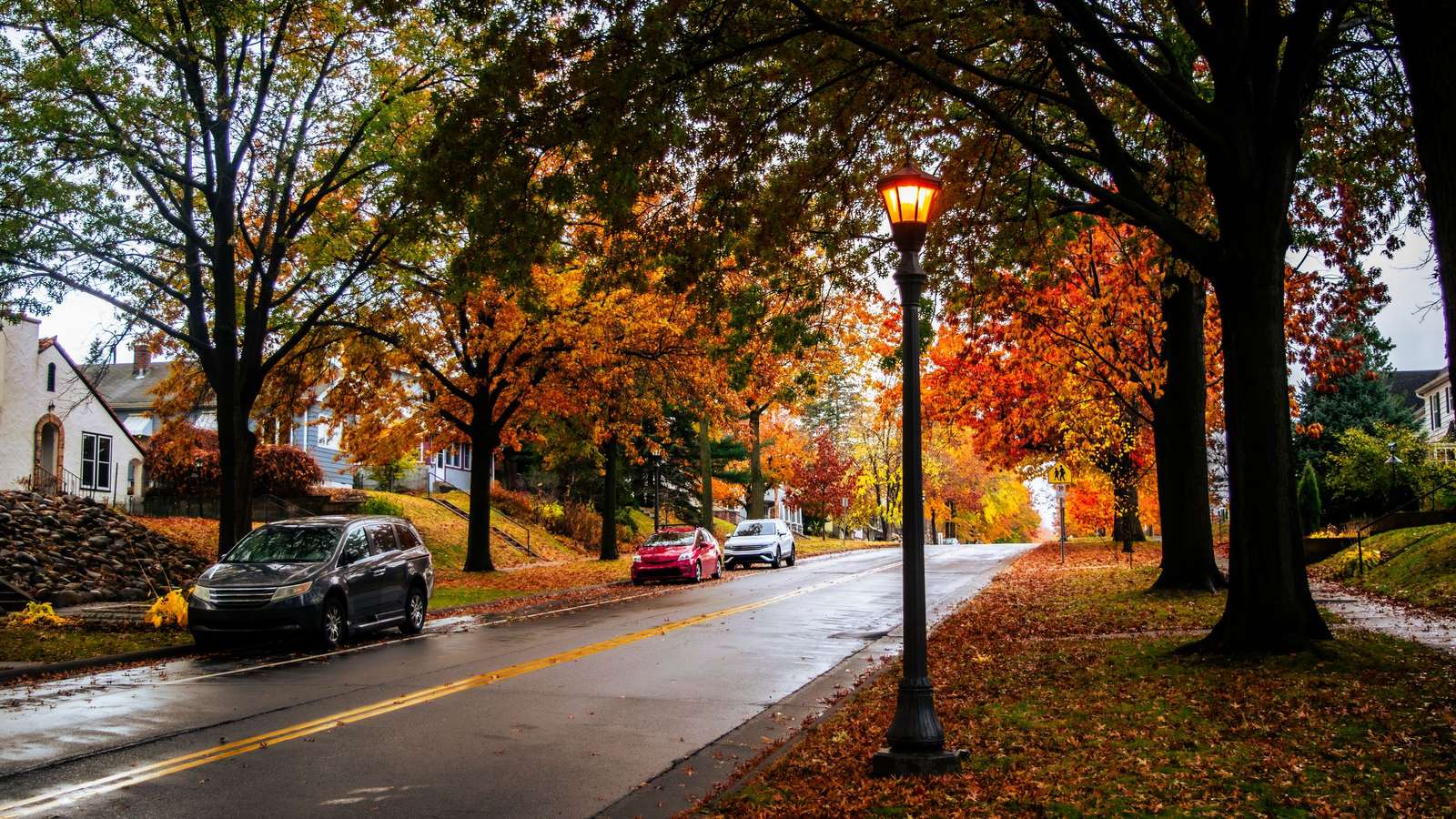
These times usually produce few conversations, or conversations with residents who would rather not be interrupted:
- Early mornings, especially on weekends, when people are sleeping in or getting ready for the day.
- The usual dinner hour, when a knock interrupts a meal. A short break in the schedule around that time can help.
- After dark, for the safety and courtesy reasons above.
- Major holidays and large local events, such as a big game or a community festival, when people are away or busy.
- Severe weather, for the canvassers' safety.
A schedule for campaigns
A campaign wants conversations with voters, often more than once before Election Day. A volunteer program also has to fit the times when volunteers themselves are free, which is one reason weekends are the center of many volunteer schedules.
Example only. Adjust this for your local rules, the sunset time and your volunteers' availability:
- Saturday: two shifts, one in the late morning and one in the afternoon, each about two to three hours long.
- Sunday: one afternoon shift.
- Two weekday evenings: one shorter shift each, from the end of the workday until shortly before dark.
Within that schedule, a few habits help. Send a second pass to "not home" doors at a different time of day from the first. As Election Day approaches, shift the focus to reminding supporters to vote, including during early voting where your state offers it. Our field plan guide shows how to work out how many shifts you need to cover your doors.
A schedule for sales teams
Door-to-door sales usually needs the person who makes the household's buying decisions, and sometimes two people who decide together. That makes evenings and weekends, when both are more likely to be home, the main selling times for many home products and services.
Sales visits are also more likely than political or charitable canvassing to be covered by local permit and hour rules, so confirm what applies before you plan a schedule.
Example only. Adjust this for your local rules, your product and the season:
- Weekdays: a block from late afternoon into the early evening, ending before dark.
- Saturdays: a block from late morning through the afternoon.
- Appointments: when a resident is interested but busy, or only one decision maker is home, agree on a specific time to come back.
The season matters as well. Homeowners tend to think about a service when they can see the need for it, such as lawn care in spring or a heating check before winter, so plan your busiest weeks to match. For the rest of your sales program, see our page on door-to-door sales software.
Find your own best times in Beacon
General patterns are a starting point, and your own results show when people on your streets actually answer the door. In Beacon, a door-to-door canvassing app that canvassers open on their phones, the steps are:
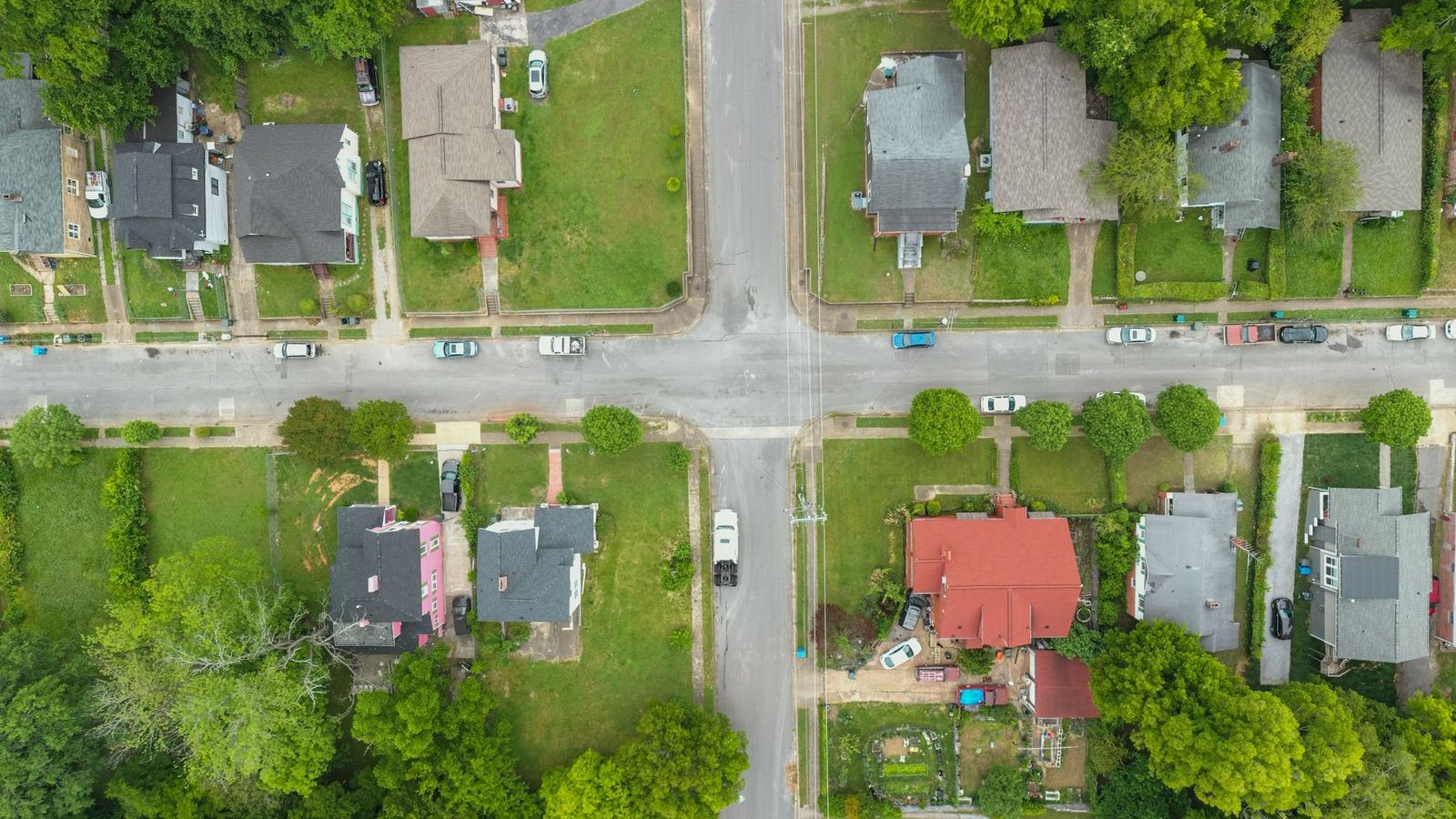
- Split your area into turf. Turf is a set of streets that one canvasser or salesperson covers. Draw it on the map and assign it.
- Send walk lists in order. When a canvasser downloads a walk list (the list of doors to visit), the stops are in walking order by distance.
- Record "not home" and "come back later" accurately. Beacon has eight door result codes, including those two, plus a 1 to 5 rating and notes. When a resident names a better time to return, write it in the note.
- Compare similar turfs worked at different times. Work one turf on a weekday evening and a similar one on a Saturday afternoon, then compare the share of doors marked "contacted" in each. Turf completion percentages and heat views of the results show where conversations are happening.
- Keep track of canvassers as daylight runs short. On the Growth plan and up, coordinators can see canvassers' live GPS locations. On every plan, a canvasser who walks outside their turf sees a warning on their own phone.
- Export the results. Download door results as CSV or PDF and review them at the end of each week.
Common questions
What time is too late to knock on doors?
After dark is usually too late, for both safety and courtesy. Your town may also set a specific cutoff for soliciting, so check with the clerk before you plan evening shifts.
Is Sunday a good day to knock on doors?
Sunday afternoons often find people at home. Some households prefer not to have visitors on a day of worship or rest, so keep visits short and polite, and check whether your local rules say anything about Sundays.
What is the best time to knock on doors in winter?
With short days, put most shifts on weekend late mornings and early afternoons, and keep weekday shifts short enough to end before dark.
How many times should you knock on the same door?
Plan at least one return visit, at a different time of day, to doors where nobody answered. Stop visiting any household that asks you not to come back, and record the request so nobody else on your team knocks there again.
Pick your times and test them
Choose two or three time blocks, try them on similar streets, and keep the ones that produce the most conversations. Try Beacon free for 14 days to record every door result from your first shift. The trial includes the Starter plan's features, and no card is required.